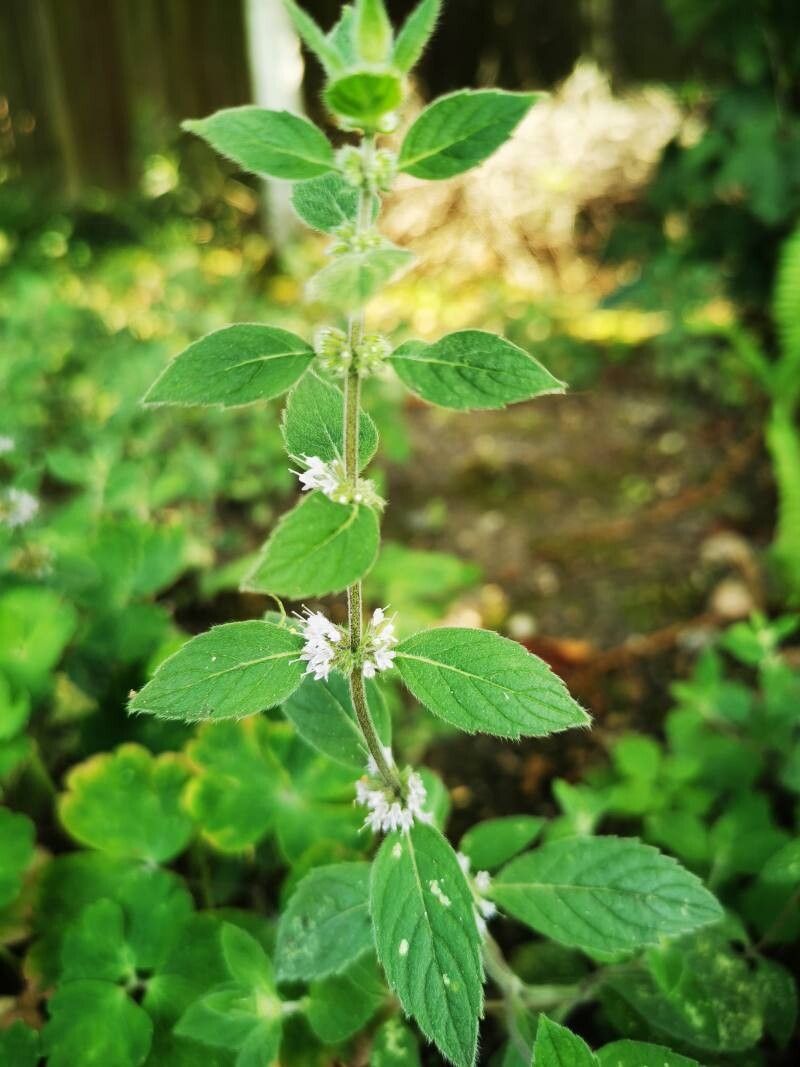
Hey there, fellow garden enthusiasts! It’s so good to connect with you today. If you’re anything like me, you love having a constant supply of fragrant herbs around, and Mentha arvensis, or field mint, is a particularly delightful one. Its bright, zesty scent is just incredible, perfect for teas, cooking, or just making your garden smell divine. Plus, propagating mint is one of those truly rewarding gardening activities. You start with a little piece, and before you know it, you’ve got a whole new plant! And the best part? If you’re new to gardening, you’ll be happy to hear that Mentha arvensis is wonderfully easy to propagate. It’s a fantastic choice for your first go at this!
The Best Time to Start
For the highest success rate with your mint propagation, aim for late spring to early summer. This is when the plant is actively growing and has plenty of energy to put into developing new roots. You want to be working with nice, healthy stems that aren’t too old or woody.
Supplies You’ll Need
Here’s what you’ll want to have on hand:
- Sharp pruning shears or scissors: Cleanliness is key to preventing disease.
- A good potting mix: I prefer a light, well-draining mix. A standard potting soil with some added perlite or vermiculite works wonders.
- Small pots or containers: Yogurt cups with drainage holes poked in the bottom work great for starting out!
- Watering can or spray bottle: For gentle watering.
- Rooting hormone (optional but recommended): This can give your cuttings a helpful boost.
- A clear plastic bag or propagator lid: To create a humid environment.
Propagation Methods
There are a few tried-and-true ways to get your Mentha arvensis going. I’ll walk you through the ones I use most often.
Stem Cuttings
This is my go-to method for mint!
- Select healthy stems: Look for vibrant, non-flowering stems that are about 4-6 inches long.
- Make your cuts: Using your clean shears, cut just below a leaf node (where a leaf attaches to the stem). This is where roots love to form.
- Prepare the cuttings: Gently remove the leaves from the bottom two-thirds of the stem. You want to expose those nodes.
- Apply rooting hormone (optional): Dip the cut end into your rooting hormone if you’re using it.
- Plant the cuttings: Stick the prepared cuttings into your moist potting mix, making sure at least a couple of leaf nodes are buried. Gently firm the soil around them.
- Create humidity: Water gently, then cover the pots with a clear plastic bag or propagator lid. You want to create a mini greenhouse effect.
Water Propagation
This is a super satisfying method because you can watch the roots grow!
- Take cuttings: Follow steps 1 and 2 from the stem cutting method.
- Remove lower leaves: Just like with soil cuttings, strip the leaves off the bottom half of the stem.
- Place in water: Pop the cuttings into a jar or glass of clean water. Make sure no leaves are submerged in the water; they’ll just rot and can take your whole cutting down with them.
- Change water regularly: Change the water every few days to keep it fresh and oxygenated.
- Wait for roots: Within a couple of weeks, you should start seeing tiny white roots emerge from the submerged nodes.
- Transplant: Once the roots are about an inch long, carefully transplant them into pots with your potting mix.
Division
If you already have a mature mint plant, division is a breeze.
- Dig up the plant: In spring or fall, carefully dig up your established mint plant.
- Gently divide the roots: With your hands or a trowel, gently pull the root ball apart into smaller sections. Each section should have healthy roots and some leafy shoots.
- Replant: Plant the divided sections directly back into the ground or into new pots. Water them well.
The “Secret Sauce” (Pro Tips)
Over the years, I’ve picked up a few tricks that really make a difference.
- Don’t be afraid to be a little ruthless with your cuttings. Sometimes, trimming off the very tip of the stem can encourage branching and more vigorous growth.
- If you’re using the water propagation method, don’t let those leaves touch the water. Seriously, this is a big one. Submerged leaves are a recipe for mushy disaster.
- For cuttings tucked into soil, bottom heat is your friend. If you can place your pots on a gentle heat mat (designed for seedlings), it will encourage roots to form much faster.
Aftercare & Troubleshooting
Once your cuttings have rooted (you’ll see new leaf growth!), it’s time to transition them.
For soil-propagated cuttings: Gradually remove the plastic bag over a few days to help them acclimatize to drier air. Continue to keep the soil consistently moist but not soggy.
For water-propagated cuttings: Once transplanted, water them thoroughly. They might look a little shocked for a day or two, but they’ll bounce back. Keep the soil moist for the first week or two.
The most common problem you might encounter is rot. This usually happens if the soil is too wet or if leaves are left to sit in water. If you see a cutting turning black or mushy, unfortunately, it’s best to discard it and try again. Don’t get discouraged! Learning what your plants like is part of the fun.
A Little Encouragement
Propagating Mentha arvensis is a delightful journey. Be patient with your little green babies, observe them closely, and don’t be afraid to experiment. There’s such a joy in nurturing something from a tiny cutting into a thriving plant. Happy gardening, everyone!
Resource:
https://identify.plantnet.org/k-world-flora/species/Mentha%20arvensis%20L./data