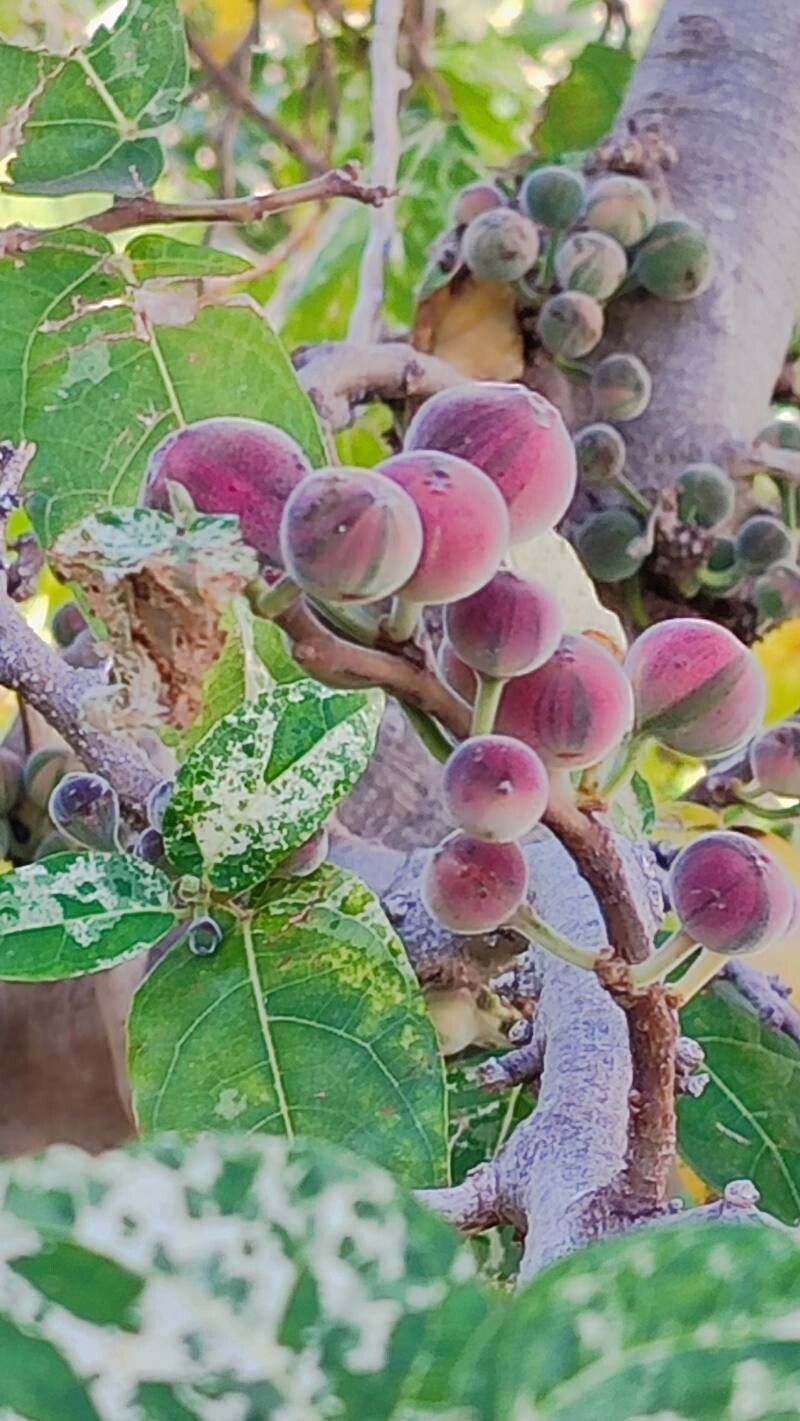
Oh, hello there! It’s so lovely to have you join me in the garden today. We’re going to dive into something truly special – propagating the Ficus aspera. This isn’t just any ficus; it’s a real charmer with its wonderfully textured, often speckled leaves. Watching a new little plant emerge from a tiny cutting is one of the most satisfying things a gardener can do. It’s like unlocking a little bit of nature’s magic, right in your home! And the Ficus aspera, thankfully, is quite willing to share its secrets, making it a very rewarding plant for beginners to try their hand at.
The Best Time to Start
When it comes to getting those new Ficus aspera babies going, spring and early summer are your golden windows. This is when the plant is actively growing, full of energy, and just raring to put out new roots. Think of it as the plant’s prime growing season – perfect for cuttings to take hold and flourish. While you can sometimes get away with it at other times, you’ll see the best results when you align your propagation efforts with its natural rhythm.
Supplies You’ll Need
Gathering your supplies before you start makes the whole process so much smoother. Here’s what I usually have on hand:
- Sharp Pruning Shears or a Clean Knife: Essential for making clean cuts. Dirty tools can introduce disease.
- Rooting Hormone Powder (Optional but Recommended): This gives cuttings a little boost and can significantly increase your success rate. Look for one with IBA (Indole-3-butyric acid).
- Well-Draining Potting Mix: I like a mix of peat moss, perlite, and a little bit of compost. A good quality houseplant mix with extra perlite stirred in works well too!
- Small Pots or Propagation Trays: Whatever you choose, make sure they have drainage holes.
- Clear Plastic Bag or Dome: To maintain humidity around your cuttings.
- Spray Bottle: For misting.
- Watering Can: For gentle watering.
Propagation Methods
The Ficus aspera is pretty adaptable, and I’ve found success with a couple of straightforward methods. Let’s get our hands dirty!
Stem Cuttings: The Classic Approach
This is my go-to for Ficus aspera. It’s reliable and you can get multiple plants from a single mother plant.
- Select Your Cuttings: Look for healthy, non-flowering stems from your mature Ficus aspera. You want stems that are firm but not woody – think of a pencil-thick stem.
- Make the Cut: Using your clean shears or knife, cut a section of stem about 4-6 inches long. Make sure to cut just below a leaf node (where a leaf attaches to the stem). These nodes are where roots are most likely to form.
- Prepare the Cutting: Gently remove the lower leaves, leaving just one or two at the top. If the remaining leaves are very large, you can cut them in half lengthwise to reduce water loss.
- Apply Rooting Hormone (If Using): Dip the cut end of the stem into the rooting hormone powder, tapping off any excess.
- Plant Your Cuttings: Fill your small pot or tray with your well-draining potting mix and moisten it. Make a small hole with your finger or a pencil, and insert the cutting, ensuring the leaf nodes are buried. Gently firm the soil around the stem.
- Create a Humid Environment: Water the soil lightly. Then, cover the pot with a clear plastic bag (you can use a skewer or two to keep it from touching the leaves) or a propagation dome. This will trap moisture and create a mini-greenhouse.
- Place in Bright, Indirect Light: Find a warm spot that receives bright, indirect light. Avoid direct sunlight, which can scorch the leaves and overheat the pot.
Water Propagation: The See-Through Method
If you love watching roots develop, this is a fun way to go.
- Take Your Cuttings: Follow steps 1-3 from the stem cutting method.
- Place in Water: Fill a small jar or glass with clean, room-temperature water. Submerge the cut end of the stem in the water, making sure no leaves are touching the water surface (this can cause them to rot).
- Find the Right Spot: Place your jar in a location with bright, indirect light.
- Change the Water Regularly: This is crucial! Change the water every 2-3 days to keep it fresh and prevent bacterial growth.
- Observe Root Development: You should start seeing tiny white roots emerging from the leaf nodes in a few weeks.
The “Secret Sauce” (Pro Tips)
Here are a couple of tricks I’ve picked up over the years that really can make a difference:
- Don’t Let the Leaves Touch the Water: Seriously, I can’t stress this enough if you’re water propagating. Any leaf submerged will eventually turn slimy and die, which can infect the whole cutting. Always ensure your foliage is up in the air!
- Bottom Heat is Your Friend: For stem cuttings, placing your pots on a seedling heat mat can be a game-changer. It encourages root development by keeping the soil consistently warm, even if the air temperature fluctuates a bit.
Aftercare & Troubleshooting
Once you see new growth or a good set of roots (about an inch or two long for water propagation, or when you feel resistance when gently tugging a stem cutting), it’s time to move them to their own small pots if they weren’t already there. Continue to keep the soil consistently moist but not soggy. Mist the leaves occasionally, especially if your environment is dry.
The most common issue you’ll encounter is rot. If your cutting turns black and mushy, it’s usually due to too much moisture and not enough air circulation, or using dirty tools. If you see this happening, try to remove the affected part immediately and ensure your soil is draining well. Another sign of failure is if the leaves start to wilt and dry up without any signs of root development – this could mean the cutting is too dry or not getting enough light.
A Encouraging Closing
Propagating plants is an exercise in patience and observation, and it’s so incredibly rewarding. Don’t get discouraged if your first attempt isn’t a roaring success. Every cutting is a learning opportunity. Keep trying, keep watching, and before you know it, you’ll have a whole little jungle of Ficus aspera to call your own. Enjoy the journey!
Resource:
https://identify.plantnet.org/k-world-flora/species/Ficus%20aspera%20G.Forst./data