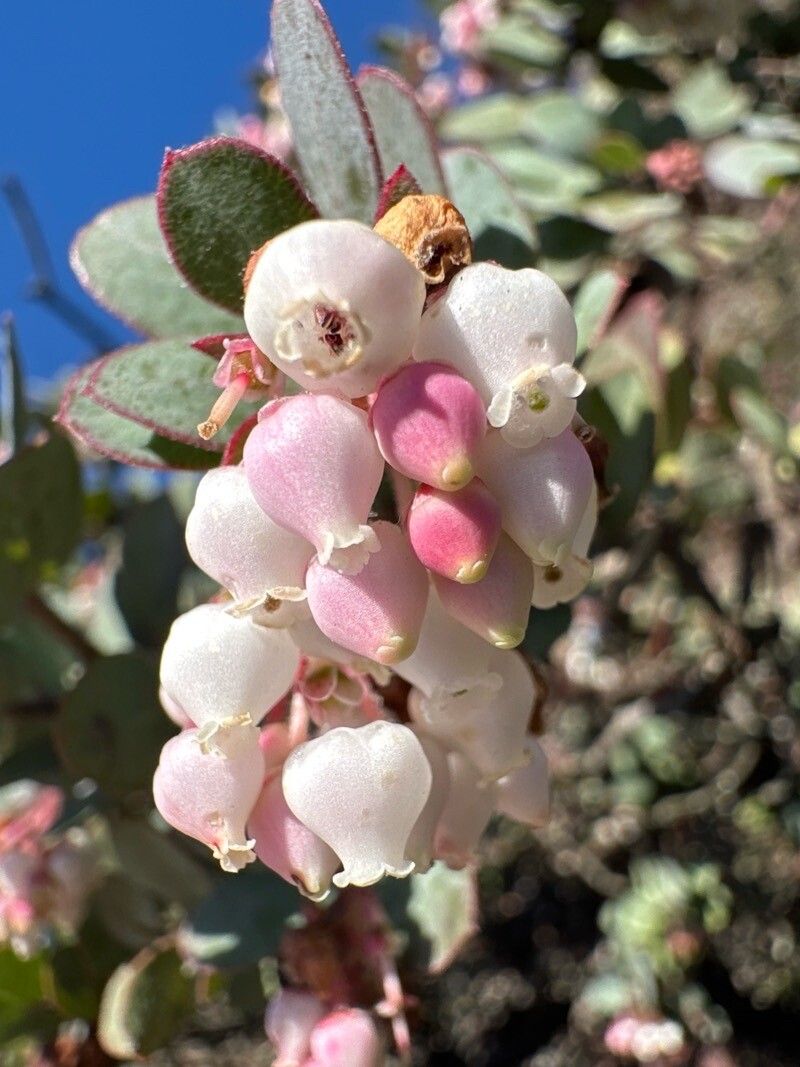
Oh, Arctostaphylos canescens! You know, the Hoary Manzanita? It’s just one of those plants that brings a certain elegance to the garden, don’t you think? With its lovely silvery-gray foliage and delicate pinkish-white flowers that appear in late winter or early spring, it’s a real beauty. Plus, the smooth, reddish bark on mature plants is just stunning.
Now, if you’re looking to fill your garden with more of these gems, or maybe share them with fellow plant lovers, propagating them yourself is wonderfully rewarding. And I’ll be honest, Arctostaphylos canescens can be a little bit of a diva when it comes to propagation. It’s not the absolute easiest plant for a complete beginner, but with a bit of care and patience, you can absolutely succeed. Think of it as a rewarding challenge!
The Best Time to Start
For stem cuttings, the sweet spot is really late spring to early summer. This is when the plant has put on new growth, and those stems are partially mature – they call it “semi-hardwood.” They’re not super floppy and green, but they aren’t woody and old either. That in-between stage is perfect for rooting. If you try too early, the stems might be too soft and prone to rot. Too late, and they might be too tough to root easily.
Supplies You’ll Need
Here’s what you’ll want to have on hand:
- Sharp, clean pruning shears or a sharp knife: For making clean cuts.
- Rooting hormone powder or gel: This is really helpful for encouraging root development. I usually opt for a powder, but a gel works just as well.
- A well-draining potting mix: This is crucial! A good blend usually involves equal parts perlite, coarse sand, and peat moss or coco coir. You want something that dries out relatively quickly.
- Small pots or a propagation tray: Make sure they have drainage holes.
- A plastic bag or humidity dome: To keep the moisture levels high around your cuttings.
- A spray bottle: For misting.
- Optional: Bottom heat mat: This can significantly speed up the rooting process, especially if your propagating space is a bit cool.
Propagation Methods
The most reliable method for Arctostaphylos canescens is stem cuttings. Here’s how I do it:
- Take Your Cuttings: On a cool, overcast morning, select healthy, current-season stems that are about 4-6 inches long. Make your cut just below a leaf node (where a leaf attaches to the stem). Remove the lower leaves, leaving just a few at the top. You can even take a “heel” cutting, which is a small piece of older wood attached to the base of your cutting – this can sometimes boost rooting.
- Prepare the Cuttings: Lightly wound the bottom half-inch of the stem. Dip the cut end into your rooting hormone, tapping off any excess.
- Plant Your Cuttings: Fill your small pots or tray with the well-draining mix. Make a small hole with your finger or a pencil. Insert the prepared end of the cutting into the hole, and gently firm the soil around it. Make sure no leaves are touching the soil surface – this helps prevent rot.
- Create a Humid Environment: Water the soil gently. Then, cover the pot or tray with a plastic bag or a humidity dome. If you’re using a bag, you might want to prop it up with stakes so it doesn’t droop onto your cuttings.
The “Secret Sauce” (Pro Tips)
This is where a little experience really makes a difference!
- Absolutely No Waterlogging! Manzanitas, especially, hate sitting in soggy soil. They’ll rot quicker than you can say “root rot.” That’s why that gritty, well-draining mix is non-negotiable. If you’re unsure about your mix, err on the side of even more perlite. And when you water, water thoroughly, then let it dry out considerably before watering again. Feel the weight of the pot – it’s a great indicator.
- Bottom Heat is a Game Changer: If you can swing it, a small bottom heat mat set to around 70-75°F (21-24°C) will dramatically improve your success rate. It encourages root formation from the bottom up, mimicking ideal soil temperatures and giving those little root initials a real boost before the foliage even starts taking off.
- The Air Circulation Trick: Just having a plastic bag over your cuttings can sometimes lead to stale air. Once or twice a day, open the humidity dome or bag for a few minutes to allow for some air exchange. This helps prevent fungal issues.
Aftercare & Troubleshooting
Once you see new growth appearing on your cuttings, that’s a really good sign that roots are forming! This might take anywhere from 4 weeks to a couple of months.
Gently tug on a cutting. If there’s resistance, you’ve got roots! Gradually acclimate your new plants to open air by slowly increasing the time the humidity dome or bag is off over a week or two. Continue to keep the soil moist but not wet. Once they feel quite established, you can transplant them into slightly larger pots with their regular potting mix.
The biggest pitfall you’ll encounter is rot. If your cuttings turn mushy, black, or just give up the ghost, it’s almost always due to too much moisture and not enough air circulation. Don’t be discouraged! Sometimes, even with the best care, a few won’t make it. Just try again.
A Encouraging Closing
Propagating Arctostaphylos canescens is a journey, and like any good journey, it’s about the experience as much as the destination. Be patient with your cuttings, observe them closely, and celebrate every little bit of progress. Before you know it, you’ll have a whole new crew of beautiful Hoary Manzanitas to enjoy! Happy gardening!
Resource:
https://identify.plantnet.org/k-world-flora/species/Arctostaphylos%20canescens%20Eastw./data