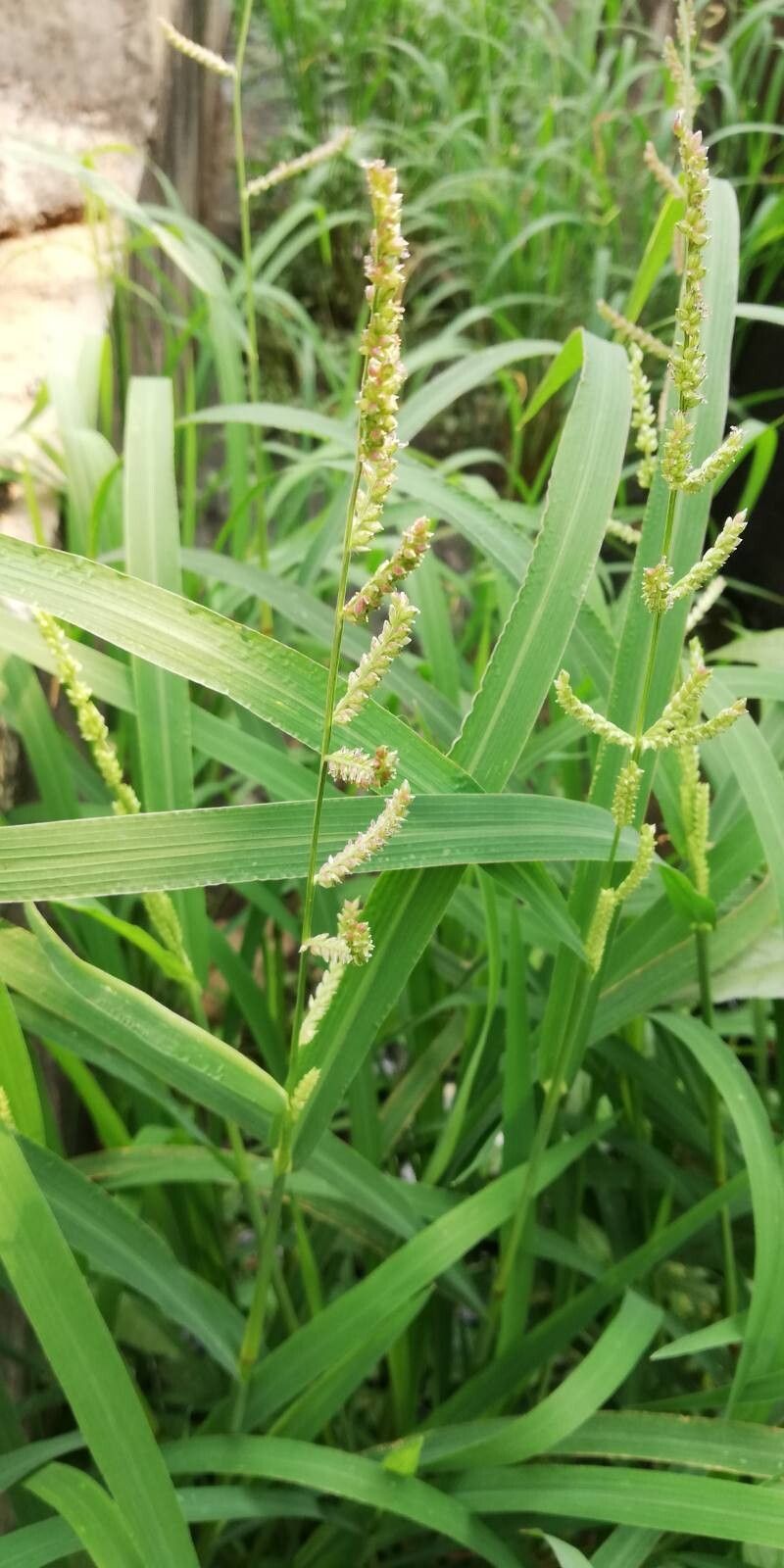
Hello, fellow garden enthusiasts! I’m so excited to chat with you today about a truly captivating plant: Leersia hexandra, also known as southern cutgrass. This ornamental grass brings such delightful movement and texture to a garden, with its elegant, arching stems and fine, delicate foliage. It’s like a whisper of nature dancing in the breeze!
Many of you have asked about multiplying this beauty, and I can tell you, propagating Leersia hexandra is a wonderfully rewarding endeavor. It allows you to fill your own garden beds, share with friends, or even start a small nursery if the gardening bug has bitten you hard! For beginners, I’d say this grass is moderately easy to propagate, meaning with a little attention to detail, you’ll be successful.
The Best Time to Start
My favorite time to get my hands dirty with Leersia hexandra propagation is in the late spring or early summer. This is when the plant is actively growing, full of vigor, and has plenty of healthy stems to work with. You can often get away with it in early fall too, but spring and early summer give you the best chances for robust root development before the cooler weather sets in.
Supplies You’ll Need
Gathering your tools beforehand always makes the process smoother. Here’s what I usually have on hand:
- Sharp pruning shears or a clean knife
- A good quality potting mix – something that drains well, perhaps a mix of peat moss and perlite, or a commercial potting mix with added sand.
- Small pots or trays with drainage holes.
- A watering can with a fine rose.
- (Optional) Rooting hormone – it can give an extra boost, especially if your cuttings are a bit older.
- Labels and a marker to keep track of your new plants!
Propagation Methods
Leersia hexandra is quite amenable to a couple of easy propagation methods. I’ll start with my preferred one: stem cuttings.
Stem Cuttings (My Go-To!)
- Select Your Stems: Look for healthy, non-flowering stems that are at least 6-8 inches long. You want stems that are firm but not woody.
- Make the Cut: Using your clean pruning shears or knife, cut the stem just below a node. A node is that little bump where a leaf emerges from the stem. It’s where the magic of root formation happens!
- Prepare the Cutting: Gently remove the leaves from the bottom half of your cutting. You only want one or two small leaves left at the very top to help with photosynthesis. If the remaining leaves are very large, you can even snip them in half to reduce water loss.
- Dip in Hormone (Optional): If you’re using rooting hormone, dip the cut end into the powder. Tap off any excess.
- Planting: Lightly moisten your potting mix. Make small holes with a pencil or your finger and insert about half of the cutting into the soil, ensuring at least one node is buried. Gently firm the soil around it.
- Water Gently: Water the soil well but avoid making it soggy.
Water Propagation (See it Grow!)
This method is so satisfying because you can watch the roots develop!
- Prepare Your Cuttings: Follow steps 1 and 2 from the stem cutting method. Be sure to remove all leaves that would sit below the waterline.
- Place in Water: Use a jar or a clear glass and fill it with fresh water. Place your cuttings in the water, making sure the nodes are submerged.
- Change Water Regularly: This is crucial! Change the water every 2-3 days to keep it fresh and prevent bacteria from building up. You’ll start to see tiny white roots emerging from the nodes in a few weeks.
- Potting Up: Once the roots are about an inch long, you can carefully pot them into moist potting mix, just as you would with stem cuttings.
Division (For Established Plants)
If you have a mature clump of Leersia hexandra, division is a fantastic way to get multiple new plants.
- Dig Gently: In late spring, use a spade to gently loosen and lift the entire plant from the ground.
- Separate the Roots: You can often gently pull the root ball apart with your hands, or use a clean spade to cut through it if it’s very dense. Aim to get sections with both roots and some healthy shoots.
- Replant Immediately: Replant your divided sections in well-prepared soil, watering them in thoroughly.
The “Secret Sauce” (Pro Tips)
After years of experimenting, I’ve learned a few tricks that really help.
- Humidity is Your Friend: New cuttings are thirsty! I like to create a mini-greenhouse effect by covering the pots with a clear plastic bag or a plastic dome. Just make sure to vent it daily to prevent mildew.
- Don’t Overcrowd: Give your cuttings a little space. If they’re too tightly packed, they can develop fungal issues. A little elbow room promotes better air circulation.
- Bottom Heat (If You Can): If you have a propagation mat or can place your pots on top of a slightly warm appliance (like a router or an old, gently warm computer tower), gentle bottom heat can significantly speed up root formation. It just mimics the warmth of spring soil.
Aftercare & Troubleshooting
Once you see signs of new growth or a healthy root system (give your cuttings a gentle tug – if there’s resistance, they’ve rooted!), it’s time for them to become independent little plants.
- Gradual Acclimation: If you used a plastic bag, slowly increase the amount of time you leave it off over a week. This helps them adjust to the drier air.
- Consistent Moisture: Keep the soil consistently moist but never waterlogged. Overwatering is the most common culprit for failure.
- Light: Provide bright, indirect light. Direct, harsh sun can scorch young, tender leaves.
The biggest challenge you might face is rot, which typically happens due to overwatering or poor drainage. If you see blackening or mushy stems, it’s usually a sign of this. Don’t be discouraged if a few don’t make it; it’s all part of the learning process!
A Warm Closing
Propagating Leersia hexandra is a wonderful way to connect with your garden and expand its beauty. Be patient with the process; nature has its own rhythm. Celebrate each tiny root and each new leaf. Happy propagating, and enjoy the journey of nurturing new life!
Resource:
https://identify.plantnet.org/k-world-flora/species/Leersia%20hexandra%20Sw./data