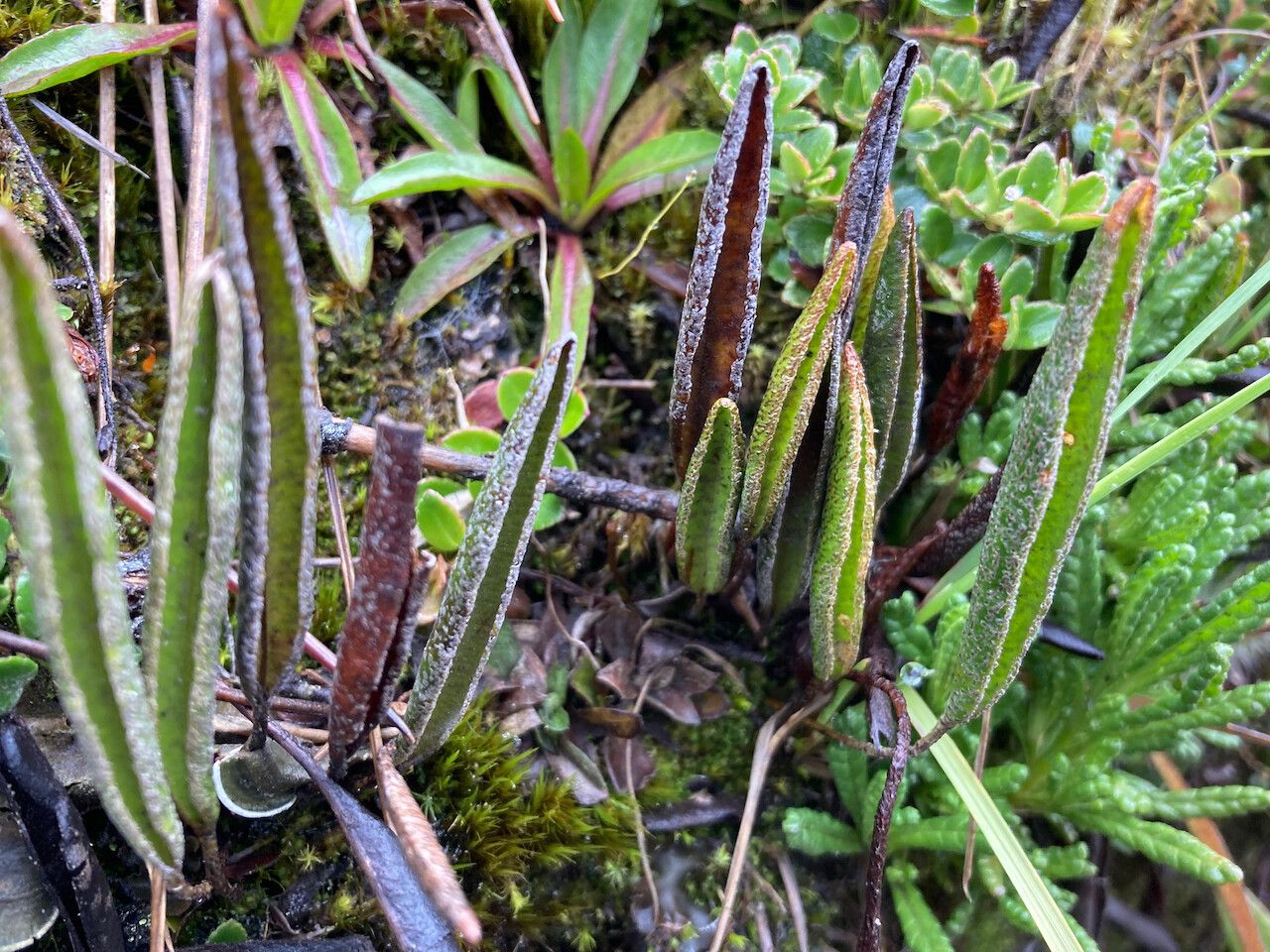
Ah, Elaphoglossum mathewsii! If you’ve ever seen this fern, you know why it’s so captivating. Its lush, emerald fronds have a unique, almost leathery texture that adds a touch of the exotic to any indoor space. And the best part? You can easily bring that beauty into more corners of your home by propagating it yourself! It’s a deeply satisfying process, watching a tiny piece of your beloved fern unfurl into its own independent life. Now, is it a breeze for absolute beginners? Honestly, it’s got a tiny bit of a learning curve, but nothing you can’t master with a little patience and this guide.
The Best Time to Start
For the happiest, most robust propagation, I like to start in late spring or early summer. This is when the plant is in its most vigorous growth phase. Energy levels are high, and whatever you take from the mother plant will be ready to hit the ground running, so to speak. Aim for new growth – usually those bright, tender fronds are prime candidates.
Supplies You’ll Need
- Sterilized sharp knife or pruning shears: For clean cuts, which are crucial for preventing disease.
- Potting mix: A well-draining mix is key. I usually combine peat moss or coco coir with perlite and a bit of horticultural charcoal. Think airy and moisture-retentive, but not waterlogged.
- Small pots or propagation trays: Whatever you have that’s clean and has drainage holes will work.
- Plastic bags or a propagation dome: To create a humid environment.
- Watering can or mister: For gentle watering.
- Rooting hormone (optional): Especially helpful for tricky propagations, though Elaphoglossum mathewsii can often root without it.
- Labels and a marker: To keep track of your projects!
Propagation Methods
Elaphoglossum mathewsii is most commonly propagated by division, which is my favorite method because it’s straightforward and you get a nice-sized plant right away.
Method: Division
- Gently unpot your mature fern. Work over a tarp or newspaper; ferns can be a bit messy!
- Inspect the root ball. You’re looking for natural breaks where new rhizomes or clusters of fronds are emerging from the main root system.
- Using your sterilized knife or shears, carefully separate a healthy section. Ensure the division has both roots and at least one or two healthy fronds. Don’t force it; if a section doesn’t want to come apart easily, it might not be ready.
- Dust any cut surfaces with fungicide powder (optional but recommended) to prevent rot.
- Pot each division into its own small pot filled with your well-draining potting mix.
- Water gently until you see water drain from the bottom.
- Place the pot in a humid location, like a greenhouse, terrarium, or covered with a plastic bag.
- Keep it out of direct sunlight. Bright, indirect light is perfect.
For Elaphoglossum mathewsii, I haven’t found stem cuttings or water propagation to be as successful or reliable as division. The rhizomatous nature of this fern lends itself perfectly to being split.
The “Secret Sauce” (Pro Tips)
- Don’t overcrowd your pots! When dividing, I make sure each new plant has ample space in its pot. If you cram them in, they’ll compete for resources and can become stressed, making them more susceptible to issues.
- Humidity is your best friend. These ferns love moisture. When you’ve potted your divisions, I like to pop a clear plastic bag loosely over the pot, creating a mini-greenhouse effect until I see signs of new growth. Just make sure to air it out every few days to prevent fungal issues.
- Think about where the rhizome wants to go. When repotting or dividing, pay attention to the direction the rhizomes are growing. You want to encourage them to spread outwards, not get all tangled up.
Aftercare & Troubleshooting
Once your divded Elaphoglossum mathewsii has settled in, continue to provide consistent moisture but avoid sogginess. A good test is to stick your finger an inch into the soil; if it feels dry, it’s time to water. You’ll know your plant is happy when you start to see new fronds unfurling. This can take anywhere from a few weeks to a couple of months, so be patient!
The most common problem you’ll encounter is root rot, usually caused by overwatering or poor drainage. Signs include yellowing fronds that might also feel mushy, and a foul smell from the soil. If this happens, gently unpot the plant, trim away any rot with your sterilized knife, and repot into fresh, dry soil. You might need to trim away a significant amount of the root system. It’s tough, but sometimes necessary. Another sign of stress can be brown, crispy edges on the fronds, which usually indicates a lack of humidity or too much direct sun.
A Encouraging Closing
Propagating plants is a wonderful way to connect with nature and fill your home with more green beauty. Don’t be discouraged if your first attempt isn’t perfect. Every gardener, no matter how experienced, has had failures. The key is to learn from them. Enjoy the process, celebrate the small victories, and before you know it, you’ll have a small jungle of Elaphoglossum mathewsii to share! Happy growing!
Resource:
https://identify.plantnet.org/k-world-flora/species/Elaphoglossum%20mathewsii%20(Fée)%20T.Moore/data