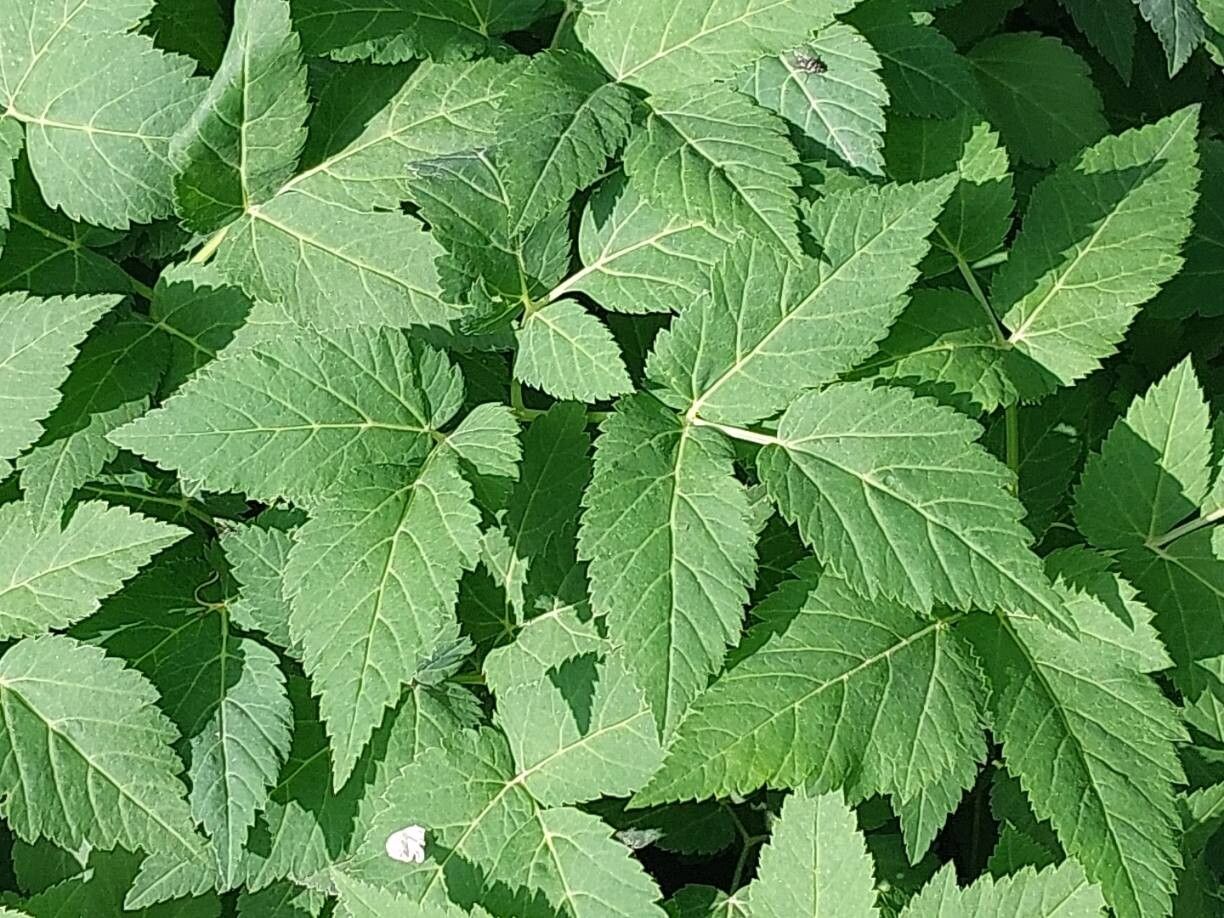
Oh, Golden Alexander! What a treat it is to talk about this gorgeous native. Zizia aurea, as it’s known botanically, is one of those plants that just makes me smile every time I see it. Its cheerful, bright yellow flower clusters bloom in late spring and early summer, attracting all sorts of beneficial pollinators. Plus, it’s tough as nails and happy in a wide range of conditions.
If you’re looking for a rewarding plant to propagate, Zizia aurea is a fantastic choice, especially for beginners. It’s quite forgiving, and watching a tiny piece of a plant grow into a whole new one is a thrill I never get tired of. It’s like a little gardening magic trick!
The Best Time to Start
Honestly, the easiest time to propagate Zizia aurea for me is when I’m dividing established clumps. This usually happens in the early spring, just as new growth is starting to emerge, or in the fall after the flowering season has ended and things are quieting down. If you’re looking at stem cuttings, I find that taking them in late spring to early summer, when the plant is actively growing but before it gets too hot and stressed, yields the best results.
Supplies You’ll Need
Here’s what I usually have on hand when I’m getting ready to propagate:
- Sharp Pruning Shears or a Clean Knife: For making clean cuts.
- Potting Mix: A good quality, well-draining potting mix is crucial. I often use a blend of peat moss, perlite, and a little compost to ensure good aeration.
- Small Pots or Trays: Clean containers with drainage holes are essential.
- Rooting Hormone (Optional): While Zizia aurea often roots readily without it, a rooting hormone powder or gel can give you a little boost, especially if you’re taking stem cuttings.
- Watering Can or Spray Bottle: For gentle watering.
- Labels: To keep track of what you’ve planted and when!
Propagation Methods
The most straightforward way to get more Zizia for your garden is by division. Think of it as giving your existing plants a little haircut and making clones from the pieces.
Method 1: Division
- Dig Up the Plant: In early spring or fall, carefully dig around the base of your established Zizia aurea plant. You want to lift the entire root ball out of the soil.
- Gently Separate: Once it’s out of the ground, gently shake off some of the excess soil. You’ll see that the plant naturally forms clumps. You can often pull these clumps apart with your hands. If the roots are a little tangled, a clean trowel or even the tip of your knife can help you tease them apart. The goal is to have sections that each have plenty of healthy roots and at least one or two growing points (where the stems emerge).
- Replant: Immediately replant your divisions into their new homes. Water them in well. It’s a good idea to keep them well-watered for the first few weeks as they establish themselves.
For stem cuttings, it’s a bit more involved, but still quite achievable.
Method 2: Stem Cuttings
- Take Cuttings: In late spring or early summer, use your sharp pruners to take 4-6 inch cuttings from healthy, non-flowering stems. Make your cut just below a leaf node (where a leaf grows from the stem).
- Prepare the Cuttings: Remove the lower leaves from the cutting, leaving just a few at the top. This helps the plant focus its energy on rooting rather than supporting unnecessary foliage.
- Apply Rooting Hormone (Optional): If you’re using rooting hormone, dip the cut end of the stem into the powder or gel, tapping off any excess.
- Plant the Cuttings: Moisten your potting mix in a small pot or tray. Make a small hole with a pencil or your finger and insert the cutting, ensuring the leaf nodes are buried. Gently firm the soil around the stem.
- Water Gently: Water lightly to settle the soil. You can cover the pot with a plastic bag or a cloche to create a humid environment, which cuttings love. Just make sure the leaves don’t touch the plastic.
The “Secret Sauce” (Pro Tips)
Even the best methods can be improved with a little know-how! Here are a couple of things I always do:
- Bottom Heat for Cuttings: If you’re doing stem cuttings, I’ve found that placing the pot on a heating mat can really speed things up. It encourages root development from the bottom of the cutting. You don’t want it too hot, just a gentle warmth.
- Be Patient with Divisions: When you divide Zizia, it might look a bit sad for a few days. It’s like a mini transplant shock. Don’t panic! As long as you’ve kept the roots moist and the plant out of scorching sun, it will bounce back. Focus on consistent moisture for those newly divided plants.
Aftercare & Troubleshooting
Once your divisions are planted or your cuttings show signs of rooting (you might see new leaf growth or feel a little resistance when you gently tug on a cutting), it’s time for continued care.
- Water Consistently: Keep the soil moist but not waterlogged. Overwatering is the quickest way to invite trouble, especially with young plants.
- Acclimatize Cuttings: If you’ve used a plastic covering for your cuttings, gradually expose them to open air over a few days to help them adjust.
- Troubleshooting: The most common issue you’ll see is rot, often due to too much moisture or poor drainage. If a cutting or division looks mushy and black, it’s usually a goner. Remove it immediately to prevent it from spreading. Another sign of stress is wilting, which could be due to underwatering or too much direct sun.
A Encouraging Closing
Don’t be discouraged if every single cutting or division doesn’t make it. Gardening is a journey of learning and experimenting. The most important thing is to enjoy the process. Zizia aurea is a generous plant. With a little care and patience, you’ll soon be rewarded with beautiful new plants to share or fill your own garden. Happy propagating!
Resource:
https://identify.plantnet.org/k-world-flora/species/Zizia%20aurea%20(L.)%20W.D.J.Koch/data