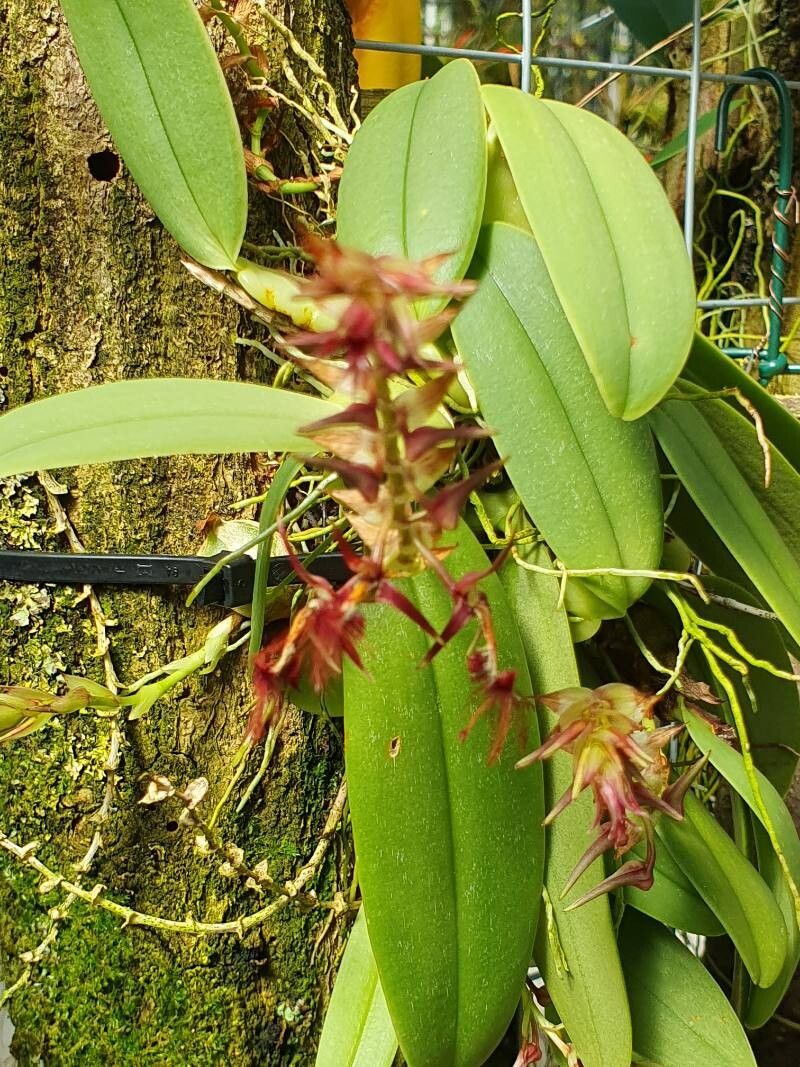
Oh, hello there! Pull up a chair and let’s chat about a truly fascinating orchid: Bulbophyllum barbigerum. If you’ve ever seen its wonderfully quirky, bearded flowers, I’m sure you understand the allure. They’re like little botanical comedians, always bringing a smile to my face. Propagating these gems can feel a bit daunting, I know, especially if you’re new to the orchid world. Let me tell you, while it’s not quite as simple as taking a cutting from a pothos, with a little know-how and patience, you absolutely can succeed. It’s incredibly rewarding to nurture a brand new plant from a piece of an old favorite.
The Best Time to Start
For Bulbophyllum barbigerum, I find the sweet spot for propagation is usually after blooming has finished, typically in late spring or early summer. This is when the plant is actively growing and has plenty of energy to invest in developing new roots and shoots. You’ll see new pseudobulbs starting to plump up – that’s your cue! Starting this active growth phase gives your cuttings the best chance to establish themselves before cooler weather arrives.
Supplies You’ll Need
Let’s get our tools ready! It’s not a huge list, but having the right bits and bobs makes all the difference.
- Sharp, sterile pruning shears or a clean knife: For making precise cuts.
- Potting medium: A well-draining orchid mix is crucial. I like a blend of medium-grade bark, perlite, and sphagnum moss. Some growers also have success using pure sphagnum moss, but make sure it’s not too dense.
- Small pots or net pots: Something that allows for good air circulation.
- Water: Clean, room-temperature water. Distilled or rainwater is best if your tap water is hard.
- Hormone rooting powder (optional): Can give an extra boost, but not always necessary for this orchid.
- Clear plastic bag or propagation box: To maintain humidity.
- Spray bottle: For misting.
Propagation Methods
There are a couple of ways we can go about this, but my favorite for Bulbophyllum barbigerum is division. It’s generally the most straightforward and successful method for this particular orchid.
Division
When your plant has grown large enough that it’s filling its pot or you see multiple healthy pseudo-bulbs clustered together, it’s prime time for division.
- Gently remove the plant from its pot. If it’s really stuck, you might need to carefully trim away some of the old potting mix or even the pot itself.
- Clean off any old potting medium from the roots with your fingers or a gentle stream of water. You want to get a clear view of the rhizomes.
- Identify natural divisions. Look for where the rhizome has split, with distinct groups of pseudo-bulbs each having its own set of roots.
- Using your sterile shears or knife, carefully cut or pull the plant apart into sections. Aim for divisions with at least two to three healthy pseudo-bulbs and a good root system. Don’t be afraid to separate them! If the roots are tangled, gently tease them apart.
- Allow the cut surfaces to air dry for a few hours or overnight. This helps to callus over the wounds and prevent rot.
- Pot up each division into its own small pot with your well-draining orchid mix. Make sure the roots are spread out a bit and the pseudo-bulbs are sitting on the surface of the mix, not buried too deeply.
The “Secret Sauce” (Pro Tips)
Here are a couple of things I’ve learned over the years that can make a real difference:
- Don’t over-pot: It’s tempting to put a divided section into a big pot, but smaller pots are your friend here. They dry out a little more evenly and prevent that dreaded soggy bottom, which is the nemesis of young orchids.
- Humidity is key, but good airflow is paramount: After potting, I’ll often place the divided plants in a clear plastic bag or a propagation box to keep humidity high. However, I deliberately don’t seal it completely. I leave a small opening or open it daily for a good 10-15 minutes. This fresh air helps prevent fungal issues and keeps things from getting stagnant.
- Be patient with the roots: Bulbophyllum barbigerum can sometimes take a while to show significant new root growth. Resist the urge to constantly dig around. Trust the process, keep the humidity up, and let them do their thing.
Aftercare & Troubleshooting
Once your new divisions are potted, continue to keep them in bright, indirect light. Water them when the potting medium is starting to approach dryness, but avoid letting them sit in water. Mist the leaves and the surface of the potting mix regularly to maintain that humid environment.
The number one thing you’ll want to watch out for is rot. If you see pseudo-bulbs starting to shrivel and feel soft, or if the base of the plant turns mushy and black, that’s usually a sign of too much moisture and poor air circulation. If this happens, pull the plant out, trim away any rotted parts with your sterile tool, let it air dry for a day or two, and repot in fresh, dry mix. Sometimes, a gentle dip in a diluted fungicide can help. If your divisions are simply refusing to grow, don’t despair! They might be establishing their root system unseen. Just keep them in the right conditions and give them time.
A Encouraging Closing
Propagating orchids like Bulbophyllum barbigerum is a journey. There might be a little trial and error, and that’s perfectly fine! The satisfaction of seeing those first tiny roots emerge and then watching a new plant take hold is unlike anything else. So, take a deep breath, get your supplies ready, and enjoy the adventure. Happy growing!
Resource:
https://identify.plantnet.org/k-world-flora/species/Bulbophyllum%20barbigerum%20Lindl./data