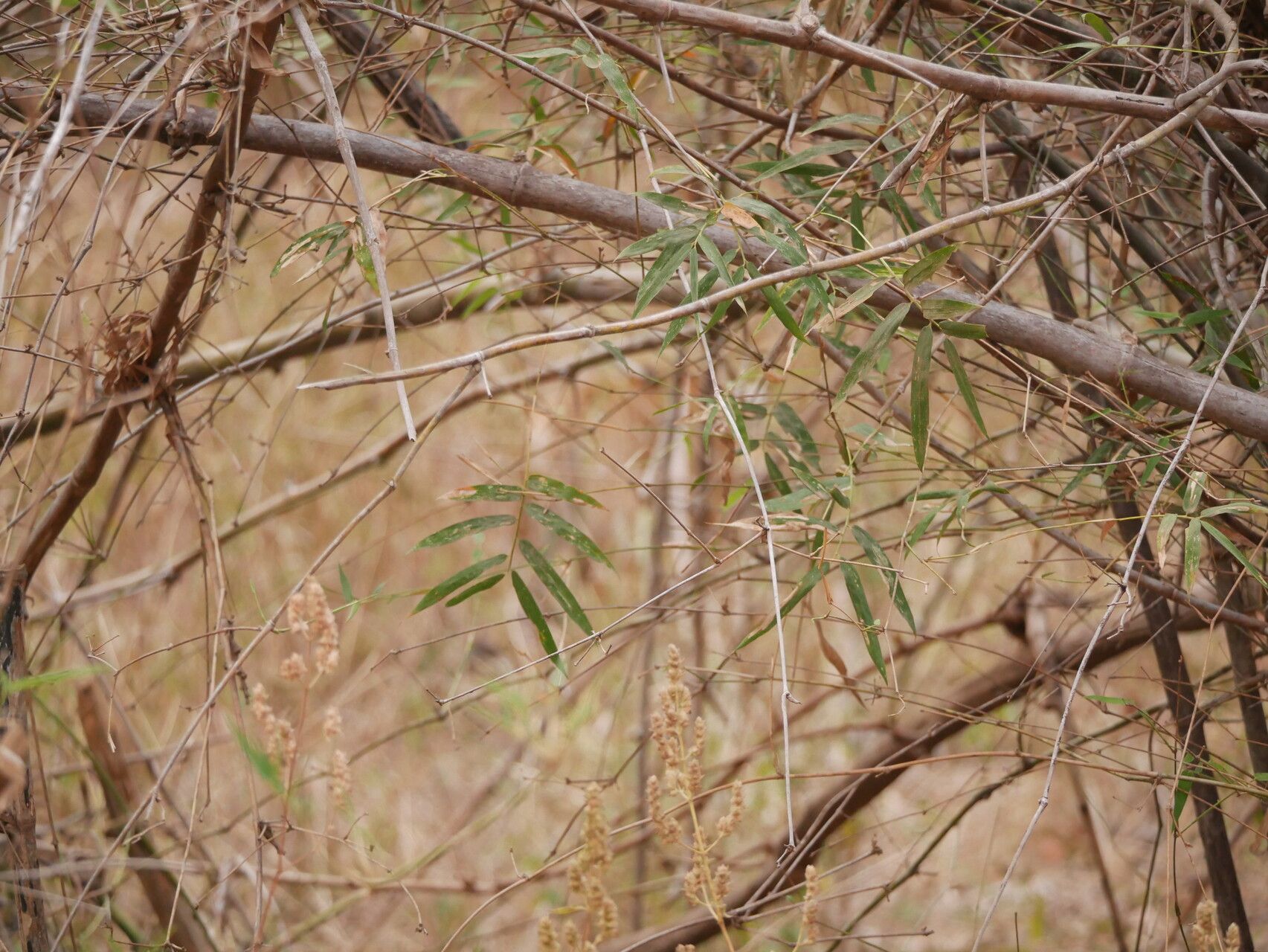
Hey there, fellow garden enthusiasts! Today, we’re diving into the wonderful world of propagating Bambusa bambos, or the Giant Thorny Bamboo as it’s sometimes called. Now, I know bamboo can seem a bit intimidating, but trust me, coaxing a new life from a mature specimen is incredibly rewarding. Plus, once you get the hang of it, you’ll have a wonderful way to share these magnificent plants with friends – or expand your own jungle! For beginners, I’d say propagating Bambusa bambos is moderately challenging. It’s not as straightforward as a succulent cutting, but with a little patience and the right know-how, you’ll be seeing results.
The Best Time to Start
When it comes to Bambusa bambos, spring is truly your best friend. This is when the plant is actively growing, pushing out fresh shoots and generally full of vigor. Starting your propagation efforts as the weather warms up, and before the intense heat of summer, gives your new cuttings or divisions a great head start. Look for a culm (that’s the main stem of bamboo) that’s at least a year old, but not ancient. You want something with a bit of life and energy left in it.
Supplies You’ll Need
Before we get our hands dirty, let’s gather our tools. Having everything ready makes the process so much smoother!
- Sharp Pruning Shears or a Saw: For clean cuts, which are crucial for preventing damage and disease.
- Rooting Hormone (Optional but Recommended): A powder or gel that encourages root development. I like to have a good quality one on hand.
- Well-Draining Potting Mix: A mix of perlite, compost, and coarse sand works wonders. You want to avoid anything that holds too much moisture.
- Pots or Containers: Clean pots with drainage holes are essential. Small to medium-sized ones are perfect for cuttings.
- Spray Bottle: For misting your cuttings to keep humidity levels up.
- Clear Plastic Bags or a Propagator: To create a humid environment for cuttings.
- Sharp Knife or Spade (for division): If you’re going the division route, you’ll need something sturdy to separate the root ball.
Propagation Methods
There are a couple of tried-and-true ways to bring new Bambusa bambos plants to life. Let’s break them down:
1. Stem Cuttings (The More Common Approach)
This is probably the method most gardeners think of, and it’s quite effective.
- Select Your Culm: Choose a healthy, mature culm. Look for nodes – those little rings along the stem. These are where new roots and shoots will emerge.
- Make the Cut: Using your sharp pruning shears, cut a section of the culm that has at least two to three nodes. Make your cuts just above a node and just below another. Angle your cuts slightly; it’s not a strict rule, but I find it helps.
- Prepare the Cutting: Gently remove any leaves, but leave at least one or two small ones if they are present. Trim any remaining leaf stalks if they look old or damaged. You want to reduce water loss.
- Apply Rooting Hormone (Optional): If you’re using rooting hormone, lightly dip the cut ends into the powder or gel. Tap off any excess.
- Plant Your Cuttings: Insert the cut end of the culm into your well-draining potting mix, burying at least one node. Make sure the soil is firm around the cutting.
- Create a Humid Environment: Water the soil gently, then cover the pot with a clear plastic bag, securing it around the rim with a rubber band. You can also use a propagator lid. Ensure the leaves don’t touch the plastic if possible – too much direct contact can lead to rot.
2. Division (The More Immediate Option)
If you have a well-established clump of Bambusa bambos and want a bigger start, division is a great choice.
- Assess Your Clump: Look for a section of the rhizome (the underground stem) that has at least one healthy shoot attached.
- Dig Carefully: If the clump is small, you might be able to carefully lift it out of the ground. For larger clumps, you’ll need to use a sharp spade or knife to carefully cut through the rhizomes. Aim to create a section with its own roots and at least one visible bud or shoot.
- Trim if Necessary: You might need to trim back some of the older culms to make the division easier to handle and to encourage new growth.
- Replant Immediately: Plant your division in its new location or a large pot filled with your good potting mix. Ensure the rhizome is covered by a few inches of soil. Water it thoroughly.
The “Secret Sauce” (Pro Tips)
Here are a couple of things I’ve learned over the years that really boost success:
- Bottom Heat is Your Friend: For stem cuttings, especially if your environment is a bit cool, placing the pots on a heated propagation mat can make a world of difference. It encourages those roots to form much faster. I’ve seen my success rates jump significantly when I use bottom heat.
- Mist, Don’t Drench: When misting your cuttings under the plastic, be gentle. You want to keep the humidity high, but you don’t want standing water on the leaves or waterlogged soil, which is a recipe for fungal issues. A light mist every day or two is usually sufficient.
Aftercare & Troubleshooting
Once you start seeing new shoots emerging from your cuttings or divisions, that’s an excellent sign that roots are forming!
- Gradual Acclimation: Once you see good growth, gradually start to acclimate your cuttings to normal room humidity. Loosen the plastic bag for a few hours a day, then remove it entirely over a week or two.
- Watering: Keep the soil consistently moist, but not soggy. As the new plant grows stronger, you can water it more thoroughly.
- Light: Place your new plants in bright, indirect light. Avoid direct, scorching sun, especially while they are still establishing.
Common Issues: The most common problem you’ll encounter is rot. This usually happens due to overwatering or poor drainage, leading to soggy soil. If you see your cutting turning black and mushy, it’s likely a lost cause. Another sign of trouble is if the cutting never sprouts. This could be due to a lack of warmth, insufficient humidity, or just a cutting that wasn’t viable to begin with. Don’t get discouraged if not every single cutting takes; that’s part of the process!
A Encouraging Closing
Propagating Bambusa bambos is a journey, and like any good garden project, it requires a little patience. Don’t be afraid to experiment, and celebrate every little sign of new life. The satisfaction of nurturing a brand-new plant from a piece of an old one is truly special. Happy propagating, and enjoy your growing bamboo forest!
Resource:
https://identify.plantnet.org/k-world-flora/species/Bambusa%20bambos%20(L.)%20Voss/data