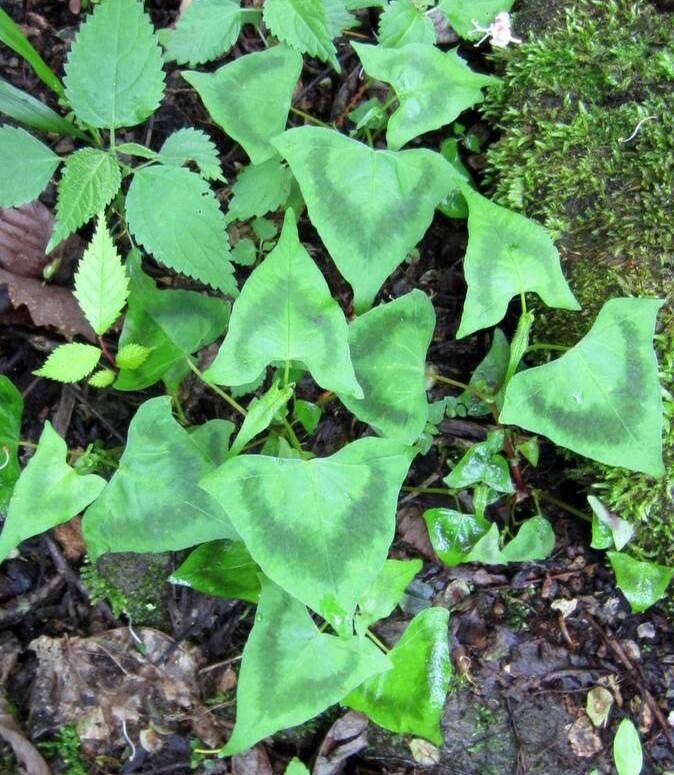
Oh, Persicaria debilis! If you’re looking for a plant that brings a splash of elegant, almost ethereal beauty to your garden, you’ve found a winner. Its delicate, cascading foliage and those lovely little white flowers are just captivating. And the best part? Propagating it is incredibly rewarding. You’ll find yourself with beautiful new plants to fill in gaps, give to friends, or just admire even more. Many gardeners find it quite approachable, even if you’re just dipping your toes into propagation.
The Best Time to Start
Honestly, for Persicaria debilis, spring and early summer are your golden windows. When the plant is actively growing and has plenty of lush, new shoots, that’s when it’s brimming with energy and ready to make more of itself. Aim for when you see new growth emerging after the dormancy of winter. This vibrant energy translates directly into successful rooting.
Supplies You’ll Need
Gathering your tools beforehand makes the whole process so much smoother. Here’s what I always have on hand:
- Sharp Pruning Shears or a Clean Knife: This is crucial for making clean cuts, which helps the plant heal and reduces the risk of disease.
- Well-Draining Potting Mix: I like a blend of peat moss or coco coir, perlite, and a bit of compost. This mix provides aeration and moisture retention without becoming waterlogged.
- Small Pots or Seed Starting Trays: Clean pots are a must! Anything suitable for starting new plants will work.
- Rooting Hormone (Optional but Recommended): A gel or powder can significantly speed up the rooting process and increase success rates.
- Plastic Bags or a Clear Dome: These create a mini-greenhouse effect, keeping humidity high around your cuttings.
- Watering Can with a Fine Rose: Gentle watering is key to avoid disturbing your precious cuttings.
Propagation Methods
Persicaria debilis is quite adaptable, and a couple of methods work beautifully.
Stem Cuttings
This is my go-to method and usually the easiest for this plant.
- Select a Healthy Shoot: Look for a piece of stem that is about 4-6 inches long and has several sets of leaves. It should be firm, not woody.
- Make the Cut: Using your clean shears or knife, cut just below a leaf node. This is where roots are most likely to form. Remove the very tip of the cutting if it’s very soft.
- Prepare the Cutting: Gently remove the lower leaves, leaving just two or three at the top. This prevents them from rotting in the soil and focuses the plant’s energy on root development.
- Apply Rooting Hormone (If Using): Dip the cut end of the stem into the rooting hormone, tapping off any excess.
- Plant the Cutting: Fill your small pots with your prepared potting mix. Make a small hole with your finger or a pencil, and carefully insert the cut end of the stem. Firm the soil gently around it.
- Water Gently: Water thoroughly but gently until the soil is moist.
- Create a Humid Environment: Cover the pot with a plastic bag, securing it with a rubber band, or place it under a clear dome. This keeps the humidity high, which is vital for cuttings. Place it in a bright spot, but out of direct sunlight.
Water Propagation
This method is wonderfully visual and satisfying if you like to see roots develop.
- Take Your Cutting: Follow steps 1-3 from the stem cutting method.
- Place in Water: Fill a small jar or glass with clean water and place your prepared cutting in it. Make sure no leaves are submerged in the water. This will cause them to rot.
- Change Water Regularly: Change the water every few days to keep it fresh and prevent bacterial growth.
- Find a Bright Spot: Place the jar in a location with bright, indirect light.
- Watch for Roots: In a few weeks, you should start to see tiny white roots emerging from the leaf nodes. Once the roots are an inch or so long, you can transplant them into potting mix, following the planting instructions for stem cuttings.
The “Secret Sauce” (Pro Tips)
Here are a couple of little tricks I’ve picked up over the years that often make a big difference:
- Don’t Let Those Leaves Touch the Water (Reiterated!): Seriously, if you’re water propagating, this is the biggest pitfall. Leaves submerged in water are a fast track to rot and disappointment. Trim them off if needed!
- A Touch of Bottom Heat: If you have a heat mat designed for propagation, using it can really speed things up. It mimics the warmth of spring soil and encourages root development from below. Just place your pots on top of it. It’s not essential, but it’s a good boost!
Aftercare & Troubleshooting
Once you see signs of new growth or a healthy root system forming, it’s time for a little more focused care.
- Gradual Acclimation: If you used a plastic bag or dome, start to gradually remove it over a few days to allow your new plant to adjust to normal room humidity.
- Gentle Watering: Continue to water when the top inch of soil feels dry. Don’t let it dry out completely, but avoid overwatering.
- Transplanting: Once the roots have filled the small pot, you can transplant your new Persicaria into a slightly larger pot or directly into your garden bed if the weather is appropriate.
Now, what if things go wrong? The most common issue is rot. If your cutting turns mushy, turns black, or smells unpleasant, it’s likely succumbed to rot. This is usually due to too much moisture, poor drainage, or inadequate airflow. If you see this, discard the affected cutting and disinfect your pot before trying again. Don’t be discouraged; it happens to all of us!
A Encouraging Closing
You’ve got this! Propagating Persicaria debilis is a wonderful way to connect with your plants and expand your garden bounty. Be patient with the process. Some cuttings will be faster than others, and some might not make it – that’s just the dance of nature. But oh, when you see those first tiny roots or a new leaf unfurling, the satisfaction is something truly special. Enjoy the journey of growing something new!
Resource: