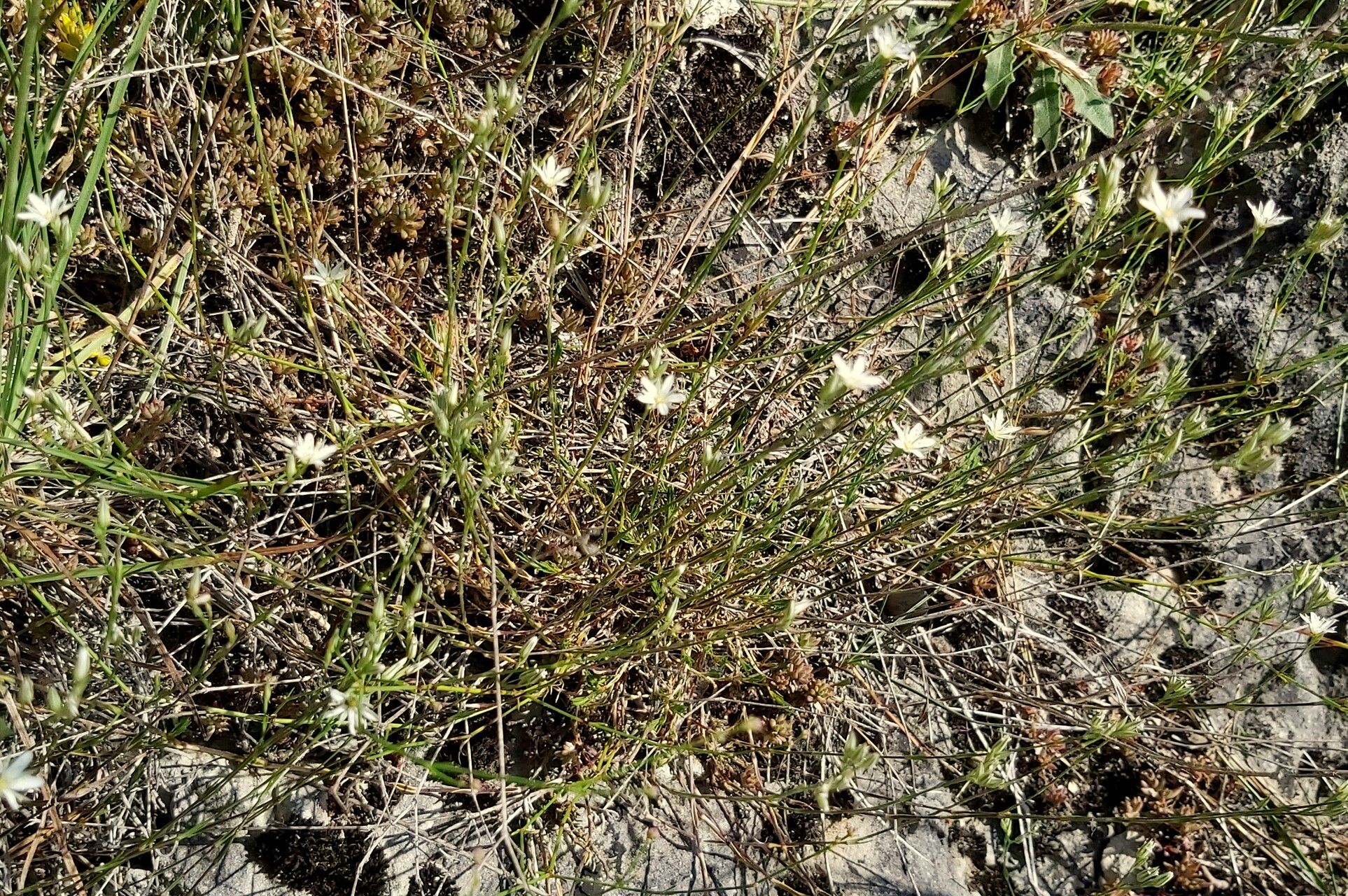
Oh, hello there! Grab a cup of your favorite brew, pull up a chair. Today, we’re diving into the delightful world of propagating Minuartia setacea. If you’ve ever admired those dainty, mat-forming mounds of tiny white flowers spilling over a rock wall or gracing a sunny border, you’re in for a treat. This little gem is a real charmer, and multiplying it is surprisingly rewarding. Now, is it a walk in the park for absolute beginners? I’d say it’s moderately easy, leaning towards easy if you’re willing to pay a little attention. It’s not a fussy diva, thankfully!
The Best Time to Start
When it comes to Minuartia setacea, the sweet spot for propagation is definitely late spring to early summer. This is when the plant is actively growing, pushing out new shoots that have enough energy to root. You’re looking for young, non-flowering stems. Trying to propagate from woody or old growth just won’t yield the best results, so keep an eye out for those fresh, vibrant bits.
Supplies You’ll Need
Here’s what I usually have on hand when I’m getting ready to propagate:
- Sharp, clean pruning shears or a sharp knife: The cleaner the cut, the better the plant’s chance to heal and root.
- A well-draining potting mix: I like a blend of about two parts seed-starting mix or perlite to one part coarse sand or finely gravel. Minuartia hates soggy feet, so drainage is key!
- Small pots or trays: Just big enough for your cuttings. You don’t need anything massive.
- Rooting hormone (optional but helpful): This can give your cuttings a nice boost. I prefer the powdered kind for ease of use.
- A mister or spray bottle: For keeping things humid, but not waterlogged.
- A plastic bag or a propagator lid: To create that cozy, humid environment.
- Labels and a marker: Trust me, you’ll forget what you planted and when!
Propagation Methods
We’ll focus on two of the most successful methods for Minuartia setacea.
1. Stem Cuttings (My Go-To!)
This is how I usually get the best bang for my buck.
- First, select healthy, non-flowering stems from your established plant. Look for pieces about 3-4 inches long.
- Using your clean shears or knife, take your cuttings. Make a clean cut just below a leaf node (that little bump where a leaf attaches to the stem).
- Gently remove the lower leaves, leaving just a few at the top. This prevents them from rotting in the soil.
- If you’re using rooting hormone, dip the cut end into the powder, tapping off any excess.
- Now, prepare your pots. Fill them with your well-draining mix and moisten it lightly. You want it damp, not soaking wet.
- Gently insert the cut end of each stem into the potting mix. Make a little hole with a pencil or your finger first to avoid rubbing off the rooting hormone.
- Water sparingly to settle the soil around the cuttings.
- Cover the pots loosely with a plastic bag or a propagator lid. This helps maintain humidity.
- Place them in a spot with bright, indirect light. Avoid direct sun, which can scorch those tender cuttings.
2. Division (For Established Clumps)
If you have a more mature clump of Minuartia, division is a fantastic way to increase your stock.
- Gently dig up the entire plant from its pot or garden bed. Try to disturb the root ball as little as possible.
- Gently tease apart the root ball into smaller sections. You’re looking for pieces that have a good portion of roots attached to some healthy foliage. You can often just pull them apart with your hands. If it’s a bit stubborn, a clean trowel or knife can help.
- Inspect the roots and remove any dead or mushy bits.
- Plant each division into its own pot filled with your well-draining mix, or directly into a prepared spot in the garden if the weather is right.
- Water thoroughly after planting.
The “Secret Sauce” (Pro Tips)
Alright, lean in close! Here are a few things I’ve learned over the years that really make a difference:
- Don’t let those leaves touch the water! This is super important for cuttings. If you’re doing water propagation (which I tend to avoid for Minuartia because it can lead to rot), make sure absolutely no leaves are submerged. They’ll just turn brown and mushy.
- Bottom heat is your friend. If you have a heat mat, placing your pots on it can really speed up rooting. It mimics the warmth of spring and signals to the plant that it’s time to get growing below the surface.
- Be patient with humidity. That plastic bag or lid is crucial! It creates a mini-greenhouse effect, keeping the moisture in the air around your cuttings so they don’t dry out before they can grow roots. Just be sure to air them out briefly every few days to prevent mold.
Aftercare & Troubleshooting
Once you start to see signs of rooting – usually new leaf growth or a gentle tug resistance when you very lightly pull on a stem – it’s time to adjust care.
- Gradually acclimate your new plants to drier air by opening the plastic bag or lid more each day.
- Continue to water sparingly, allowing the top inch of soil to dry out between waterings.
- Keep them in bright, indirect light.
- If you notice stems turning yellow and mushy or developing dark spots, that’s a sign of rot. This usually means too much moisture. Sadly, these are likely lost, but don’t despair! It’s a learning process. Ensure your soil is extremely well-draining from the start.
A Encouraging Closing
Propagating Minuartia setacea is a lovely way to get more of this delightful plant to share or to fill in your own garden. Be patient with the process – nature has its own rhythm. And remember, even if not every cutting makes it, each attempt teaches you something valuable. Happy gardening, and enjoy the satisfaction of watching your new green babies thrive!
Resource:
https://identify.plantnet.org/k-world-flora/species/Minuartia%20setacea%20(Thuill.)%20Hayek/data