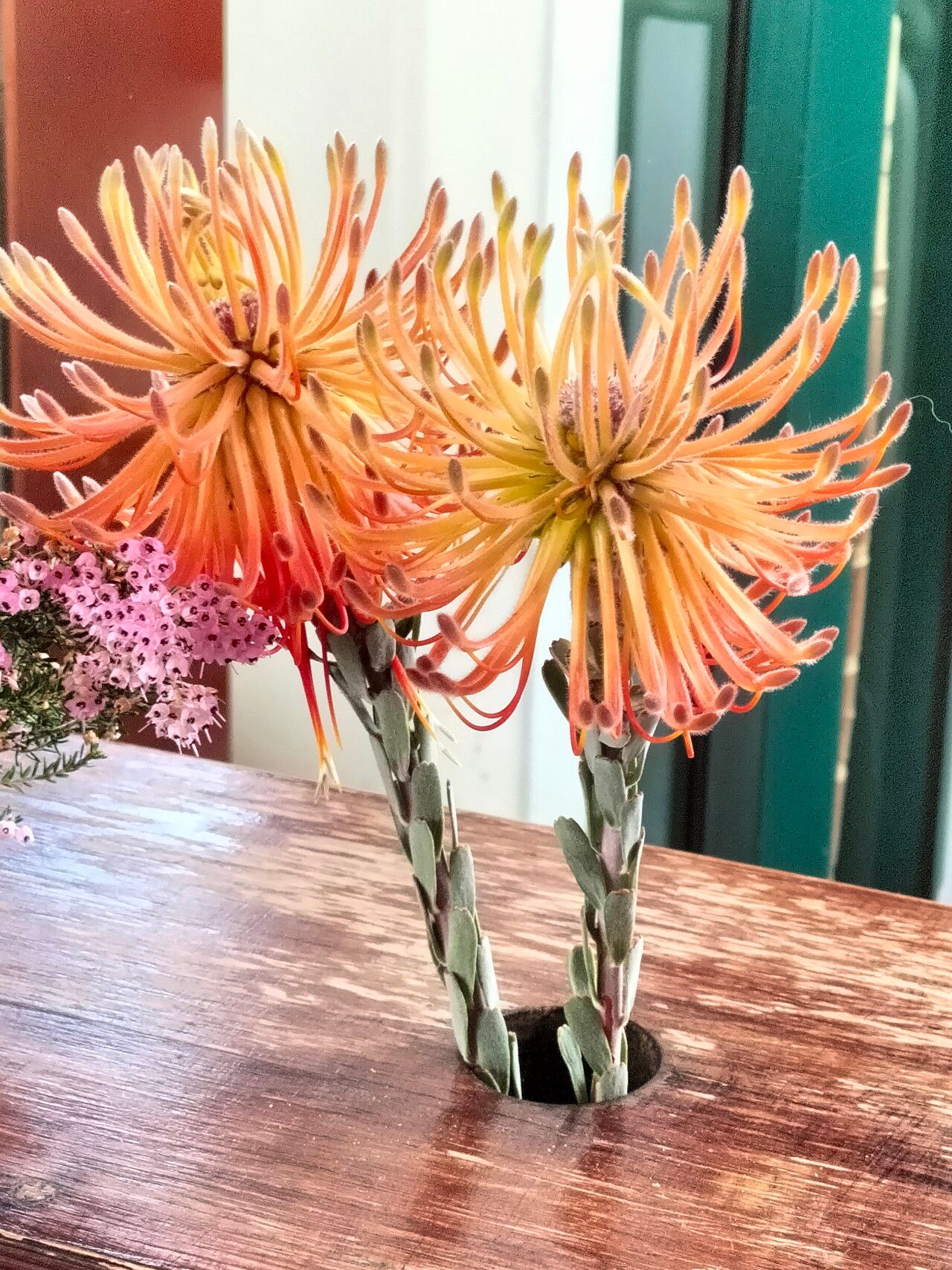
Oh, hello there! Grab a mug of your favorite brew; we’re going to talk about one of my absolute favorite plants to grow: Leucospermum reflexum. You know, those stunning pincushion flowers with their fiery orange or golden blooms that look like they belong in a sunset. They bring such an incredible splash of color and texture to the garden, and trust me, being able to propagate them yourself is a truly rewarding experience. Now, if you’re new to the plant propagation game, Leucospermum reflexum can be a little bit of a diva. It’s not impossible, but it definitely appreciates a bit of know-how. Think of it like learning to bake a delicate pastry – a few key techniques make all the difference.
The Best Time to Start
Timing is everything, and for Leucospermum reflexum, the sweet spot is late spring or early summer. This is when the plant is actively growing, and you’ll find new, healthy stems that are perfect for taking cuttings. The warmer temperatures also help with rooting. Avoid taking cuttings from old, woody growth or during the heat of mid-summer when the plant might be stressed.
Supplies You’ll Need
Let’s get our toolkit ready. Having the right supplies on hand makes the whole process much smoother:
- Sharp pruning shears or a clean knife: For taking clean cuts.
- Rooting hormone: A powder or gel will really give your cuttings a boost.
- Well-draining potting mix: A specialized mix for proteaceae or a blend of perlite, coarse sand, and a little peat moss works wonders. Drainage is crucial.
- Small pots or seed trays: With plenty of drainage holes.
- Clear plastic bags or a propagator: To create a humid environment.
- A spray bottle: For misting.
- Label sticks and a marker: To keep track of your cuttings!
Propagation Methods: Stem Cuttings are Your Best Bet!
While you might attempt division for larger, established plants, for getting new Leucospermum reflexum plants, stem cuttings are by far the most successful method.
- Select your material: Look for healthy, semi-hardwood stems. These are usually flexible but not floppy, typically from side shoots. You’re aiming for a length of about 4-6 inches.
- Make the cut: Using your sharp shears, make a clean cut just below a leaf node (where a leaf attaches to the stem).
- Prepare the cutting: Gently remove the lower leaves. You want to expose a small section of the stem for rooting. Leave a few leaves at the top. If the leaves are very large, you can even cut them in half to reduce water loss.
- Apply rooting hormone: Dip the bottom cut end into your rooting hormone, coating about an inch of the stem. Tap off any excess.
- Plant your cuttings: Fill your pots with your well-draining mix. Make a hole in the center with your finger or a pencil. Gently insert the cutting, ensuring it’s firm in the soil.
- Water gently: Water thoroughly to settle the soil around the cutting.
- Create humidity: Cover the pot with a clear plastic bag, using stakes to keep the bag from touching the leaves, or place it in a propagator.
The “Secret Sauce” (Pro Tips)
Here are a few things I’ve learned over the years that can really make a difference:
- Don’t overdo the rooting hormone: While it’s helpful, too much can actually inhibit rooting. Just a light coating is perfect.
- Bottom heat is your friend: If you have access to a heat mat, placing your cuttings on it can dramatically speed up root formation. It provides a consistent, gentle warmth that encourages growth.
- Cleanliness is paramount: Always use clean tools and pots. Leucospermum can be susceptible to fungal diseases, and a clean start helps prevent problems.
Aftercare & Troubleshooting
Once your cuttings are planted, keep them in a bright spot out of direct sun. Mist them regularly to maintain humidity, but don’t let them sit in soggy soil. You’ll want to check for roots after about 6-8 weeks. You can gently tug on a cutting; if there’s resistance, you’ve got roots!
The biggest culprit for failure is rot. If you see your cuttings turning black and mushy, it’s usually a sign of too much moisture and not enough air circulation. Make sure your soil is well-draining and you’re not overwatering. If you see signs of powdery mildew on the leaves, improve air circulation and consider a gentle fungicide.
A Little Patience, A Lot of Joy
Propagating Leucospermum reflexum takes a bit of care, but watching those tiny roots emerge and grow into a new plant is an incredibly satisfying journey. Be patient with yourself and your cuttings. Enjoy the process of nurturing these beautiful blooms, and before you know it, you’ll have a whole collection of your own stunning pincushions to admire! Happy gardening!
Resource: