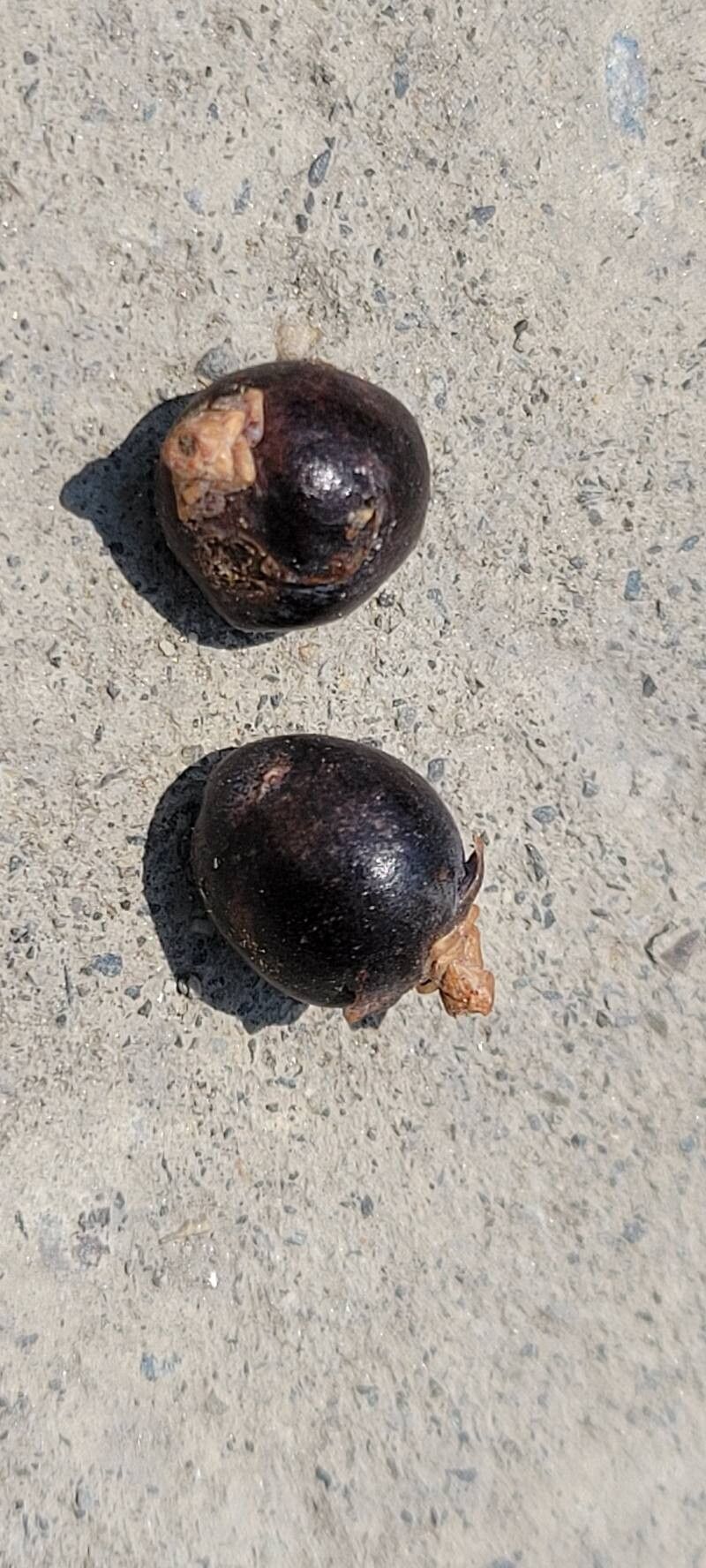
Oh, Juniperus indica! What a wonderful choice for propagating. I’ve always been drawn to their graceful, often architectural forms and that lovely, fragrant foliage. There’s something incredibly satisfying about coaxing a new life from a parent plant, isn’t there? It’s a connection to the cycle of nature that’s truly special.
Now, some folks might find propagating conifers a bit intimidating, but with Juniperus indica, I find it to be a truly rewarding endeavor, even for those of you just dipping your toes into the world of plant propagation. It’s not overly fussy, and with a little patience and the right approach, you’ll be well on your way to doubling your Juniper joy.
The Best Time to Start
For Juniperus indica, the sweet spot for starting new plants is definitely late spring to early summer. This is when the plant is actively growing and has plenty of energy to put into root development. Look for growth that is softened – not the hard, woody stems of last year, but not the extremely soft, new, bright green shoots either. We’re aiming for what we call semi-hardwood cuttings.
Supplies You’ll Need
Gathering your supplies beforehand makes the whole process so much smoother. Here’s what I like to have on hand:
- Sharp Pruning Shears or Craft Knife: Cleanliness is key to preventing disease.
- Rooting Hormone: A powder or gel form works well. This really gives your cuttings a boost.
- Well-Draining Potting Mix: A good blend would be 50% perlite and 50% peat moss or coco coir. You want excellent aeration.
- Small Pots or Trays: Clean, with drainage holes, of course.
- Plastic Bags or a propagator: To create a humid environment.
- Water: For misting and keeping things hydrated.
- Labels: So you remember what you’ve planted and when!
Propagation Methods
While you can try other methods, stem cuttings are my go-to for Juniperus indica. They’re reliable and give you the best chance of success.
Taking Stem Cuttings:
- Select Your Cuttings: Head to your healthy parent plant on a pleasant late spring or early summer day. Look for those semi-hardwood stems I mentioned. You want pieces that are about 4-6 inches long.
- Make the Cut: Using your clean shears, make a clean, angled cut just below a leaf node (where a leaf or branch attaches to the stem). This is where the rooting hormones really get to work.
- Prepare the Cutting: Gently strip off the lower leaves. You want to remove any foliage that would be below the soil line to prevent rot. If the leaves are particularly large, you can even cut them in half to reduce water loss; junipers are pretty good at conserving moisture, but it’s a helpful step.
- Apply Rooting Hormone: Dip the cut end of the stem into water, then into your rooting hormone. Tap off any excess.
- Plant Your Cuttings: Fill your clean pots with your well-draining potting mix. Make a small hole with a pencil or your finger, and insert the cutting. Gently firm the soil around the stem to ensure good contact.
- Water Gently: Water the soil thoroughly until you see it drain from the bottom.
Creating a Humid Environment:
Once your cuttings are planted, cover the pot loosely with a plastic bag, or place it inside a larger clear plastic bag. This traps humidity, which is crucial for preventing the cuttings from drying out before they can form roots. You can secure the bag with a rubber band around the pot. Stick your labels in now!
The “Secret Sauce” (Pro Tips)
Here are a few little tricks that have helped me over the years:
- Bottom Heat is Your Friend: If you have a heat mat designed for plants, placing your pots on it can significantly speed up root formation. It mimics the warmth of the soil in summer, encouraging those roots to wake up.
- The “Wipe Test”: Once a week, gently wipe the inside of the plastic bag or propagator. If there’s a lot of condensation, it’s good humidity. If it’s bone dry, give a very light misting of water. Don’t overdo it!
- Consider a Grafting Knife for Harder Cuttings: While semi-hardwood cuttings are best, if you’re attempting with slightly older wood, a sharp grafting knife used in a specific way (a “heel” cut) can sometimes offer better success by including a sliver of the older wood. But for Juniperus indica, stick with semi-hardwood for simplicity!
Aftercare & Troubleshooting
Be patient! Rooting can take anywhere from 4-8 weeks, sometimes longer. You’ll know your cutting has rooted when you gently tug on it and feel resistance, or you might even see new growth emerging.
Once rooted, gradually acclimate your new plants to normal humidity by opening the plastic bag a little more each day over a week or so. Then, you can remove the bag entirely. Keep the soil consistently moist, but not waterlogged.
The biggest challenge you’ll face is rot. If your cutting turns black and mushy, that’s usually a sign of too much moisture and not enough air circulation. Ensure your soil is draining well and your environment isn’t too wet. Sometimes, a cutting just doesn’t take, and that’s okay. It’s part of the learning process!
A Encouraging Closing
Propagating Juniperus indica is a wonderful way to expand your garden or share these beauties with friends. Don’t be discouraged if your first attempt isn’t a roaring success. Every cutting you take teaches you something new. Embrace the process, enjoy the quiet focus it brings, and celebrate each tiny root that tells you life is continuing on. Happy propagating!
Resource:
https://identify.plantnet.org/k-world-flora/species/Juniperus%20indica%20Bertol./data