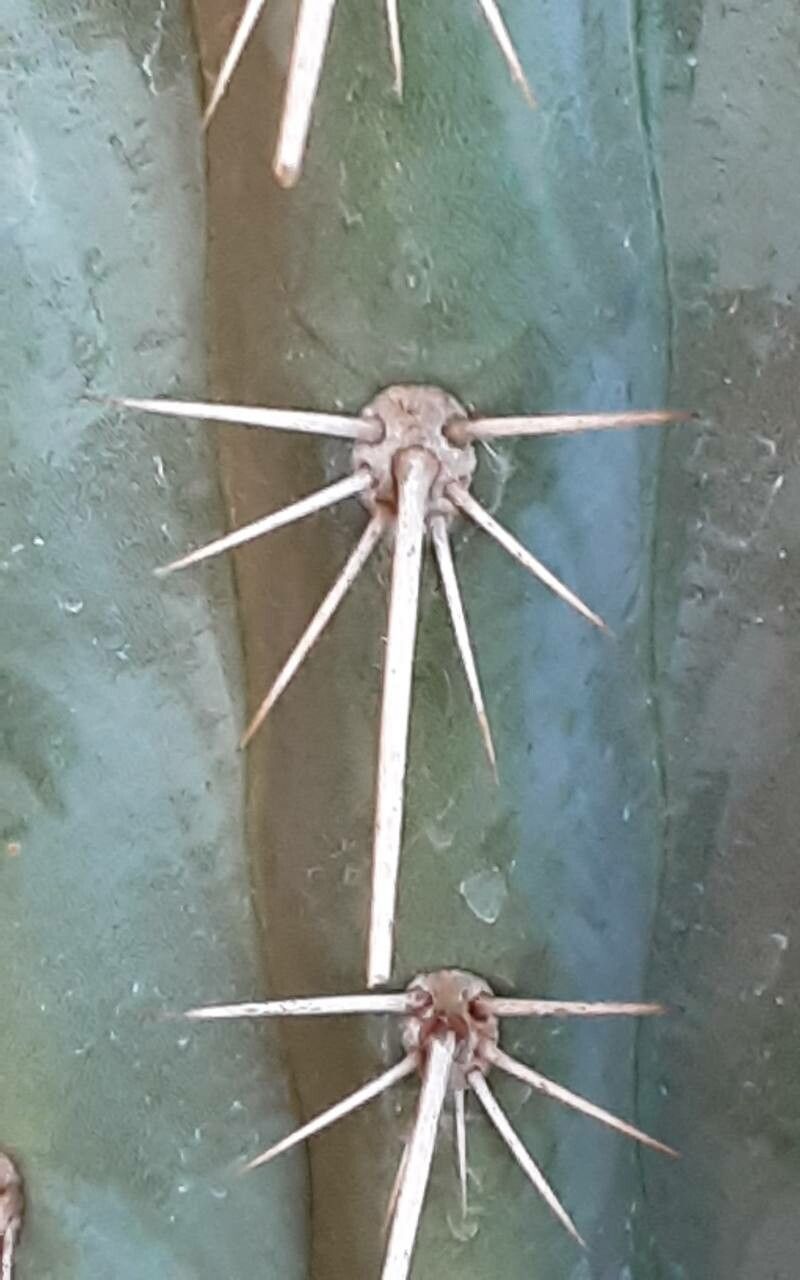
Well hello there, fellow plant enthusiast! It’s so wonderful to have you here. Today, we’re diving into the fascinating world of propagating Echinopsis cuzcoensis, those delightful, spiny architectural wonders that bring such a unique presence to any collection. If you’ve ever admired their sculptural form and the gorgeous flowers they can produce, you’re in for a treat. Getting more of these beauties for yourself is incredibly rewarding, and I’m here to guide you through it.
For beginners, I’d say propagating Echinopsis cuzcoensis is moderately easy. It’s not quite as foolproof as some of the super-prolific succulents, but with a little care and attention, you’ll find a lot of success. The real joy comes from watching a tiny cutting or offset transform into a thriving plant, all thanks to your own efforts.
The Best Time to Start
Honestly, the best time to propagate Echinopsis cuzcoensis is when the plant is actively growing. This usually means the late spring through summer months. Temperatures are warmer, and the plant has plenty of energy to push out new roots. You’re looking for healthy, mature stems, or offsets that have grown to a decent size. Trying to propagate during dormancy in the cooler months will likely lead to disappointment.
Supplies You’ll Need
Before we get our hands dirty, let’s gather our essentials. It’s always good to be prepared!
- Sharp, sterile pruning shears or a clean knife: This is crucial for making clean cuts to prevent disease.
- Rooting hormone (optional but recommended): A sprinkle of rooting powder can give your cuttings a great head start.
- Well-draining potting mix: A cactus and succulent mix is perfect. You can also make your own with equal parts potting soil, perlite, and coarse sand.
- Pots or shallow trays: Small terracotta pots or seed starting trays work well.
- Gloves: Those spines can be assertive!
- Watering can or spray bottle: For gentle watering.
- A bright location with indirect light: Avoid harsh, direct sun for young cuttings.
Propagation Methods
Echinopsis cuzcoensis is a fantastic candidate for stem cuttings and offset propagation.
Stem Cuttings
This is probably the most common and effective method.
- Take the cutting: Choose a heathy stem. Using your sterilized shears or knife, make a clean cut about 2-4 inches down from the tip, or a section that looks substantial enough. If the plant has offsets (those little baby cacti popping out the sides), you can do the same.
- Callous the cutting: This is perhaps the most important step for cacti! Do NOT pot the cutting immediately. Place it in a dry, well-ventilated spot away from direct sunlight for at least a week, or even two weeks. You want the cut end to dry and form a callous. This prevents rot when it’s planted. It should look dry and sealed.
- Prepare the pot: Fill your chosen pot with your well-draining mix.
- Plant the cutting: Once calloused, you can lightly dip the cut end in rooting hormone if you’re using it. Then, gently push the calloused end into the soil, about an inch deep, making sure it’s stable. You might need to prop it up with small stones if it’s wobbly.
- Wait for roots: The hardest part! Do not water immediately. Wait for about a week after planting before giving it its first gentle watering. You’re looking for signs of root development, which can take anywhere from a few weeks to a couple of months. A gentle tug will tell you if it’s resisting – that’s a good sign!
Offset Propagation (Pups)
If your Echinopsis cuzcoensis is producing offsets, this is an even simpler method.
- Remove the offset: Gently twist or carefully cut the offset away from the mother plant, making sure you get a clean break or cut at the connection point. If there’s a bit of the parent’s tissue attached, that’s usually a good thing.
- Callous (again, very important!): Just like with stem cuttings, let the offset callous over in a dry, airy spot for a week or two until the cut end is firm and dry.
- Pot it up: Plant the calloused offset in a small pot filled with your cactus mix. It doesn’t need to be buried deeply, just enough to stand upright.
- Water sparingly: Again, wait about a week before the first light watering.
The “Secret Sauce” (Pro Tips)
Here are a couple of things I’ve learned over the years that can really boost your success rates:
- Bottom Heat is Your Friend: If you have a heat mat designed for seedlings or propagation, placing your pots on it can work wonders. Cacti really appreciate that gentle warmth from below, encouraging root growth. It mimics the soil temperatures they’d experience in their native, warmer climates.
- Don’t Be Afraid of Airflow: Good air circulation is vital, especially for preventing rot. Avoid overcrowding your cuttings and make sure the area where they are callousing and rooting is well-ventilated. If you notice any dampness lingering, give it more air.
Aftercare & Troubleshooting
Once your cutting has developed roots – congratulations! Now it’s time for gentle ongoing care.
Continue to water sparingly. Allow the soil to dry out completely between waterings. Overwatering is the most common mistake and the quickest way to invite rot. If you notice any yellowing, mushy spots, or the stem looking translucent and collapsing, that’s a strong sign of rot. Unfortunately, rot is very difficult to come back from, so prevention is key. If you catch it very early, you might be able to cut away the rot and try to callous and re-root a healthy section, but it’s a long shot. If the cutting just seems to shrivel up and doesn’t root, it might be too dry or not getting enough consistent moisture once roots have formed.
A Encouraging Closing
Propagating Echinopsis cuzcoensis is a journey, and like any good garden adventure, it requires a touch of patience and a whole lot of observation. Don’t get discouraged if your first attempt doesn’t go perfectly. Each plant is a learning opportunity. Enjoy the process, celebrate the small victories, and soon you’ll be surrounded by your own little army of these magnificent cacti. Happy propagating!
Resource: