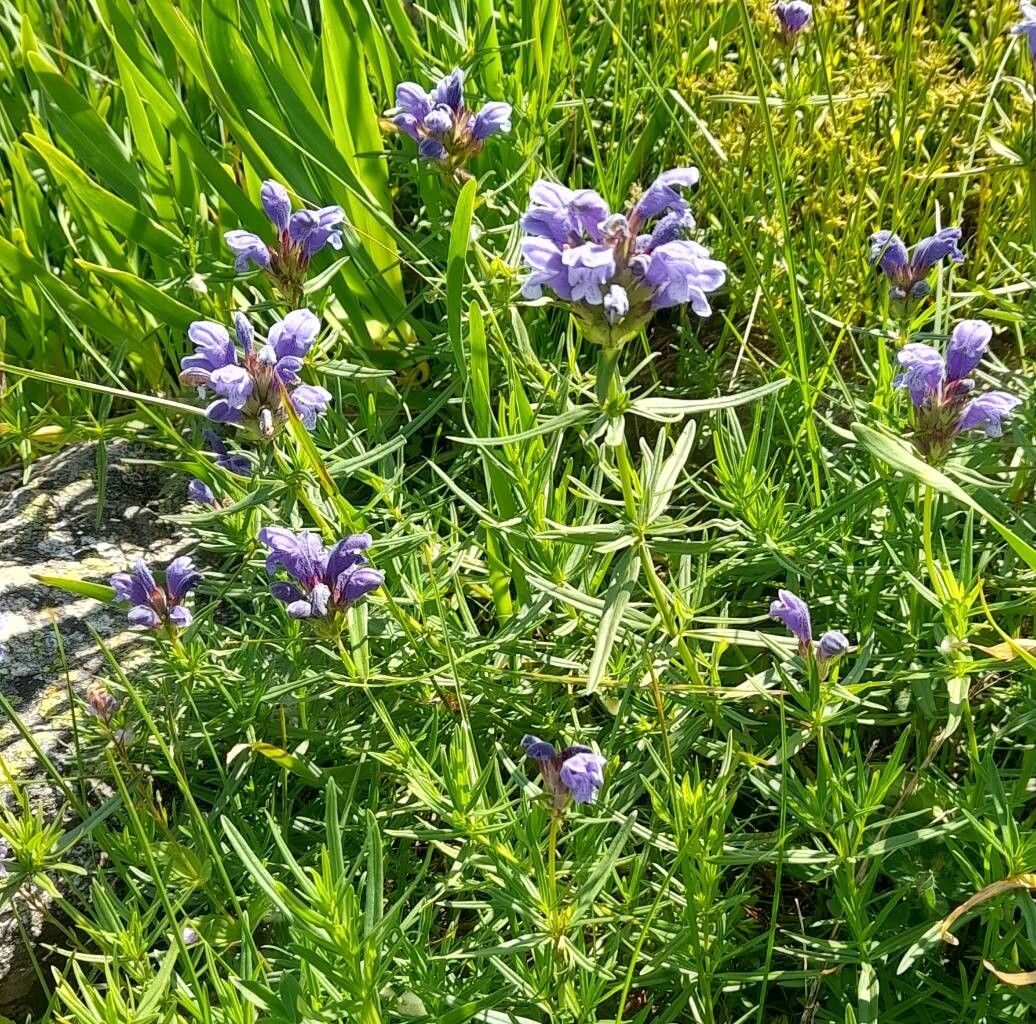
Hello there, fellow plant lovers! It’s so wonderful to connect with you again. Today, we’re diving into the fascinating world of propagating Dracocephalum ruyschiana, also known as Siberian Dragonhead or just Ruysch’s Speedwell. If you’ve ever admired its spiky, violet-blue blooms and lovely architectural form in my garden photos, you’re in for a treat! This plant brings a burst of cool color and a delightfully airy feel, and there’s something incredibly satisfying about watching a new plant emerge from a tiny piece of your existing treasure.
Now, let’s talk about beginners. I’d say Dracocephalum ruyschiana is a moderately easy plant to propagate. It’s not quite as foolproof as, say, a spider plant, but with a little attention to detail, you’ll be very successful. The rewards of seeing those little roots form are truly worth the effort!
The Best Time to Start
For the highest success rate with Dracocephalum ruyschiana, late spring to early summer is your golden window. This is when the plant is actively growing and has plenty of energy to put into rooting. You’re looking for new, non-flowering shoots to take as cuttings. These young, pliable stems root more readily than woody or flower-laden ones.
Supplies You’ll Need
Here’s what you’ll want to have on hand to get started:
- Sharp, clean pruning shears or a sharp knife: Essential for making clean cuts.
- Small pots or seed trays: With drainage holes, of course!
- A good quality potting mix: I like a mix that incorporates perlite or coarse sand for excellent drainage. A blend of seed starting mix and perlite (about 50/50) works wonderfully.
- Rooting hormone (optional but recommended): This can give your cuttings a significant boost.
- A small trowel or dibber: For making planting holes.
- A spray bottle filled with water: For keeping things humid.
- Clear plastic bags or a propagator lid: To create a humid environment.
Propagation Methods
I find stem cuttings to be the most reliable and rewarding method for Dracocephalum ruyschiana. Here’s how I do it:
- Take Your Cuttings: In late spring or early summer, select healthy, non-flowering stems from your mature plant. Using your sterilized pruning shears or knife, make cuts just below a leaf node (where a leaf attaches to the stem). Aim for cuttings that are about 4-6 inches long. Remove the lowest leaves, leaving just a couple at the top.
- Apply Rooting Hormone (Optional): If you’re using rooting hormone, lightly dip the cut end into the powder or gel. Tap off any excess.
- Plant Your Cuttings: Fill your small pots or seed trays with your prepared potting mix. Use your dibber or trowel to make a hole slightly larger than the stem. Gently insert the cutting into the hole, ensuring the leaf nodes you removed are below the soil surface. Firm the soil gently around the stem.
- Water Gently: Water thoroughly after planting. You want the soil to be moist but not waterlogged. Allow excess water to drain away.
- Create a Humid Environment: The key here is to keep those cuttings from drying out. Place the pots inside a clear plastic bag (tent it over the pot with a chopstick or two if needed so it doesn’t touch the leaves) or cover them with a propagator lid. Place them in a bright spot, but out of direct, harsh sunlight.
The “Secret Sauce” (Pro Tips)
Now, for a couple of tricks I’ve learned over the years that can really make a difference:
- Don’t Let the Leaves Touch the Water (if water propagating): While I primarily use soil, if you’re experimenting with water propagation (though I find it less successful for this particular plant), make sure no leaves are submerged. They’ll rot quickly and set your cutting back.
- Bottom Heat is Your Friend: If you have a heating mat designed for seedlings, placing your pots on it can significantly speed up root development. It mimics the warmth of spring soil and gives those cuttings a real kickstart.
- Think “Hygiene is Key”: I can’t stress this enough – always use clean tools and pots. This dramatically reduces the risk of fungal diseases, which can be the bane of young cuttings. A quick wipe with rubbing alcohol between cuts is a habit I’ve cultivated that saves a lot of heartache.
Aftercare & Troubleshooting
Once you see signs of roots – usually a good tug resistance on the cutting or even tiny new shoots appearing – it’s time to transition. Gradually acclimate your new plants to the room’s humidity by opening the plastic bag or propagator lid a little more each day over a week. Once they’re robust enough to handle normal air, you can pot them up into slightly larger containers with your regular potting mix. Water them as you would an established young plant, allowing the soil to dry slightly between waterings.
The most common issue you might encounter is rot, which usually shows up as a mushy, black stem at the soil line. This is often a sign of overwatering or poor drainage. If you see this, unfortunately, that cutting is likely lost. Prevention is key – ensure good airflow and don’t let those pots sit in soggy soil. Another sign of trouble is wilting that doesn’t improve with watering, which could indicate the cutting has simply dried out too much.
A Encouraging Closing
So there you have it! Propagating Dracocephalum ruyschiana is a journey of patience and observation. Don’t be discouraged if your first few attempts aren’t perfect. Every gardener learns and refines their technique with practice. The joy of nurturing a new life from your favorite plant is truly unparalleled. Be patient, keep those cuttings moist but not soggy, and I have no doubt you’ll soon be enjoying your own Siberian Dragonhead starts. Happy propagating!
Resource:
https://identify.plantnet.org/k-world-flora/species/Dracocephalum%20ruyschiana%20L./data