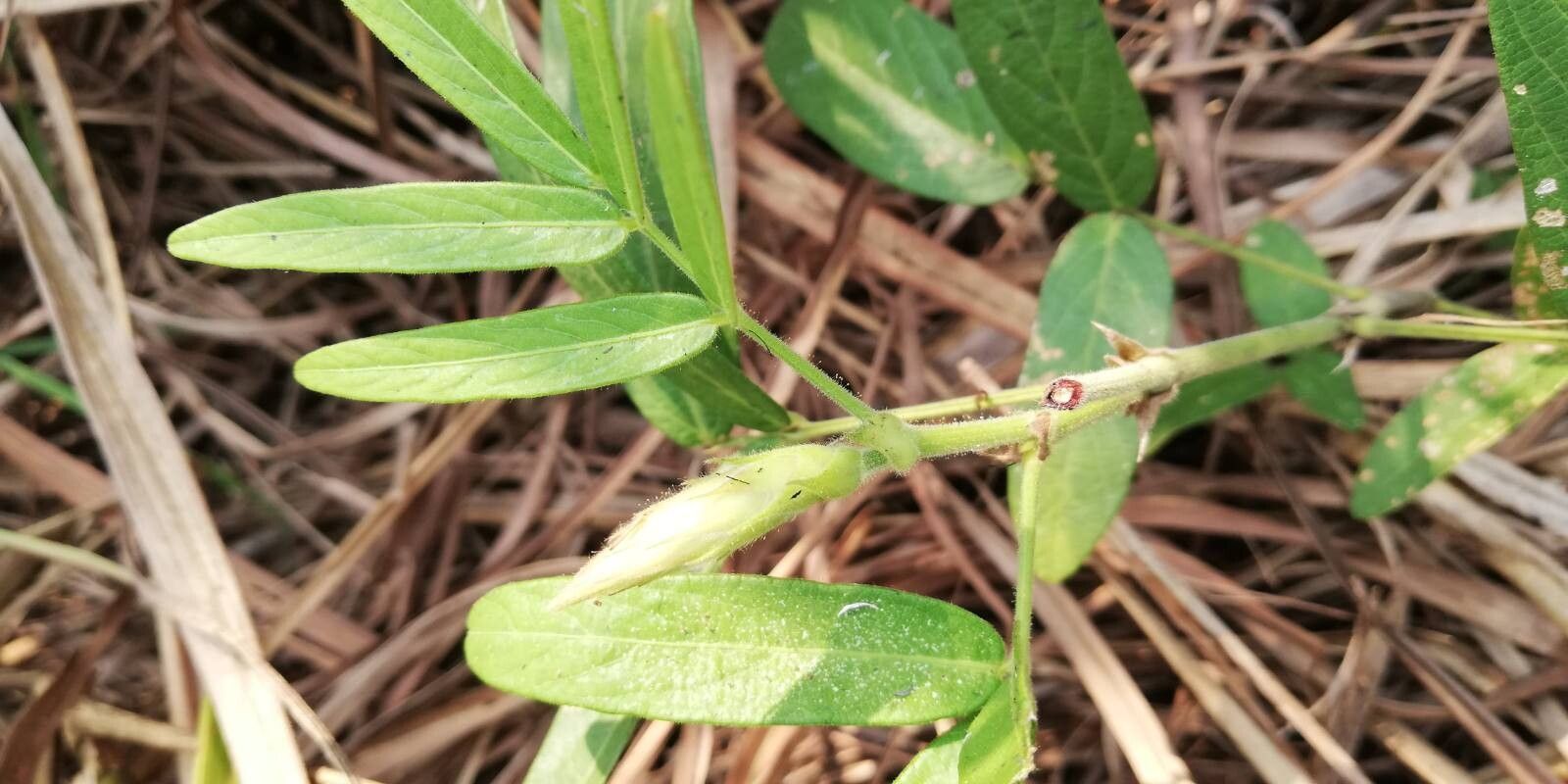
Hey there, fellow plant enthusiasts! Grab a mug of your favorite brew, because we’re diving into the delightful world of propagating Uraria picta. This is one of those plants that just makes you smile, isn’t it? With its striking, often intricately patterned leaves, it adds a touch of the exotic to any indoor jungle. And the best part? Watching a tiny cutting transform into a thriving new plant is incredibly satisfying.
Now, you might be wondering if this is a project for the seasoned pro or if it’s approachable for those just starting out. I’m happy to report that Uraria picta is moderately easy to propagate, meaning with a little attention and care, you’ll likely have success. It’s a rewarding challenge that’s perfect for building your confidence in plant propagation!
The Best Time to Start
Generally, the spring and early summer months are your golden ticket to successful Uraria picta propagation. This is when the plant is actively growing and has plenty of energy to dedicate to forming new roots. Starting during this vibrant growth phase means your cuttings have a better chance of establishing themselves quickly.
Supplies You’ll Need
Before we get our hands dirty, let’s gather our tools. Having everything ready makes the process so much smoother:
- Sharp Pruning Shears or a Clean Knife: For making clean cuts.
- Rooting Hormone (Optional but Recommended): This can give your cuttings a helpful boost.
- Well-Draining Potting Mix: A good blend of potting soil, perlite, and a bit of coco coir works wonders.
- Small Pots or Propagation Trays: Clean pots are key to preventing disease.
- Plastic Bag or Cloche: To create a humid environment.
- Water: For hydration.
- Gloves (Optional): If you prefer to keep your hands clean.
Propagation Methods
There are a couple of excellent ways to get new Uraria picta plants going. I find success with both stem cuttings and, sometimes, with division.
Stem Cuttings: My Go-To Method
This is my personal favorite for Uraria picta. It’s straightforward and yields great results:
- Select Your Source: Find a healthy, mature stem on your Uraria picta. Look for one that isn’t flowering, as energy is better directed towards root development.
- Make Your Cut: Using your clean shears or knife, make a 45-degree angled cut just below a leaf node (where a leaf attaches to the stem). You’re aiming for cuttings that are about 4-6 inches long.
- Prepare the Cutting: Gently remove the lower leaves from the cutting, leaving just a few at the top. This reduces water loss and prevents leaves from rotting in the soil.
- Dip in Rooting Hormone (Optional): If you’re using rooting hormone, dip the cut end of your stem into the powder. Tap off any excess.
- Plant Your Cutting: Fill your small pot or propagation tray with your well-draining potting mix. Make a small hole in the center with your finger or a pencil. Gently insert the cut end of your Uraria picta cutting into the hole, ensuring at least one leaf node is buried. Firm the soil gently around the stem.
- Water and Cover: Water the soil thoroughly until you see water draining from the bottom. Place the pot inside a plastic bag or cover it with a cloche to create a humid environment. Ensure the plastic doesn’t touch the leaves if possible.
- Find a Cozy Spot: Place your mini-greenhouse in a bright spot with indirect light. Avoid direct sun, as this can scorch young cuttings.
Division: For Established Plants
If you have a larger, established Uraria picta that’s looking a bit crowded, dividing it can be a great way to get new plants:
- Gently Remove from Pot: Carefully slide your Uraria picta out of its pot.
- Inspect the Root Ball: Gently tease apart the soil to expose the roots.
- Identify Sections: Look for natural divisions where new stems are emerging from the root system.
- Separate Carefully: Using your fingers or a clean knife, gently pull or cut apart the root ball into smaller sections, each with its own stems and a good portion of roots.
- Pot Up: Pot each division into its own pot with fresh, well-draining soil. Water them in well.
- Initial Care: Keep them in a bright spot with indirect light and maintain consistent moisture in the soil for the first few weeks.
The “Secret Sauce” (Pro Tips)
These little tricks have made all the difference for me over the years:
- The Air Gap is Your Friend: When water propagating, it’s crucial that the leaves do not touch the water. They’ll rot very quickly, and that’s a sure way to lose your cutting. Make sure only the stem is submerged.
- Warmth Encourages Roots: My secret weapon for stubborn cuttings? Bottom heat! Place your pots on a seedling heat mat. This gentle warmth from below mimics spring soil temperatures and significantly speeds up root development. It’s like a cozy spa day for your cuttings!
- Patience with Peeking: Resist the urge to constantly tug on your cuttings to “check for roots.” You can generally tell when roots have formed because the cutting will start showing new growth and will resist a gentle tug. If you can’t resist, wait at least 3-4 weeks before attempting.
Aftercare & Troubleshooting
Once you start seeing signs of new growth – tiny leaves unfurling or a gentle resistance when you tug – congratulations! Your Uraria picta cutting has likely started to root.
- Acclimatize: Slowly start to acclimate your rooted cutting to lower humidity by opening the plastic bag or cloche for a few hours each day before removing it completely.
- Watering: Water when the top inch of soil feels dry. Avoid overwatering, as this is a common cause of rot.
- Fertilizing: Wait until you see vigorous new growth before introducing a diluted, balanced liquid fertilizer.
The most common issue you might encounter is rot. This usually happens due to overwatering or a lack of air circulation. If you see your cutting becoming mushy or turning black, unfortunately, it’s likely too late. Don’t despair! Just start again with fresh cuttings and adjust your watering and humidity levels.
A Gentle Encouragement
Propagating plants is a journey, and sometimes it has its little bumps along the way. Remember to be gentle with yourself and your new plant. Take joy in the process, celebrate every small success, and don’t be afraid to experiment. With a little practice, you’ll be sharing your beautiful Uraria picta babies with friends in no time! Happy propagating!
Resource:
https://identify.plantnet.org/k-world-flora/species/Uraria%20picta%20(Jacq.)%20Desv.%20ex%20DC./data