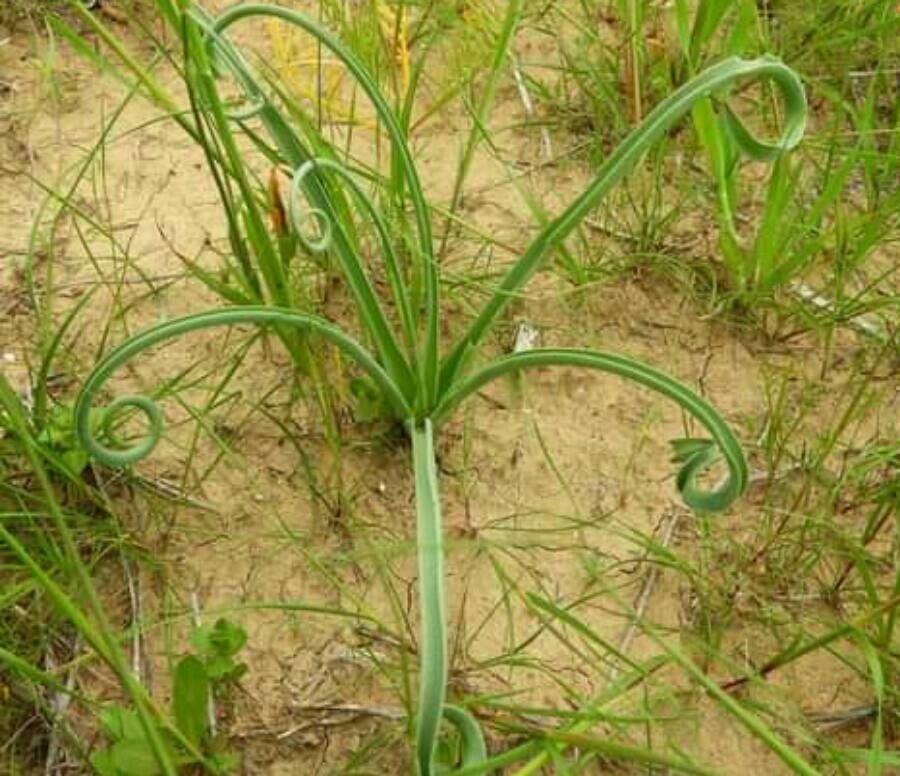
Oh, hello there! I’m so glad you’re interested in Muscari longipes, also known as the Giant Grape Hyacinth. These little beauties are just a dream in the spring garden, with their tall spikes of intense blue flowers. They have this lovely, almost ethereal quality that just brightens everything up after a long winter. And the best part? They’re surprisingly easy to propagate, which means you can fill your garden (or share with friends!) with even more of their charm. It’s perfect for beginners!
The Best Time to Start
For Muscari longipes, the absolute best time to get your hands dirty with propagation is late spring or early summer. This is right after they’ve finished their glorious bloom and started to die back naturally. You’ll see the foliage beginning to yellow and wither; that’s your cue that the bulb has stored up all its energy and is ready to be divided. Waiting until this point ensures the bulb is strong and has the best chance of success.
Supplies You’ll Need
Here’s what you’ll want to have on hand:
- A trowel or small spade: For gently lifting the bulbs.
- Sharp, clean pruning shears or a knife: To separate bulb offsets. Sterilize them with rubbing alcohol just to be safe!
- A well-draining potting mix: A mix designed for bulbs or a general potting soil amended with perlite or coarse sand works beautifully. We want good airflow around those roots!
- A small sieve or sieve-like tool (optional): For gently removing old soil.
- Labels and a marker: So you don’t forget what you planted where!
- Watering can with a fine rose: For gentle watering.
Propagation Methods: Division is Key!
Muscari longipes are bulbous plants, so the primary and most successful method for propagation is division. These plants naturally produce baby bulbs, called offsets, around the main bulb. It’s like they’re giving us gifts!
- Gently Excavate: Head out to your garden in late spring or early summer, after the flowering foliage has started to die back. Carefully insert your trowel around the clump and gently lift the entire mass of bulbs from the soil. Try not to damage any of the roots if you can help it.
- Clean Up the Clumps: Gently shake off as much of the old soil as you can. You can use your fingers, or if it’s really stuck, a soft brush or even a quick rinse under a gentle stream of water might help. We want to clearly see the individual bulbs and the offsets.
- Separate the Offsets: Now, look closely at the main bulb. You’ll see smaller bulbs attached to its sides. These are your offsets! With clean hands or your sterilized knife/pruning shears, carefully pry or cut these offsets away from the parent bulb. Aim to get offsets that have at least a couple of small roots attached. Don’t worry if the parent bulb looks a bit bare; it will recover.
- Plant Your New Treasures: Prepare your pots or a new bed with your well-draining potting mix. Plant each offset so that the top of the bulb is just at or slightly below the soil surface. Give them a little space – maybe 2-3 inches apart. Label everything so you know what you’ve got!
The “Secret Sauce” (Pro Tips)
- Don’t Rush the Dry-Off: After you’ve separated the offsets, it’s a good idea to let them air dry for a few hours, or even a day or two in a cool, dry, shaded spot. This helps any cuts callous over, reducing the risk of rot once they’re planted.
- Think “Sleepy Time”: Muscari bulbs need a period of dormancy to flower well. When you replant your divisions, you’re essentially giving them a fresh start. For the best results, plant them in their intended permanent spot if possible, or in pots where you can simulate a cool, dry summer rest, just like they’d experience in the ground.
- Be Gentle with the Foliage: When you’re dividing, try to avoid damaging the existing foliage on the offsets as much as possible. Even though it’s dying back, it’s still providing some energy to the offsets, and cleaner growth will emerge from the established roots.
Aftercare & Troubleshooting
Once your new Muscari longipes divisions are planted, water them in gently but thoroughly. Keep the soil consistently moist but not soggy during the initial establishment phase. As they begin to grow, you can gradually reduce watering, especially during the summer dormancy period.
If you see mushy, brown rot setting in, it’s usually a sign of too much moisture and poor drainage. Ensure your soil is well-draining and avoid overwatering. If you catch rot early on a few offsets, you might be able to salvage them by removing the rotted parts and replanting in fresh, dry soil, but sadly, some losses are to be expected. Patience is key here!
A Encouraging Closing
Propagating Muscari longipes is such a delightful way to connect with nature and expand your garden’s beauty. Don’t be discouraged if every single division doesn’t take root immediately. Gardening is a journey, and each year you’ll learn a little more. Just enjoy the process of nurturing these little bulbs, and before you know it, you’ll have a carpet of those glorious blue spikes gracing your garden. Happy propagating!
Resource:
https://identify.plantnet.org/k-world-flora/species/Muscari%20longipes%20Boiss./data