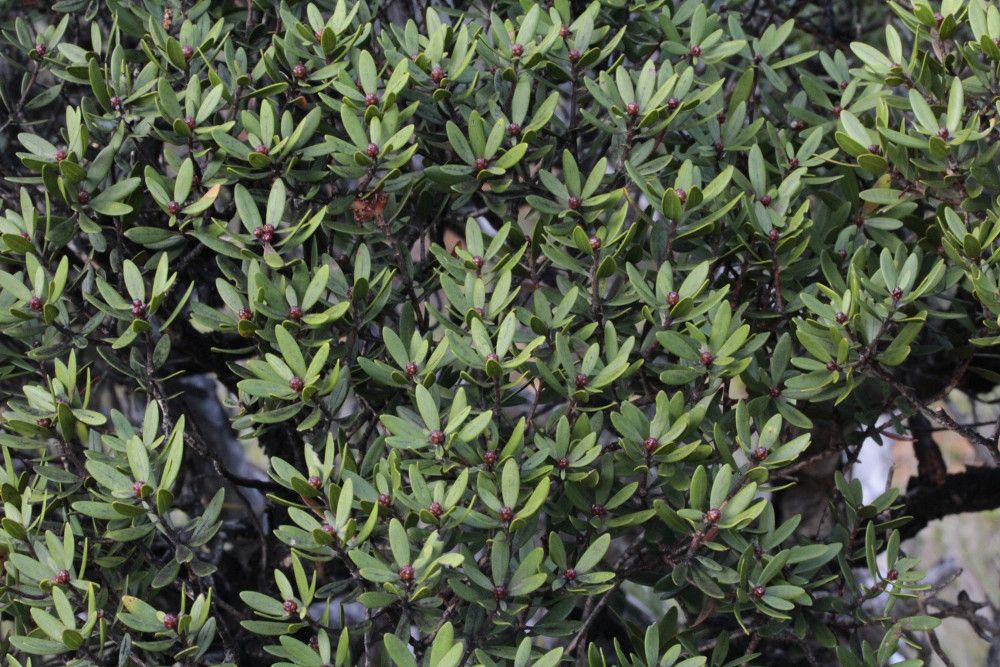
Oh, hello there! Come on in, grab a cuppa. Today, we’re diving into the wonderful world of propagating Melaleuca buseana. I’m so excited to share this with you. Many of you might know this beauty, with its delightful sprays of white, fluffy flowers and often striking foliage. It’s a joy to have in any garden, truly. And the best part? It’s surprisingly rewarding to make more of these beauties yourself. Now, for beginners, I’d say Melaleuca buseana falls somewhere in the middle of the propagation difficulty scale. It’s not as straightforward as a succulent cutting, but with a little know-how and patience, you’ll be well on your way.
The Best Time to Start
For the highest success rates with Melaleuca buseana, you’ll want to focus on when the plant is actively growing. That usually means late spring or early summer. When the growth is vigorous and the plant is putting on new shoots, it has all the energy it needs to develop roots. Trying to propagate from dormant wood is often a recipe for disappointment. Look for stems that are firm but not yet woody – what we often call semi-hardwood.
Supplies You’ll Need
Gathering your tools beforehand makes the whole process so much smoother. Here’s what I always have on hand:
- Sharp Pruning Shears or a Hobby Knife: Clean cuts are crucial for preventing disease.
- Rooting Hormone: A good quality rooting hormone powder or gel will give your cuttings a significant boost. My favorites are those containing IBA.
- Well-Draining Potting Mix: I often use a blend of perlite, coarse sand, and a little peat moss or coco coir. A general-purpose seedling mix with added perlite works well too.
- Small Pots or Trays: Clean pots with drainage holes are a must.
- Plastic Bags or a propagator: To create a humid environment.
- Soft Water: Rainwater or filtered water is best, if you have it.
- Labeling Stakes: Don’t forget to mark what you’ve planted and when!
Propagation Methods
We’ll focus on the most reliable method for Melaleuca buseana: stem cuttings.
- Take Your Cuttings: On a bright, mild morning (after the dew has dried), select healthy, non-flowering stems. Look for growth from the current season that has started to firm up. Using your sharp shears, take cuttings about 4-6 inches long. Make your cut just below a leaf node – that’s where the roots will emerge.
- Prepare the Cuttings: Gently remove the leaves from the bottom two-thirds of each cutting. This prevents them from rotting in the soil and encourages root development. You can leave a few leaves at the top to help with photosynthesis.
- Apply Rooting Hormone: Dip the cut end of each prepared cutting into your rooting hormone. Tap off any excess powder.
- Plant Your Cuttings: Fill your clean pots with your damp (not soggy!) potting mix. Make a small hole in the center of the mix with your finger or a pencil. Insert the hormone-treated end of the cutting into the hole, ensuring the leaves aren’t being buried. Gently firm the soil around the base of the cutting. You can plant several cuttings in one pot, spaced a couple of inches apart, as long as the pot is large enough.
- Create a Humid Environment: Water the soil lightly. Then, cover the pot with a plastic bag, creating a mini-greenhouse. You can use a clear produce bag or a propagation dome. Secure it with a rubber band or tape. Make sure the leaves aren’t touching the inside of the bag.
- Provide Light and Warmth: Place your cuttings in a bright spot but out of direct, harsh sunlight. A warm windowsill is usually ideal.
The “Secret Sauce” (Pro Tips)
Here are a couple of things I’ve learned over the years that make a real difference:
First, don’t overwater. It’s tempting to keep those cuttings moist, but the biggest killer of cuttings is rot. The humid environment of the plastic bag should keep things from drying out. You only want the soil to be lightly moist. I usually check it by gently touching the surface.
Second, bottom heat is your best friend. If you have a seedling heat mat, pop your pots on it. That gentle extra warmth from below encourages root formation much more effectively than just ambient room temperature. It truly speeds things up and increases your success rate.
Aftercare & Troubleshooting
Once your cuttings have been planted, the waiting game begins! Keep them in that bright, indirect light and that humid environment. Check every few days to ensure the soil isn’t drying out too much. If the plastic bag is collecting a lot of condensation, you can lift it for a few minutes to allow for some air circulation.
You’ll know your cuttings have rooted when you see new leaf growth or when you can gently tug on a cutting and feel resistance. This usually takes anywhere from 4 to 8 weeks, sometimes longer.
The most common problem you’ll encounter is rot. If you see stems turning black and mushy, it’s usually a sign of too much moisture and not enough air circulation. Unfortunately, rotted cuttings are unlikely to recover. If you see mold on the soil surface, you can delicately scrape it off or remove the affected cuttings.
Once roots have developed, you can gradually acclimate your new Melaleuca plants to normal conditions. This means slowly opening the plastic bag more and more over a week or two. Once they’re ready, you can pot them up into their own individual, slightly larger pots with a good quality potting mix.
A Encouraging Closing
Propagating plants is such a hands-on way to connect with nature. It requires a bit of patience, a dash of intuition, and the willingness to learn from each little experiment. Don’t be discouraged if not every cutting takes. Each one you successfully nurture into a new plant is a little triumph. Enjoy the process, celebrate your successes, and savour the joy of growing your very own Melaleuca buseana! Happy gardening!
Resource: