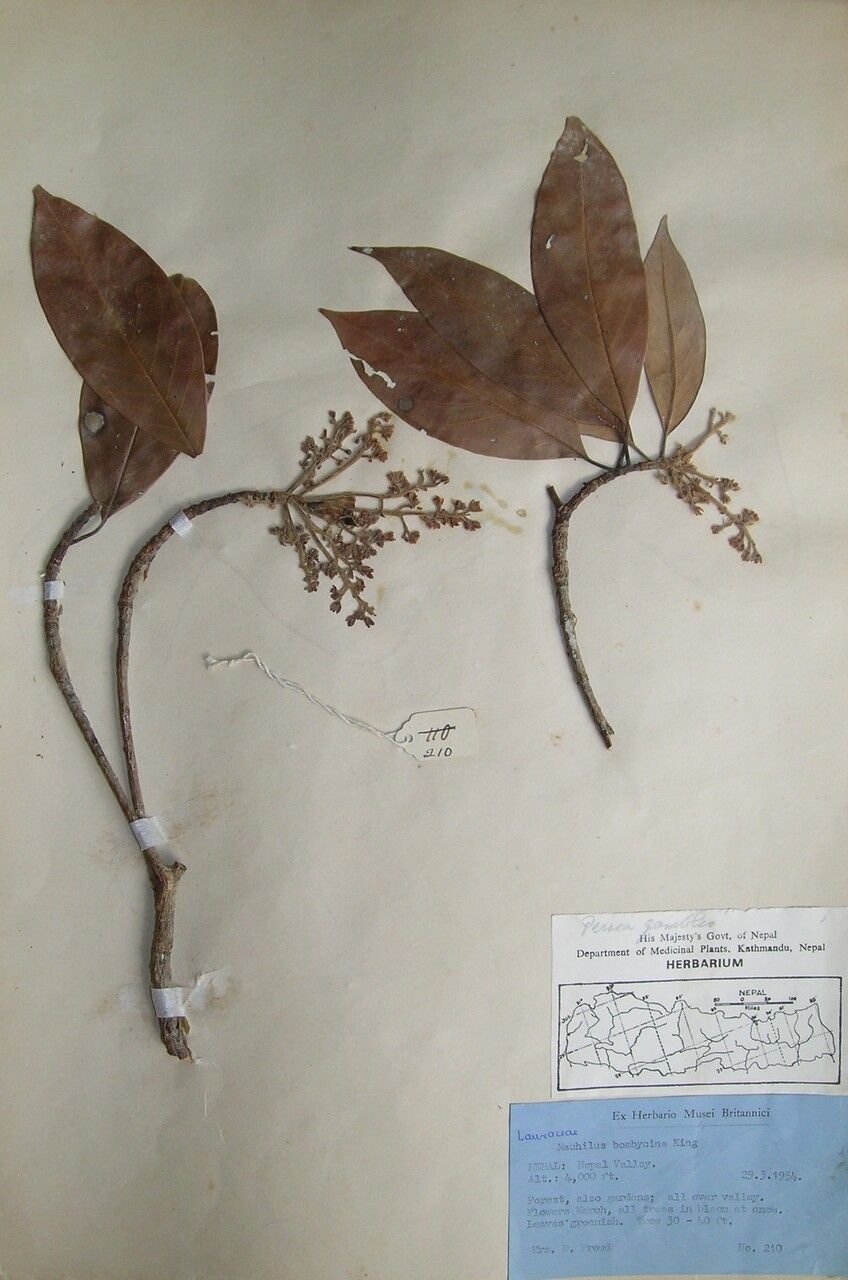
Oh, hello there, fellow plant enthusiast! I’m so glad you stopped by. Today, we’re diving into a truly special plant, Machilus pubescens. If you’re looking for a touch of the exotic and a plant that whispers of ancient forests, you’re in for a treat. Its lovely, often velvety leaves and graceful growth habit make it a real showstopper. And the best part? Propagating it yourself is incredibly rewarding. Now, while I wouldn’t call Machilus pubescens the absolute easiest plant for a complete beginner, it’s certainly very achievable with a little guidance. We’re going to learn how to coax new life from your existing beauties!
The Best Time to Start
For the highest success rate with Machilus pubescens, I always recommend spring or early summer. This is when the plant is in an active growth phase. We’re looking for semi-hardwood cuttings, meaning stems that have started to harden off but are still somewhat flexible – not the brand-new, tender tips, and definitely not the woody old stuff. Think of it as the perfect “just right” stage.
Supplies You’ll Need
Here’s what you’ll want to have on hand before you begin:
- Sharp, clean pruning shears or a razor blade: Essential for clean cuts.
- Rooting hormone: A good quality powder or gel will significantly boost your success.
- A well-draining potting mix: I like a blend of equal parts peat moss or coco coir, perlite, and a bit of sand. Your favorite store-bought succulent or houseplant mix can also work if you add extra perlite.
- Small pots or trays: With drainage holes, of course!
- Plastic bags or a propagation dome: To create a humid environment.
- Labels: To mark which cutting is which!
Propagation Methods
While Machilus pubescens can be a bit trickier than, say, a pothos, stem cuttings are generally your best bet for reliable results.
Stem Cuttings:
- Select your source: Find a healthy, non-flowering stem from your mature Machilus pubescens. Look for that semi-hardwood stage I mentioned – it should snap cleanly, not bend.
- Make the cut: Using your sharp shears or razor, take a cutting that is 4-6 inches long. Make your cut just below a leaf node (where a leaf meets the stem). This is where the magic happens for root development.
- Prepare the cutting: Strip off the lower leaves, leaving just a few at the very top. If any of the remaining leaves are very large, I like to cut them in half horizontally. This reduces water loss while still allowing for photosynthesis.
- Apply rooting hormone: Dip the cut end of the stem into your rooting hormone, tapping off any excess.
- Plant your cutting: Fill your small pots with your prepared potting mix. Make a small hole in the center with a pencil or your finger. Gently insert the cutting into the hole, ensuring the rooting hormone dust stays in contact with the soil. Firm the soil gently around the stem.
- Water gently: Water the potting mix thoroughly but carefully, so you don’t dislodge the cutting.
- Create humidity: Cover the pot with a plastic bag, making sure it doesn’t touch the leaves too much, or place it inside a propagation dome. You want to create a mini greenhouse effect.
- Find a good spot: Place the pot in a bright location with indirect light. Avoid direct sun, which can scorch the delicate cuttings.
The “Secret Sauce” (Pro Tips)
Here are a few little tricks I’ve learned over the years that can make a big difference:
- Bottom Heat is Your Friend: While not strictly necessary, placing your pots on a gentle heat mat can significantly speed up root formation. It mimics the warmth of spring soil and encourages those roots to get moving. Just make sure the heat isn’t too intense!
- Don’t Overwater! This is crucial. It’s far better to have slightly dry soil than waterlogged soil. Rot is the enemy of new cuttings. Check the moisture level by feeling the top inch of soil. Water only when it feels dry.
- A Little Airflow Helps: While you want humidity, completely sealing the cutting can lead to fungal issues. Open the plastic bag or prop open the dome for a few minutes each day just to allow for some air circulation.
Aftercare & Troubleshooting
Once you start seeing signs of growth – new leaves emerging or a gentle tug on the cutting encountering resistance – you’re on your way!
- Gradual acclimatization: As roots develop, gradually start introducing your new plant to less humid conditions. You can start by opening the plastic bag or dome for longer periods.
- Continue indirect light and careful watering.
- Watch for rot: The most common sign of trouble is a blackening, mushy stem, often at the soil line. This is almost always a sign of overwatering and poor drainage. If you see this, unfortunately, that cutting is likely lost. Start again with fresh material and be more mindful of watering. Another sign of failure is if the cutting starts to wither and dry up completely without any root development.
A Encouraging Closing
Propagating plants is an act of faith and patience. Some cuttings will take off beautifully, while others might be a bit shy. Don’t get discouraged if you have a few misses. Each attempt is a learning experience, and with each one, you’re honing your green thumb. Celebrate the successes, learn from the challenges, and most importantly, enjoy the quiet satisfaction of coaxing new life from your beloved Machilus pubescens. Happy propagating!
Resource:
https://identify.plantnet.org/k-world-flora/species/Machilus%20pubescens%20Blume/data