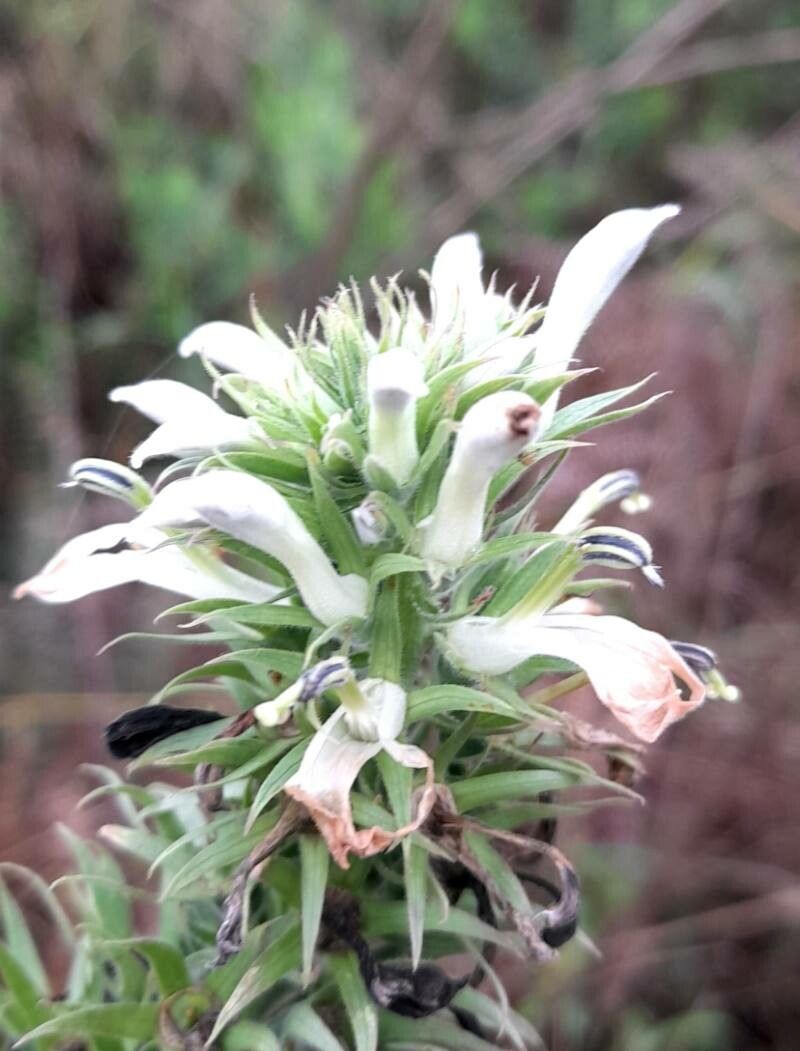
Hey there, fellow garden enthusiasts! Today, we’re diving into the wonderful world of Lobelia hassleri. If you’re like me, you adore those delicate, often vibrant blue flowers that just seem to dance in the garden. They add such a wonderful splash of color and movement, and the thought of having more of them is always a little thrill. Propagating Lobelia hassleri is a journey that’s definitely achievable, even for those just starting out. It’s so satisfying to see a tiny piece of plant transform into a flourishing new specimen.
The Best Time to Start
For the highest success rate with Lobelia hassleri, I find spring to be your best bet. Starting in early spring, just as new growth is really picking up, means your cuttings will have the entire growing season ahead of them to establish. You can also take cuttings later in the summer, but spring gives them a real head start.
Supplies You’ll Need
Here’s what you’ll want to gather before you begin:
- Sharp pruning shears or a clean knife: For taking clean cuts. Jagged cuts invite disease.
- Rooting hormone (optional but helpful): A powdered or liquid rooting hormone can really give your cuttings a boost.
- Potting mix: A light, well-draining mix is crucial. I like a blend of peat moss and perlite or a seed-starting mix.
- Small pots or trays: Clean containers with drainage holes.
- Plastic bags or a humidity dome: To maintain high humidity around your cuttings.
- Watering can or spray bottle: For gentle watering.
- Labels: So you don’t forget what you planted where!
Propagation Methods
Let’s get our hands dirty!
Stem Cuttings
This is my go-to method for Lobelia hassleri.
- Select a healthy stem: Look for a non-flowering stem that’s about 3-4 inches long. You want a piece that’s new growth, but not too soft.
- Make a clean cut: Using your sharp shears or knife, make a clean cut just below a leaf node. A leaf node is where a leaf attaches to the stem.
- Prepare the cutting: Gently remove the lower leaves, leaving just a few at the tip. This prevents them from rotting in the soil and redirects the plant’s energy to root development.
- Dip in rooting hormone (optional): If you’re using it, dip the cut end into the rooting hormone. Tap off any excess.
- Insert into potting mix: Make a hole in your prepared potting mix with a pencil or your finger and gently insert the cutting. Firm the soil gently around the stem.
- Water gently: Water the pot until the soil is moist but not waterlogged.
- Create humidity: Cover the pot with a plastic bag or place it in a humidity dome. Make sure the leaves aren’t touching the plastic if possible. Place it in a bright spot, but out of direct sunlight.
Water Propagation
This is a fun and visual method!
- Take stem cuttings: Follow steps 1-3 from the stem cuttings method.
- Place in water: Put the cuttings in a small jar or glass of clean water.
- Change water regularly: Replace the water every few days to keep it fresh and prevent rot.
- Wait for roots: You’ll start to see tiny white roots appearing within a few weeks.
- Pot up once roots are established: Once the roots are about an inch long, you can carefully transfer them to pots with potting mix.
The “Secret Sauce” (Pro Tips)
Here are a few things I’ve learned over the years that seem to make all the difference:
- Bottom heat is your friend: If you have a heat mat designed for seedlings, place your pots on it. This gentle warmth encourages root development from below, mimicking natural conditions and significantly speeding things up.
- Don’t overcrowd your cuttings: Give them a little room to breathe and grow. Overcrowding can lead to poor air circulation and increase the risk of fungal issues. Space them out in their pots or trays.
- Mist, don’t drown: While humidity is key, overwatering can be the downfall of a cutting. A light misting with your spray bottle from time to time, especially if you have good air circulation, is often enough. You want the soil to be consistently moist, not soggy.
Aftercare & Troubleshooting
Once you see signs of new growth on your cutting – whether it’s a new leaf emerging or the plant looking perkier – it’s a good sign that roots have formed.
- Gradually acclimate: If you’ve been using a humidity dome or plastic bag, slowly start to remove it over a few days. This helps the new plant adjust to the drier air.
- Water consistently: Keep the soil evenly moist. You can test this by sticking your finger about an inch into the soil. If it feels dry, it’s time to water.
- Watch for rot: The most common problem you’ll encounter is rot. This usually happens from too much moisture and poor air circulation. If you see parts of your cutting turning dark and mushy, it’s likely rot. Try to remove the affected part immediately and ensure better drainage and airflow.
- Fertilizing: Wait until you see robust new growth before thinking about feeding. Start with a diluted liquid fertilizer.
Closing Thoughts
Propagating plants is such a rewarding part of gardening. It connects you deeper with your plants and allows you to expand your collection without spending a fortune. Be patient with your Lobelia hassleri cuttings. Not every attempt will be a runaway success, but each one is a learning experience. Enjoy the process, celebrate the little victories, and before you know it, you’ll have a whole garden full of these delightful blooms. Happy propagating!
Resource:
https://identify.plantnet.org/k-world-flora/species/Lobelia%20hassleri%20Zahlbr./data