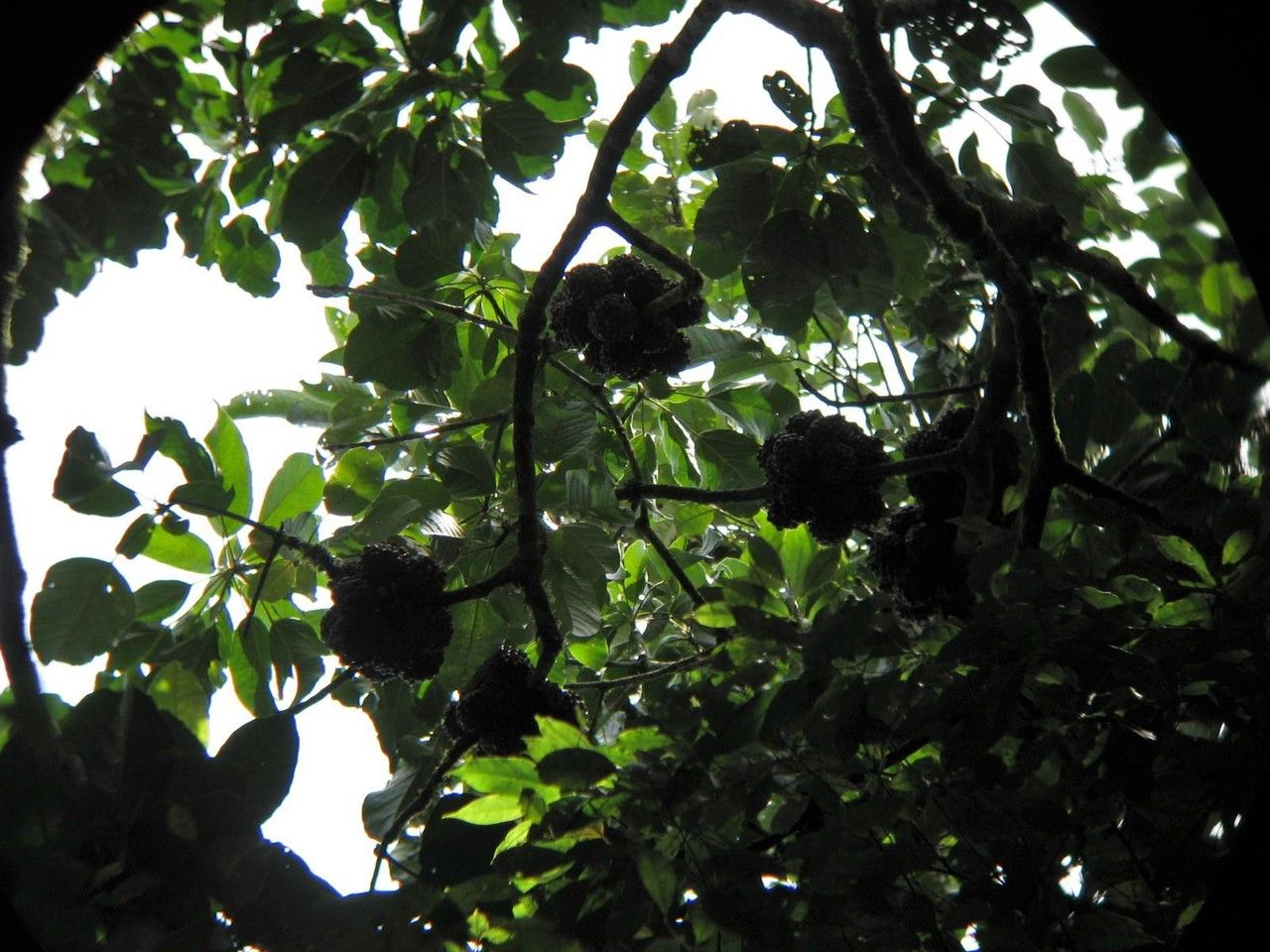
Hello green thumbs! I’m so excited to chat with you today about a truly delightful plant that’s been a quiet favorite of mine for years: Dendropanax alberti-smithii. It’s got these gorgeous, leathery leaves, often with a lovely sheen, and a wonderful, almost architectural growth habit. Plus, its unique foliage just brings a touch of the exotic to any collection.
Propagating Dendropanax alberti-smithii is a fantastic way to multiply your joy (and your plant family!). While it’s not an absolute beginner’s plant like a pothos, it’s certainly not the most stubborn either. With a little care and understanding, you’ll find yourself with new little babies in no time. I’d call it moderately rewarding, which makes the successes all the sweeter, in my book.
The Best Time to Start
For the highest chance of success with Dendropanax alberti-smithii, I’ve found that spring and early summer are your prime windows. This is when the plant is actively growing and has plenty of energy to put into developing roots. Starting a cutting when the plant is bursting with life just makes sense, doesn’t it? You’re essentially giving it the best possible start.
Supplies You’ll Need
Here’s what you’ll want to have on hand before you get digging (or snipping, in this case!):
- Sharp Pruning Shears or a Clean Knife: For making clean cuts. This is crucial!
- Rooting Hormone (Optional, but Recommended): A powder or gel can really give your cuttings a boost.
- A Well-Draining Potting Mix: I personally love a 50/50 blend of perlite and peat moss or coco coir. You can also buy commercial cactus/succulent mixes and amend them with extra perlite. The key is avoiding soggy soil at all costs.
- Small Pots or Trays: For your cuttings. Cleanliness is key here!
- Plastic Bag or Humidity Dome: To keep moisture levels high around your cuttings.
- Optional: Bottom Heat Mat: This can significantly speed up root development.
Propagation Methods
Let’s get our hands dirty with the two most reliable ways to propagate Dendropanax alberti-smithii.
Stem Cuttings
This is my go-to method for Dendropanax.
- Select a Healthy Stem: Look for a piece of stem that is semi-hardwood – not brand new and bright green, but not old and woody either. About pencil-thick is perfect.
- Make the Cut: Using your sterilized shears or knife, take a cutting that is about 4-6 inches long. Make the cut just below a leaf node (where a leaf attaches to the stem).
- Prepare the Cutting: Gently remove the lower leaves, leaving just a few at the top. This prevents them from rotting in the soil and encourages root growth.
- Apply Rooting Hormone: If you’re using rooting hormone, dip the cut end of the stem into the powder or gel, tapping off any excess.
- Plant Your Cutting: Fill your clean pot with your prepared potting mix. Make a small hole with your finger or a pencil and insert the cutting, ensuring the nodes where you removed leaves are below the soil surface. Gently firm the soil around the cutting.
- Water Gently: Give the pot a light watering to settle the soil. Avoid waterlogging.
- Create a Humid Environment: Place a plastic bag over the pot, creating a mini-greenhouse effect, or use a humidity dome. Make sure the leaves don’t touch the plastic if possible. You can use stakes to prop it up.
Water Propagation (Use with Caution)
While Dendropanax can technically root in water, I find it’s a bit more prone to rot than when started in soil. If you go this route:
- Prepare Your Cutting: Follow steps 1-3 from the stem cutting method.
- Place in Water: Put the cutting in a clean glass or jar filled with lukewarm water.
- The Golden Rule: Crucially, ensure no leaves are submerged in the water. Any leaves below the waterline will quickly rot and can take your entire cutting with them.
- Change Water Regularly: Change the water every few days to keep it fresh and oxygenated.
- Wait for Roots: You’ll see tiny white roots emerge from the nodes. Once these roots are about an inch long, it’s time to transition to soil. Be very gentle when potting up, as water roots are delicate.
The “Secret Sauce” (Pro Tips)
Here are a few nudges from my experience that might make your propagation journey smoother:
- Brown Thumb’s Best Friend: Bottom Heat! If you can, place your pots on a seedling heat mat. This gentle warmth from below mimics spring soil temperatures and can dramatically speed up root formation. It’s not strictly necessary, but it’s a game-changer.
- Patience is a Virtue (and Air Circulation Helps!): Resist the urge to constantly check for roots. Poke the soil gently to feel for resistance – that’s a good sign! Also, if you’re using a plastic bag, open it for a few minutes each day to allow for some air exchange. This helps prevent fungal issues.
- The “Heel” Trick: Sometimes, if you can carefully take a cutting from a slightly older, woodier branch, you can pull off a small sliver of the older wood with the new stem. This little “heel” can sometimes encourage faster rooting. Handle it gently if you try this!
Aftercare & Troubleshooting
Once you see new growth pushing through the soil – a surefire sign of roots! – it’s time to adjust their care.
- Acclimatization: Gradually remove the plastic bag or open the humidity dome over a week or two. Let the new plant get used to the ambient humidity.
- Light: Place your new Dendropanax in bright, indirect light. Avoid direct sun, which can scorch tender new leaves.
- Watering: Water when the top inch of soil feels dry. Err on the side of underwatering rather than overwatering. Ensure good drainage from the pot itself.
- Troubleshooting:
- Rotting Cuttings: This is the most common issue and is almost always due to overwatering and poor drainage. Ensure you’re using a well-draining mix and aren’t keeping the soil consistently soggy. Also, ensure those lower leaves aren’t sitting in water (if water propagating) or rotting on the soil surface.
- Wilting: This can happen if the cutting is too dry, or if it simply hasn’t rooted yet and can’t take up water. If the soil is dry, water gently. If it stays wilted, unfortunately, it might not have taken.
- No Rooting: Sometimes they just don’t take, and that’s okay! It’s part of the learning process. Try again, maybe with a different stem or at a slightly different time.
A Little Encouragement
Propagating plants is a journey of discovery, and each success, no matter how small, is a triumph. Don’t get discouraged if your first few attempts aren’t perfect. Celebrate the learning, enjoy the process of nurturing a new life, and soon you’ll have a whole collection of beautiful Dendropanax alberti-smithii to share! Happy gardening!
Resource:
https://identify.plantnet.org/k-world-flora/species/Dendropanax%20alberti-smithii%20Nevling/data