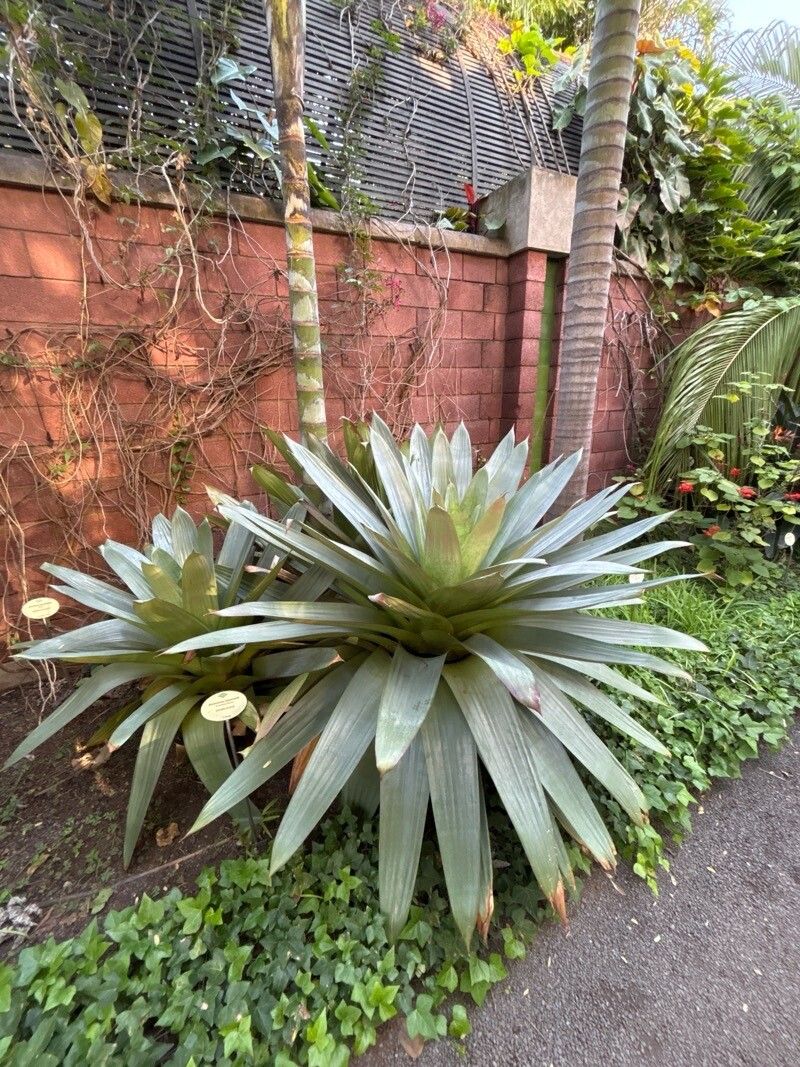
Hello there, fellow plant lovers! Today, we’re diving into the world of one of my absolute favorites: the magnificent Alcantarea imperialis. If you’ve ever seen these giants at a garden show or a botanical garden, you’ll know what I’m talking about. Their sheer size and dramatic, architectural leaves are simply breathtaking. They bring a touch of the exotic to any space, whether it’s a sunny patio or a well-lit conservatory.
There’s a special kind of joy in propagating these beauties yourself. It’s like unlocking a secret to endless, impressive greenery. Now, I won’t lie to you – propagating Alcantarea imperialis isn’t as straightforward as snipping a Pothos cutting. It requires a bit more patience and understanding. But trust me, the reward is absolutely worth the effort. For the true beginner, it might be a bit of a challenge, but with a few pointers, you’ll be well on your way.
The Best Time to Start
Timing is everything, as we gardeners know! The ideal window for propagating Alcantarea imperialis is generally during its active growing season, which is typically late spring through summer. This is when the plant is full of vigor and has the energy to put into developing new roots. You’ll have the most success if you work with healthy, mature plants.
Supplies You’ll Need
Before we get our hands dirty, let’s gather our tools. Think of these as your trusty companions in this propagation adventure:
- Sharp Pruning Shears or a Knife: For clean cuts that heal quickly. Sterilize them between uses!
- Well-Draining Potting Mix: A cactus or succulent mix is perfect. You can also create your own with equal parts potting soil, perlite, and coarse sand.
- Small Pots or Trays: Something that holds the soil nicely and allows for good airflow. Terra cotta pots are great because they breathe.
- Rooting Hormone (Optional but Recommended): This is your little boost of encouragement for root development.
- Spray Bottle: For gentle misting.
- Gloves: To keep your hands clean.
- Patience: The most crucial ingredient!
Propagation Methods
Alcantarea imperialis is primarily propagated by division. This means separating new plantlets that grow at the base of the mother plant. While you might hear about leaf cuttings or even seeds, division is by far the most reliable and straightforward method for home gardeners.
Division – Your Main Game Plan:
- Dig Gently: When your Alcantarea is actively growing, carefully excavate around the base of the mother plant. You want to expose the offsets (the small baby plants) that have started to form. I like to loosen the soil a good few inches away from the main plant to avoid damaging those precious roots.
- Identify Offsets: You’ll see smaller rosettes emerging from the sides or base of the mature plant. Look for ones that have their own distinct roots.
- Separate with Care: Using your sharp, sterile knife or shears, carefully cut the offset away from the mother plant. Try to get as many roots attached to the offset as possible. If an offset doesn’t have its own roots yet, don’t despair. It can still be successful, but it will take a bit longer to get established.
- Let it Callous: This is a crucial step! After separating, lay the offsets in a warm, dry, and shaded spot for a few days (or even a week). This allows the cut end to dry out and form a protective “callous.” This prevents rot when you pot it up.
- Potting Up: Once calloused, plant your new offset into a pot filled with your well-draining mix. Make sure the base of the rosette is at soil level, not buried too deeply.
- No Immediate Watering: Resist the urge to water right away! Wait at least a week before giving it its first gentle watering. This further reduces the risk of rot.
The “Secret Sauce” (Pro Tips)
After years of coaxing these beauties, I’ve picked up a few tricks that really make a difference:
- Bottom Heat is Your Friend: If you’re propagating in a cooler environment, placing the pots on a heat mat can significantly speed up root development. It mimics the warmth of the soil during its natural growing season.
- Don’t Overwater, Ever: This is the cardinal sin with succulents and bromeliads! They store water in their leaves and roots. It’s far better to err on the side of underwatering than to drown your new propagation. Check the soil moisture by sticking your finger in about an inch deep before you even think about watering.
- Air Circulation is Key: Good airflow around your new plants prevents fungal diseases. If you’re keeping them in a more enclosed space, a small fan set on low can work wonders.
Aftercare & Troubleshooting
Once your Alcantarea imperialis offsets have started to develop their own roots and show new growth (look for tiny new leaves emerging from the center), you can transition them to a slightly larger pot if needed. Continue watering sparingly, allowing the soil to dry out completely between waterings.
The most common sign of trouble is rot. If you see your cutting becoming mushy, black, or emitting a foul odor, it’s likely rot. This usually stems from too much moisture or inadequate airflow. If you catch it early, you might be able to salvage a healthy piece by cutting away the rotten parts and letting the healthy section callous over again. Another sign of not rooting is just… no progress. If after several weeks or months there’s still no sign of new growth, it might not have taken. Don’t be discouraged; sometimes propagation is a numbers game.
A Little Encouragement
So there you have it! Propagating Alcantarea imperialis is a journey, not a race. Be patient with your new plants, observe them closely, and trust the process. There’s nothing quite like nurturing a tiny offset into a magnificent specimen. Happy propagating, and may your gardens be ever-growing!
Resource: