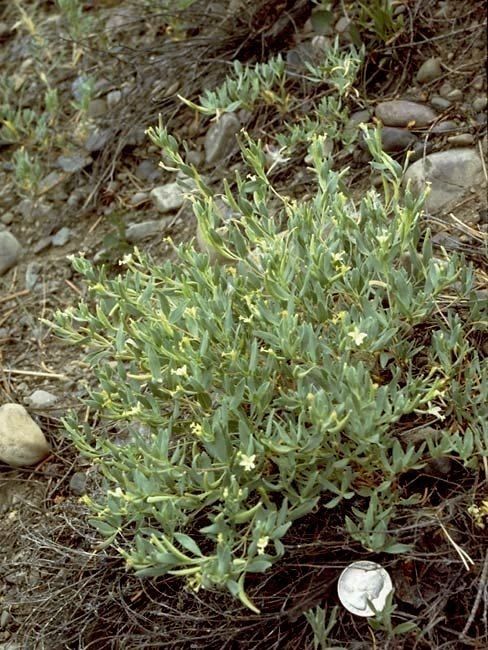
Ah, Epilobium suffruticosum! Or as many of us lovingly call it, the shrubby willowherb. If you’re drawn to those delicate, often vibrant blooms and enjoy a splash of cheerful color in your garden, you’re in for a treat. This lovely little shrub is a fantastic addition, and sharing its beauty by propagating it yourself is incredibly rewarding. Honestly, I find it quite forgiving, making it a wonderful plant for those just dipping their toes into the world of plant propagation. It’s definitely not a plant that’s going to present you with major headaches!
The Best Time to Start
For the best chance of success, I like to get my cuttings started in late spring or early summer. This is when the plant is actively growing and has plenty of vigorous, new stems to work with. You’re looking for stems that are somewhat soft and flexible, not woody and old. Think of it as capturing the plant at its peak energy!
Supplies You’ll Need
Gathering your tools beforehand can make the whole process smoother. Here’s what I usually have on hand:
- Sharp pruning shears or a clean knife: For taking clean cuts.
- Rooting hormone (optional but helpful): A powder or gel to encourage root development.
- A well-draining potting mix: I usually use a blend of perlite and peat moss or coir, about a 50/50 ratio. A specialized seedling mix works well too.
- Small pots or trays: Clean ones, of course!
- A plastic bag or propagator lid: To create a humid environment.
- Watering can with a fine rose: For gentle watering.
- Labels: To remember what you’ve planted where and when!
Propagation Methods
I’ve had great luck with a couple of main methods for Epilobium suffruticosum.
Stem Cuttings
This is my go-to for increasing my stock.
- Take your cuttings: Using your sharp shears, select healthy, non-flowering stems. Cut pieces about 4-6 inches long. Make sure your cuts are clean and just below a leaf node (where a leaf attaches to the stem).
- Prepare the cuttings: Gently remove the lower leaves from the cutting, leaving just a couple at the top. If any flower buds are present, pinch them off.
- Apply rooting hormone (if using): Dip the cut end of the stem into the rooting hormone, tapping off any excess.
- Plant the cuttings: Fill your small pots with your prepared potting mix. Make a small hole with a pencil or your finger and insert the cutting, ensuring the leaf nodes are below the soil surface. Gently firm the soil around the stem.
- Water gently: Water the pot thoroughly until you see water drain from the bottom.
- Create humidity: Cover the pot with a plastic bag, a propagator lid, or even a clear plastic bottle cut in half. This keeps the humidity high, which is crucial for cuttings to root. Place the pot in a bright spot out of direct sunlight.
Division
If you have an established plant that’s getting a bit large, division is a straightforward approach.
- Dig up the plant: In early spring before new growth really takes off, or in early autumn after flowering, carefully dig up your Epilobium suffruticosum.
- Separate the roots: Gently shake off excess soil. You should be able to see natural sections of the plant. Using your hands or a clean trowel, carefully pull or cut the root ball into smaller sections. Aim for each section to have a good amount of roots and at least one or two leafy shoots.
- Replant immediately: Plant your divisions back into the garden or into pots with fresh potting mix. Water them well.
The “Secret Sauce” (Pro Tips)
Here are a couple of little tricks I’ve learned over the years that really help:
- Don’t let the lower leaves touch the soil: This might sound simple, but it’s a big one. Those buried leaves can rot and invite fungal issues, which is the last thing you want with delicate cuttings.
- Bottom heat is your friend: While not always essential, placing your pots on a gentle heat mat can significantly speed up the rooting process. It mimics the warmth of summer soil and really encourages those roots to form.
Aftercare & Troubleshooting
Once your cuttings have rooted (you’ll know when you see new growth or feel a slight resistance when gently tugging), you can start to gradually introduce them to less humid conditions. Remove the plastic covering for a few hours a day, then increase that time until they are fully acclimatized. Continue to keep them consistently moist but not waterlogged.
The most common issue you might face is rot. If your cuttings start to look mushy or discolored, it’s usually a sign of too much moisture and not enough air circulation. Sadly, a rotted cutting is usually a lost cause, but learning from it is key. Always ensure your potting mix is free-draining, and don’t be shy about providing good airflow once roots have formed.
A Encouraging Closing
So there you have it! Propagating Epilobium suffruticosum is a rewarding journey. Be patient with your new little plants. Nature takes its course, and sometimes it takes a little longer than we expect. Enjoy the process, celebrate every new leaf, and soon you’ll have even more of these delightful shrubs to share with friends or to fill your garden with their charming blooms. Happy propagating!
Resource:
https://identify.plantnet.org/k-world-flora/species/Epilobium%20suffruticosum%20Nutt./data