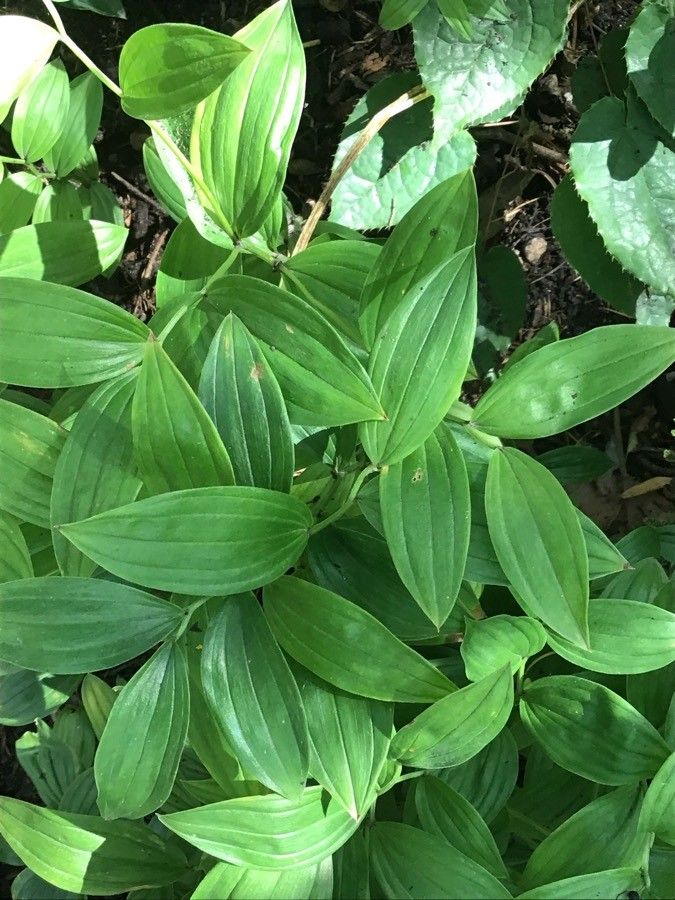
Hello there, fellow plant enthusiasts! Today, we’re diving into the delightful world of Disporum smilacinum, also known as Chinese fairy bells. If you haven’t met this beauty yet, imagine elegant, arching stems adorned with delicate, bell-shaped flowers, often followed by attractive berries. It brings a whisper of woodland magic to any shady corner of your garden. And the best part? Learning to propagate your own Disporum is incredibly rewarding. I’d say it’s a fairly straightforward plant to propagate for most gardeners, making it a great choice for those wanting to expand their collection without too much fuss.
When is the Magic Happening?
For Disporum smilacinum, the ideal time to propagate is in the spring, just as new growth begins to emerge. You’ll want to catch it before it really kicks into high gear for the summer. This is when the plant has plenty of energy stored from the previous season, and the warmer, longer days encourage quick root development.
Gearing Up for Success: What You’ll Need
Gathering your supplies beforehand makes the whole process smooth sailing. Here’s what I always have on hand:
- Sharp pruning shears or a clean knife: For taking cuttings or dividing roots. Sterilize them with rubbing alcohol between cuts to prevent disease.
- Small pots or trays: About 4-6 inches in diameter are perfect. Make sure they have drainage holes!
- Well-draining potting mix: I like a blend of equal parts peat moss, perlite, and a good quality potting soil. A little bit of compost can be nice, too.
- Rooting hormone (optional, but recommended): This gel or powder helps cuttings establish roots faster and more reliably.
- Watering can or spray bottle: For gentle watering.
- Plastic bags or a propagator: To create a humid environment for cuttings.
Unlocking the Secrets: Propagation Methods
There are a couple of reliable ways to get more Disporum from your existing plants.
1. Division: The Groundwork
This is arguably the easiest and most successful method for Disporum. It’s best done in early spring.
- Gently excavate: Carefully dig up the entire plant using your spade. Try to disturb the roots as little as possible.
- Identify your divisions: Look for the clump of roots. You’ll see where new shoots are emerging from older rhizomes.
- Separate with care: Using a clean, sharp tool (a trowel or even your hands if they separate easily), gently pull or cut apart sections of the root system. Aim for sections that have at least one healthy growth bud or shoot. Don’t worry if a few tiny roots break; the plant is tough.
- Replant immediately: Place your divisions into their new homes. Make sure the top of the root ball is at the same depth it was before. Water them in thoroughly.
2. Stem Cuttings: A Bit More Patience
This method requires a bit more attention but is very satisfying when it works.
- Take your cuttings: In the spring, select healthy, firm stems that are about 4-6 inches long. Make a clean cut just below a leaf node (the point where a leaf attaches to the stem).
- Prepare the cutting: Remove the lower leaves, leaving just a few at the top. This prevents them from rotting in the soil.
- Dip in rooting hormone: If you’re using it, lightly dip the cut end into the rooting hormone, tapping off any excess.
- Plant your cuttings: Stick the prepared cuttings about an inch deep into your moistened, well-draining potting mix in small pots or trays.
- Create humidity: Water gently, and then cover the pot with a clear plastic bag, securing it around the base with a rubber band. This traps moisture and creates a mini-greenhouse. You can prop the bag up with stakes if it touches the leaves.
The “Secret Sauce”: My Insider Tips
There are a few little tricks I’ve picked up over the years that really boost my propagation success.
- The ‘Air Layer’ Trick: For larger, established plants you might be hesitant to dig up entirely, try air layering. Make a small upward slice in a healthy stem (don’t cut it all the way off), insert a tiny piece of moss or a toothpick to keep it open, wrap it with moist sphagnum moss, and then enclose the moss ball with plastic wrap. Once roots form within the moss, you can cut below the roots and plant the whole thing. It takes longer, but it’s gentle on the parent plant.
- Bottom Heat is Your Friend: For stem cuttings, providing a little bottom heat can make a world of difference. A simple seedling heat mat placed under your pots will warm the soil and encourage faster root formation. You can often find these at garden centers.
- Don’t Rush the Water: When watering stem cuttings, be super gentle. I often use a watering can with a very fine rose or a mister to avoid dislodging the cuttings or compacting the soil. Allow the surface to dry slightly between waterings, but don’t let it turn to dust.
Nurturing Your New Sprouts: Aftercare & Troubleshooting
Once your divisions are replanted, give them a good watering and keep them consistently moist but not waterlogged. For your stem cuttings, keep that humidity high!
You’ll know your cuttings have rooted when you see new leaf growth and feel a slight resistance when you gently tug on them. This usually takes anywhere from 4 to 8 weeks, sometimes longer, so patience is key!
The most common issue you’ll encounter is rot, which usually happens when there’s too much moisture and poor air circulation. If you see stems turning mushy or black at the base, it’s a sign of rot. Unfortunately, there’s not much you can do once rot sets in, but you can prevent it next time by ensuring good drainage and proper watering. For divisions, if you see wilting, make sure they are getting enough water and are in a shady spot.
Happy Growing!
Propagating Disporum smilacinum is such a joy. It’s a chance to connect with your plants on a deeper level and to share their beauty with friends and family. Don’t be discouraged if your first attempt isn’t perfect. Gardening is always a learning process. Just keep at it, enjoy the journey, and soon you’ll have a whole host of these lovely fairy bells gracing your garden. Happy propagating!
Resource:
https://identify.plantnet.org/k-world-flora/species/Disporum%20smilacinum%20A.Gray/data