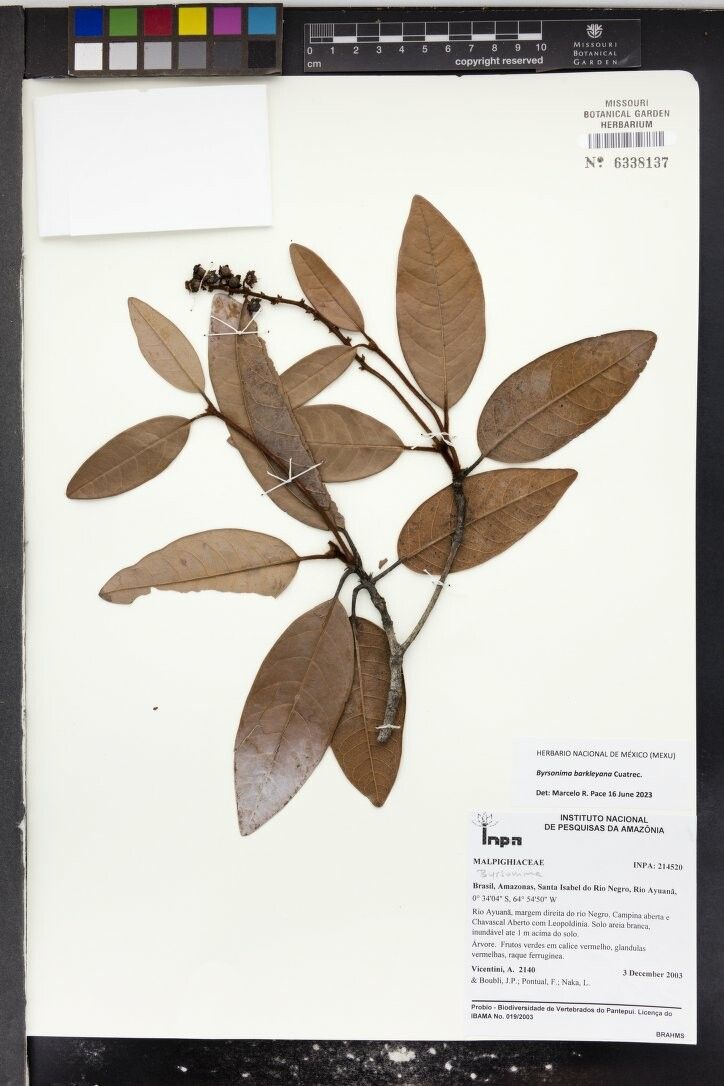
Nurturing New Life: Propagating Your Own Byrsonima punctulata
Oh, Byrsonima punctulata! If you’ve ever admired those delicate, star-shaped flowers, or the promise of its lush foliage gracing your garden, you’re not alone. This beauty is a real charmer, and there’s a special kind of joy in nurturing a brand-new plant from a piece of your existing one. It’s like having a little gardening superpower, isn’t it? You might be wondering if this is a project for the seasoned pro or if a beginner can jump in. I’d say it leans a bit towards the patient beginner. It’s not incredibly difficult, but it does require a bit of finesse and understanding.
The Sweet Spot for Starting
When it comes to getting the best bang for your propagation buck, late spring to early summer is often your best bet. This is when the plant is actively growing, putting out fresh, new shoots. These tender stems, often called “softwood cuttings,” are usually much easier to root than older, woody growth. Think of it as catching the plant in its most energetic phase.
What You’ll Need for Your Propagation Station
Gathering your supplies beforehand makes the whole process so much smoother. Here’s what I usually have on hand:
- Sharp Pruning Shears or a Clean Knife: For making clean cuts.
- Rooting Hormone (Powder or Gel): This isn’t always strictly necessary for every plant, but it gives your cuttings a real boost.
- Well-Draining Potting Mix: A good blend of perlite, peat moss, and a bit of coarse sand works wonders. You can also buy specific seedling or cutting mixes.
- Small Pots or Seed Trays: Clean, with drainage holes, of course!
- Plastic Bags or a Propagator Lid: To create a humid microclimate.
- Watering Can with a Fine Rose: For gentle watering.
- Labels and a Marker: So you don’t forget what you’ve planted and when!
Bringing Your Byrsonima to Life: Stem Cuttings
For Byrsonima punctulata, propagation by stem cuttings is usually the most successful and straightforward method. Here’s how I do it:
- Select Your Cuttings: Look for healthy, vigorous stems that are about 4-6 inches long. Gently bend a stem; if it snaps easily, it’s likely ready. Avoid any that have flowers or developing buds.
- Make the Cut: Using your clean shears or knife, make a clean cut just below a leaf node (that little bump where a leaf attaches to the stem). This is where the plant has a natural tendency to form roots.
- Prepare the Cutting: Carefully remove the lower leaves, leaving just two or three at the very top. This prevents them from rotting in the soil and encourages the plant to focus its energy on root development.
- Apply Rooting Hormone: Dip the cut end of the stem into your rooting hormone, tapping off any excess.
- Plant Your Cuttings: Make a small hole in your potting mix with a pencil or your finger, and gently insert the cutting. Firm the soil gently around the base.
- Create Humidity: Water the pot thoroughly with your fine-rose watering can. Then, cover the pot with a clear plastic bag (propping it up with sticks so it doesn’t touch the leaves) or place it under a propagator lid. This keeps the humidity high, which is crucial for preventing the cuttings from drying out while they try to root.
- Find a Warm Spot: Place the pot in a bright, but indirect light location. Avoid direct sunlight, which can scorch the delicate cuttings.
The “Secret Sauce”: My Tried-and-True Tips
Over the years, I’ve learned a few tricks that seem to make a real difference:
- Bottom Heat is Your Friend: If you have it, placing your pots on a heat mat designed for propagating can significantly speed up root development. It mimics the warmth of soil in warmer months and really encourages things to get going.
- Don’t Overwater! This is a big one. While humidity is key, soggy soil is the death knell for cuttings. Let the top layer of soil dry out slightly between waterings. If the leaves look a little wilted but the soil feels moist, wait a day or two.
- Watch for the ‘Wiggle Test’: After a few weeks, you can give your cuttings a very gentle tug. If you feel resistance, that’s a good sign roots are forming!
Aftercare and What to Watch For
Once you see signs of new growth – tiny new leaves unfurling or that resistance in the ‘wiggle test’ – you’re well on your way! Gradually acclimate your new plants to lower humidity by opening the plastic bag or propagator lid for increasing amounts of time each day. Continue to water gently when the top inch of soil feels dry.
Now, what if things don’t go as planned? The most common culprit is rot. If your cuttings turn dark, mushy, or start to smell off, it’s usually a sign they’ve been too wet and haven’t rooted. Don’t be disheartened! It happens to all of us. Just clear out the affected cuttings and soil, sterilize your pot, and try again. Another sign of failure is if the cuttings simply shrivel up and die, which often indicates they’ve dried out too much.
Patience is a Gardener’s Virtue
Propagating plants like Byrsonima punctulata is a beautiful exercise in patience and observation. There’s a real satisfaction in seeing a tiny bit of stem transform into a thriving new plant. Don’t set your expectations too high for your very first attempt. Just enjoy the process, learn from each cutting, and celebrate every tiny success. Happy propagating!
Resource:
https://identify.plantnet.org/k-world-flora/species/Byrsonima%20punctulata%20A.Juss./data