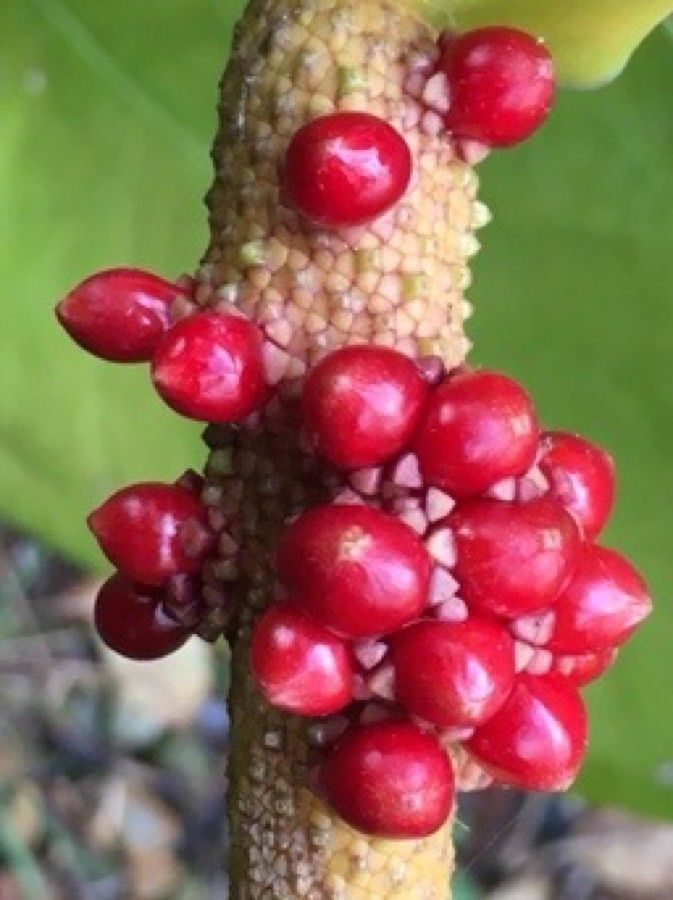
Hello there, fellow plant lovers! If you’ve ever fallen for the sleek, heart-shaped leaves of an Anthurium cordatum, you know the allure. It’s a stunning plant that brings a touch of the tropics right into our homes, and watching those glossy leaves unfurl is pure joy. And guess what? You can share that joy by propagating your own! It’s incredibly rewarding to take a small piece of your beloved plant and watch it grow into a whole new individual. Now, Anthurium cordatum isn’t the most beginner-proof plant to propagate, but with a little patience and the right approach, I promise you can do it.
The Best Time to Start
The sweet spot for propagating Anthurium cordatum is during its active growing season. Think late spring through summer. During these warmer months, the plant has plenty of energy to put into rooting and developing new growth. You’ll have the best chance of success when your plant is healthy and putting out new leaves.
Supplies You’ll Need
Here’s what you’ll want to have on hand before you get started:
- Sharp, sterile pruning shears or a clean knife: We want to make clean cuts to avoid damaging the plant.
- Rooting hormone (optional but recommended): This little helper can significantly speed up root development.
- A well-draining potting mix: I like a blend of peat moss, perlite, and orchid bark for good aeration. You can also use a pre-made aroid mix.
- Small pots: About 3-4 inch diameter pots work well for cuttings.
- Clear plastic bag or a propagation dome: This helps maintain humidity, which is crucial.
- Spray bottle: For misting.
- Perlite or sphagnum moss: For some propagation methods.
Propagation Methods
Let’s dive into the ways you can create new Anthurium cordatum plants.
Stem Cuttings
This is my go-to method for Anthuriums.
- Locate a healthy stem: Look for a stem that has at least two to three leaves and ideally a small aerial root near a leaf node. This node is where the magic happens – it’s packed with growth potential.
- Make the cut: Using your sterile shears, make a clean cut just below a leaf node. If you see an aerial root, try to include it in your cutting.
- Prepare the cutting: Remove any lower leaves that might end up submerged in soil or water. This prevents rot.
- Apply rooting hormone (optional): Dip the cut end of the stem into your rooting hormone powder or gel. Tap off any excess.
- Plant the cutting: Fill your small pot with your chosen well-draining mix. Make a small hole in the center and insert the cutting, ensuring the leaf node is buried. Gently firm the soil around the stem.
- Create a humid environment: Water the soil lightly. Then, place the pot inside a clear plastic bag or cover it with a propagation dome. Poke a few small holes in the bag to allow for some air circulation.
Water Propagation
If you’re hesitant about soil, water propagation is a great alternative for Anthuriums.
- Take your cutting: Follow steps 1-3 from the stem cutting method.
- Place in water: Find a clean jar or glass and fill it with room-temperature water. Place your cutting in the water, ensuring that the leaf node is submerged, but none of the leaves are touching the water.
- Positioning: If you don’t have an aerial root, this method might take a little longer. You can position the cutting so the node is in the water and the leaves are above.
- Change the water regularly: Every few days, refresh the water to keep it clean and oxygenated.
The “Secret Sauce” (Pro Tips)
Here are a few things I’ve learned over the years that can really give you an edge:
- Bottom Heat is Your Friend: For stem cuttings, placing the pot on a gentle heat mat designed for plant propagation can make a huge difference. Warmer soil encourages roots to develop much faster. It’s not strictly necessary, but it’s a game-changer!
- Don’t Overwater the Soil: It’s tempting to keep the soil constantly moist, but honestly, slightly damp is usually best. Too much moisture is the quickest way to invite rot, especially before roots have formed. Let the top inch of soil dry out a bit between waterings.
- Patience with Aerial Roots: If your cutting has a healthy aerial root, it’s a strong indicator of success. When taking cuttings, I specifically look for those little nubs, as they often convert into robust roots much faster.
Aftercare & Troubleshooting
Once you see roots forming (you might peek into the soil or see them emerge from drainage holes), it’s time to adjust your care.
- For rooted cuttings in soil: Gradually acclimate your new plant to lower humidity by slowly opening the plastic bag or dome over a week. Continue to keep the soil consistently moist but not waterlogged. You can start fertilizing with a diluted liquid fertilizer once you see new leaf growth.
- For water-propagated cuttings: Once you have a good cluster of roots, around an inch or two long, it’s time to pot them up. Use your well-draining potting mix, and water gently. Treat it like a newly potted plant.
The most common issue you’ll face is rot. If your cutting turns brown, mushy, or black, it’s likely rotted. This is usually due to too much moisture, poor air circulation, or unsterilized tools. If you catch it early, you might be able to cut away the rotten parts and try again, but often, it’s best to start fresh. Also, keep an eye out for wilting leaves. This can be a sign of shock, not enough water, or if the cutting is already too far gone.
A Encouraging Closing
Propagating Anthurium cordatum is a journey, not a race. There might be a few stumbles along the way, and that’s perfectly okay. Celebrate the little victories – a new root peeking out, a tiny leaf unfurling. Enjoy the process of nurturing something new into existence. Happy propagating!
Resource:
https://identify.plantnet.org/k-world-flora/species/Anthurium%20cordatum%20(L.)%20Schott/data