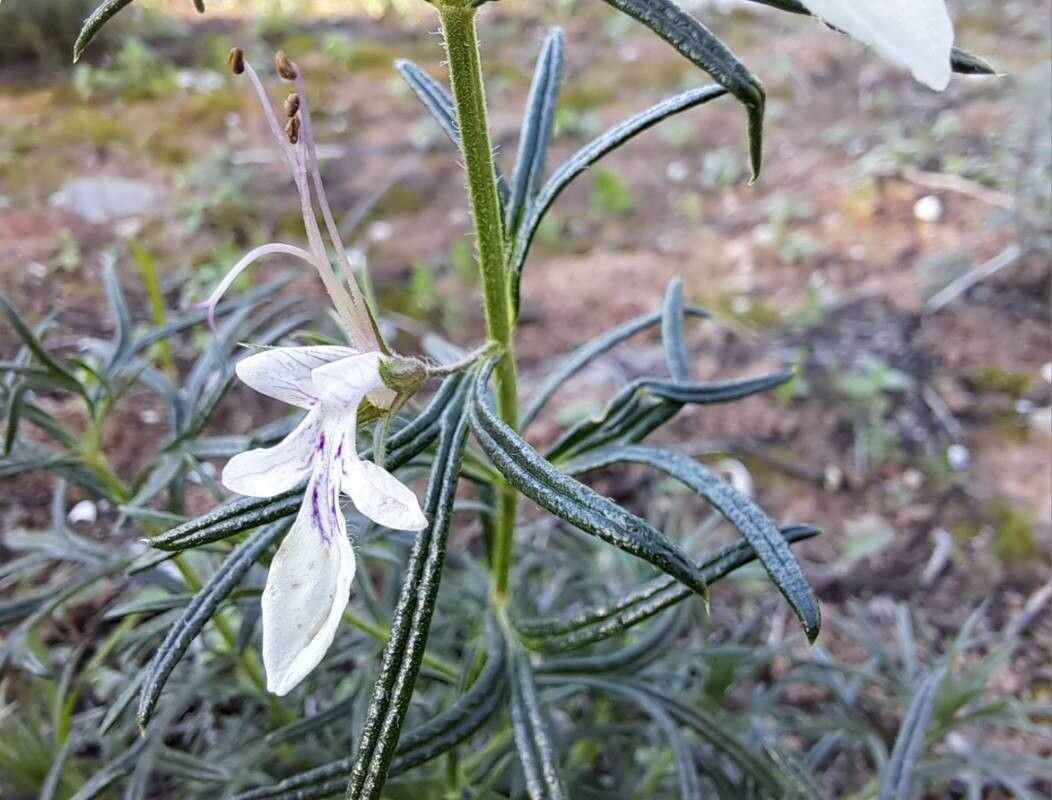
Oh, hello there, fellow garden enthusiast! I’m so delighted you’re curious about propagating Teucrium pseudochamaepitys. This little gem, often called the Yellow Germander or Ground Pine, is such a charming addition to any garden. Its low-growing habit and lovely yellow flowers bring a burst of sunshine to borders and rockeries. And the best part? Turning one plant into many is incredibly satisfying! For most home gardeners, especially if you’re just starting out, propagating this beauty is quite achievable.
The Best Time to Start
For the highest success rates with Teucrium pseudochamaepitys, I always recommend focusing your efforts in late spring to early summer. This is when the plant is actively growing, and the new shoots are still a bit soft but have started to firm up. Think of it like catching a plant at its most vigorous and eager to start anew. Waiting until this growth spurt gives your cuttings the best chance to establish themselves quickly.
Supplies You’ll Need
Gathering your tools before you begin makes the whole process smoother. Here’s what I usually have on hand:
- Sharp pruning shears or a clean, sharp knife: For making clean cuts.
- Potting mix: A well-draining mix is crucial. I like to use about a 50/50 blend of regular potting soil and perlite or coarse sand.
- Small pots or trays: Clean ones are a must to prevent disease.
- Rooting hormone (optional but recommended): This little booster can significantly increase your success rate.
- Watering can with a fine rose: For gentle watering.
- Plastic bag or propagator lid: To create a humid environment.
Propagation Methods
I find stem cuttings to be the most reliable and straightforward method for Teucrium pseudochamaepitys. Here’s how I do it:
- Select Your Cuttings: Look for healthy, vigorous stems on your parent plant. Aim for pieces that are about 4-6 inches long. Gently snap or cut them just below a leaf node (where a leaf attaches to the stem).
- Prepare the Cuttings: Remove the lower leaves from your cuttings, leaving just a few at the very top. This prevents them from rotting in the soil. If your cuttings are very long, you can even gently pinch off the tip to encourage bushier growth later.
- Apply Rooting Hormone (Optional): If you’re using rooting hormone, dip the cut end of each stem into the powder or gel. Tap off any excess.
- Plant Your Cuttings: Fill your small pots with the prepared well-draining potting mix. Make a small hole with a pencil or your finger, and insert the cut end of the stem into the soil, about an inch deep. Gently firm the soil around it.
- Water Gently: Water the soil thoroughly but gently. You want it to be moist, not waterlogged.
- Create Humidity: Place a clear plastic bag over the pot or use a propagator lid. This creates a mini-greenhouse effect, which is vital for preventing the cuttings from drying out before they root.
The “Secret Sauce” (Pro Tips)
After years of playing in the dirt, I’ve picked up a few tricks that seem to make all the difference:
- Bottom Heat is Your Friend: If you have a heat mat or can place your pots on top of a refrigerator (that gentle warmth from the motor!), applying bottom heat can dramatically speed up root development. It encourages those roots to grow stronger, faster.
- Don’t Be Afraid to Pinch: Once your cuttings have taken root and you see new growth, don’t hesitate to pinch off the very tip of the new growth. This might seem counterintuitive, but it encourages the plant to branch out, resulting in a much fuller, bushier plant in the long run.
- Observe the Soil Moisture Closely: While you want to keep the soil consistently moist, avoid letting the pots sit in standing water. This is a fast track to rot. I often lift the pots; if they feel light, it’s time for a gentle watering. Keep an eye on that humidity inside your propagator too – you want condensation, but not excessive dripping.
Aftercare & Troubleshooting
Once you start to see signs of new growth – tiny leaves appearing at the top – that’s a great indication that roots are forming! You can gently tug on a cutting. If there’s resistance, roots have likely developed.
Begin hardening off your new plants slowly. This means gradually exposing them to the outside air over a week or two. Start by taking the plastic bag off for a few hours each day, then eventually leave it off entirely. Once they are robust enough, you can transplant them into their own individual pots or directly into their permanent garden spot.
The most common issue you might encounter is rot. If you see your cuttings turning black and mushy, it’s usually a sign of too much moisture and not enough air circulation. Ensure your soil mix is draining well, and remove any affected cuttings immediately to prevent it from spreading.
A Encouraging Closing
Don’t get discouraged if not every cutting takes. Gardening is all about patience and learning! Embrace the process, observe your plants, and celebrate those little victories. Soon you’ll have a whole collection of Yellow Germander to share or enjoy. Happy propagating!
Resource:
https://identify.plantnet.org/k-world-flora/species/Teucrium%20pseudochamaepitys%20L./data