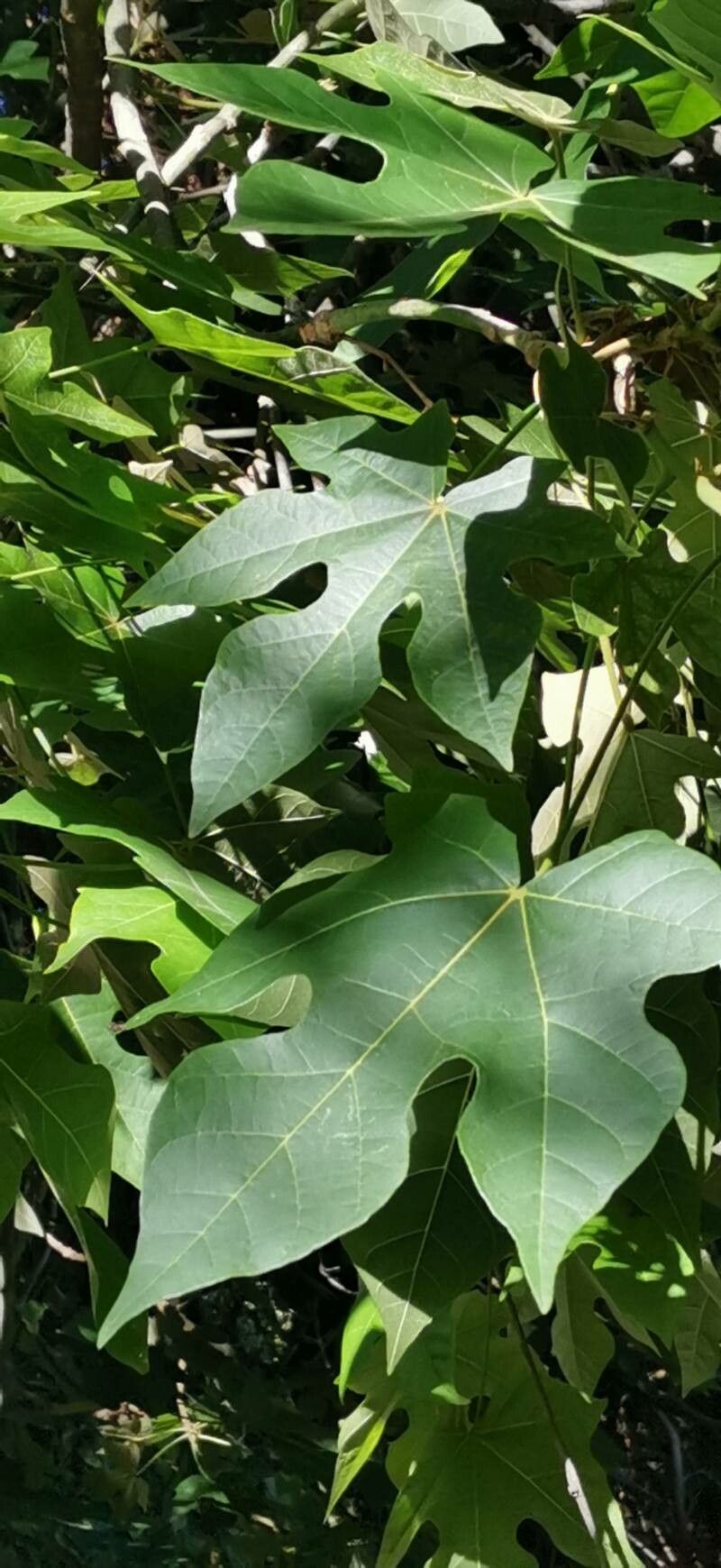
Hey there, fellow plant lovers! I’m so excited to share one of my all-time favorite plants with you today: the ever-charming Firmiana simplex, also known as the Chinese parasol tree or happy tree. Why the happy tree? Well, just look at those gorgeous, big, umbrella-like leaves! They bring a wonderful tropical vibe to any garden, and they grow surprisingly fast, giving you that lush, established look in no time.
If you’re looking for a rewarding project, propagating your own Firmiana simplex is a fantastic choice. For those of you just dipping your toes into the world of plant propagation, I’d say Firmiana is moderately easy. It’s not quite as foolproof as a pothos, but with a little attention, you’ll be rewarded with a whole new generation of these beauties.
The Best Time to Start
When it comes to Firmiana simplex, late spring to early summer is your golden window. This is when the plant is actively growing, and its stems are full of stored energy, making them more receptive to rooting. Look for new growth that’s firm but not woody – you want that pliable, vibrant green. Trying to propagate during dormancy usually just doesn’t yield the same enthusiastic results.
Supplies You’ll Need
Here’s what you’ll want to have on hand before you get started:
- Sharp Pruning Shears or a Clean Knife: For making clean cuts.
- Rooting Hormone (Optional, but Recommended): A powder or gel to encourage root development.
- Well-Draining Potting Mix: I like a blend of perlite, peat moss, and a bit of coarse sand. You can also buy specific succulent or cactus mixes.
- Small Pots or Containers: For your cuttings. Clean ones are key!
- Watering Can with a Fine Rose: For gentle watering.
- Plastic Bag or Propagator Lid: To create a humid environment.
- Bottom Heat Source (Optional, but Highly Beneficial): A heat mat can significantly speed up rooting.
Propagation Methods
Let’s dive into how we get these lovely trees started!
Stem Cuttings
This is my go-to method for Firmiana simplex. It’s straightforward and usually quite successful.
- Select Your Cutting: Find a healthy stem on your mature plant that’s about pencil thickness and has at least two to three leaf nodes. A node is where a leaf attaches to the stem.
- Make the Cut: Using your sharp shears, make a clean cut just below a leaf node. This is where the magic happens, where roots are most likely to form.
- Prepare the Cutting: Gently remove the lower leaves, leaving just one or two at the very top. If your leaves are very large, you can even cut them in half to reduce water loss through transpiration.
- Apply Rooting Hormone: Dip the cut end of the stem into your rooting hormone powder or gel, coating the bottom inch or so. Tap off any excess.
- Plant Your Cutting: Make a small hole in your prepared potting mix with your finger or a pencil. Insert the cutting into the hole, ensuring the lower nodes are buried. Gently firm the soil around the stem.
- Water Gently: Water the soil thoroughly but gently. You don’t want to dislodge your cutting.
- Create Humidity: Cover the pot loosely with a plastic bag or place it inside a propagator. Make sure the leaves aren’t touching the plastic if possible.
Water Propagation (Less Common, but Possible)
While cuttings in soil are generally more robust, you can try water propagation for Firmiana simplex.
- Prepare the Cutting: Follow steps 1-3 from the stem cuttings method.
- Place in Water: Put the cutting in a clean jar or vase filled with fresh water.
- Positioning is Key: Make sure that the leaf nodes are submerged in the water, but the leaves themselves are not. This is crucial to prevent rot.
- Change Water Regularly: Change the water every 2-3 days to keep it fresh and oxygenated.
- Patience: Roots will eventually appear, but it can take longer than in soil. Once you have a decent root system (at least an inch or two long), you can carefully transplant it into potting mix.
The “Secret Sauce” (Pro Tips)
These are a few little tricks I’ve learned over the years that make a big difference:
- Bottom Heat is Your Best Friend: If you can, place your potted cuttings on a gentle heat mat. This mimics the warmth of spring soil and drastically speeds up root formation, often cutting the rooting time in half. It’s a game-changer!
- Don’t Overwater! This is probably the most common mistake. Cuttings in a humid environment need moisture, but waterlogged soil is a recipe for rot. The soil should feel consistently moist, but never soggy. Err on the side of slightly dry rather than too wet.
- A Little Shade Goes a Long Way: Once you’ve potted your cuttings and created humidity, keep them out of direct sunlight. Bright, indirect light is perfect. Too much sun can scorch those delicate new leaves and dry out the cutting too quickly.
Aftercare & Troubleshooting
Once you start seeing signs of life – little white nubs poking out from the soil along the stem or new tiny leaves unfurling – you’re in business!
- Transition Gradually: If you’ve covered your cutting with a plastic bag, gradually acclimate it to open air. Start by removing the bag for a few hours each day, then for longer periods over a week.
- Continue Gentle Watering: Keep the soil consistently moist but not wet. As the plant grows, you can slowly transition to a regular watering schedule.
- Patience with Repotting: Don’t rush to repot into a larger container. Let the new plant establish a good root system in its current pot. You’ll know it’s ready when roots start to peek out of the drainage holes.
Troubleshooting:
- Wilting or Drooping: This could be a sign of dehydration or too much sun. Check the soil moisture and move it to a shadier spot.
- Yellowing Leaves: Overwatering is a common culprit here, leading to root rot. Ensure good drainage and let the soil dry out a bit between waterings.
- Rotting Stem: If you notice the base of your cutting turning black and mushy, it’s likely rot. Unfortunately, this is often the end of that particular cutting. It’s a reminder to be extra careful with moisture levels.
A Little Encouragement
Propagating plants is a journey, and like any good journey, it takes a bit of patience and a willingness to learn. Don’t get discouraged if your first attempt isn’t perfect. Every plant you try to propagate is an opportunity to get to know nature a little better. Celebrate the successes, learn from the challenges, and most importantly, enjoy the process of growing something new! Happy propagating!
Resource:
https://identify.plantnet.org/k-world-flora/species/Firmiana%20simplex%20(L.)%20W.Wight/data