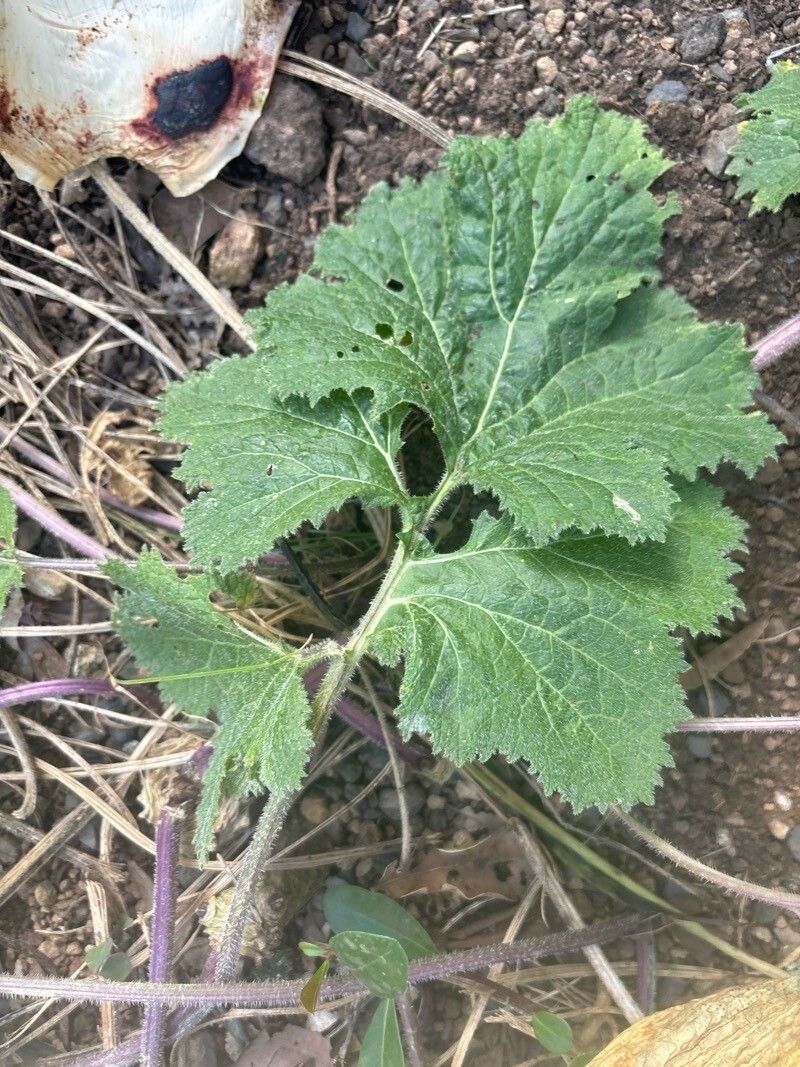
Hello fellow garden enthusiasts! It’s so lovely to have you here. Today, we’re going to talk about a plant that’s really captured my heart: Crambe tataria. If you’ve ever seen this beauty with its delicate, airy blooms that seem to float above the foliage, you know exactly why it’s so special. It brings such a lovely texture and a touch of wild elegance to any garden space.
Propagating Crambe tataria isn’t just about getting more plants; it’s about connecting with nature, understanding its life cycle, and the pure joy of coaxing new life from a parent plant. Many gardeners find it a bit intimidating at first, but honestly, with a little guidance, it’s a wonderfully rewarding endeavor. So, let’s dive in and see how we can bring more of this magic into our lives!
The Best Time to Start
My favorite time to get Crambe tataria underway is in late spring to early summer. This is when the plant is actively growing, and the stems have developed a good bit of strength. You’re looking for those semi-hardwood cuttings – not the super soft, brand new shoots, and not the woody, mature stems. They should be flexible but firm, snapping cleanly rather than bending. This stage gives them the best chance of rooting successfully. Patience is key; sometimes waiting for that perfect growth spurt is all it takes.
Supplies You’ll Need
Gathering your tools before you start makes the whole process smoother. Here’s what I always have on hand for propagating Crambe tataria:
- Sharp, clean pruning shears or a sharp knife: Essential for making clean cuts that heal well. Sterilize them with rubbing alcohol to prevent disease.
- Rooting hormone powder or gel: This isn’t strictly mandatory, but it can significantly boost your success rate, especially for trickier propagations.
- Coarse, well-draining potting mix: A mix of perlite, vermiculite, and peat moss or coco coir works wonderfully. You want something that drains fast to prevent rot. I often add a bit of sharp sand to my mix for extra aeration.
- Small pots or seed trays with drainage holes: Clean pots are crucial.
- A clear plastic bag or a propagation dome: This creates a humid environment for your cuttings.
- Watering can with a fine rose or a spray bottle: Gentle watering is key.
- Labels and a permanent marker: Don’t underestimate how fast you forget which cutting is which!
Propagation Methods
Crambe tataria can be propagated in a couple of ways, but for ease and good success rates, I lean towards stem cuttings and division.
Stem Cuttings
This is my go-to method for Crambe tataria. It’s incredibly satisfying to see a little stem turn into a mature plant!
- Take Your Cuttings: In late spring or early summer, select healthy, non-flowering stems. Using your sterile shears, take cuttings that are about 4-6 inches long. Make a clean cut just below a leaf node (where a leaf attaches to the stem).
- Prepare the Cuttings: Gently remove the leaves from the bottom half of the cutting. You want to expose at least two leaf nodes below the soil line. If the remaining leaves are very large, you can cut them in half horizontally to reduce water loss through transpiration.
- Apply Rooting Hormone: Dip the cut end of each cutting into your rooting hormone powder or gel. Tap off any excess.
- Plant the Cuttings: Fill your small pots with your prepared, well-draining potting mix. Moisten the mix thoroughly but don’t make it soggy. Make a small hole in the center of the pot with your finger or a pencil.
- Insert and Firm: Place the prepared cutting into the hole, ensuring the lower leaf nodes are below the surface of the soil. Gently firm the soil around the cutting to hold it in place.
- Create a Humid Environment: Water very gently again, then cover the pot with a clear plastic bag (supported by stakes so it doesn’t touch the leaves) or place it inside a propagation dome. This traps humidity, which is vital for cuttings to root.
- Placement: Put the pots in a bright spot with indirect light. Avoid direct sun, which can scorch the delicate cuttings and overheat the enclosed environment.
Division
If you have an established Crambe tataria plant, division is a wonderfully straightforward way to multiply your collection.
- Timing is Key: The best time to divide is in early spring as new growth begins to emerge, or in early autumn after the flowering period.
- Carefully Excavate: Gently dig around the base of the plant, being careful not to damage the root ball. Lift the entire plant out of the ground.
- Assess the Roots: Look at the root system. You’re searching for natural divisions – clumps of roots that look like they can be separated without tearing.
- Divide and Conquer: Using your hands or a clean, sharp spade, gently pull or cut the root ball apart into sections. Each section should have a good amount of roots and at least one healthy shoot or bud.
- Replant Immediately: Get your divisions back into the ground or into pots with fresh potting mix as quickly as possible. Water them well to help them settle in.
The “Secret Sauce” (Pro Tips)
Over the years, I’ve picked up a few little tricks that really make a difference.
- Bottom Heat is Your Friend: For stem cuttings, placing your pots on a heated propagation mat can dramatically speed up root development. It mimics the warmer soil temperatures of spring and encourages roots to form faster. You can find these online for a reasonable price.
- Don’t Let Leaves Drown: When watering your cuttings, whether in pots or during water propagation (which I find less successful for Crambe tataria but some people try), ensure no leaves are submerged in water. Rot sets in very quickly when leaves sit in stagnant water.
- Air Circulation is Crucial: While you need humidity, don’t seal the propagation completely shut indefinitely. Once you start seeing signs of rooting, I like to gradually increase ventilation by opening the plastic bag or propagation dome for a few hours each day. This helps the new plant harden off and prevents fungal issues.
Aftercare & Troubleshooting
Once you see tiny white roots poking out of the drainage holes or new growth pushing up vigorously, celebrate! That’s your signal that your cutting has successfully taken.
- Acclimate Slowly: Begin by gradually removing the plastic bag or dome for longer periods each day. This helps the new plant adjust to the drier air of your home or garden.
- Transplant with Care: Once the roots are well-established and filling the pot, it’s time to transplant your new Crambe tataria into a slightly larger pot or its permanent garden spot. Handle the delicate roots gently.
- Water Regularly: Keep the young plants consistently moist, but never waterlogged. Aim for soil that feels like a wrung-out sponge.
- Watch for Rot: The most common problem you’ll face is rot, which looks like blackening and mushy stem bases or leaves. This is usually due to overwatering and poor drainage. If you spot it, try to remove the affected part immediately and improve drainage. Sometimes, you might need to start over with a new cutting.
- Patience with Growth: Don’t expect rapid growth from your new babies immediately. They need time to establish their root system. Be patient; they’ll surprise you with their progress.
A Encouraging Closing
Propagating Crambe tataria is a journey, and like any good journey, it’s best enjoyed one step at a time. Don’t be discouraged if your first attempts aren’t perfect. Gardening is a wonderful learning process, and each plant you nurture strengthens your connection to the green world around you. So, grab your clippers, embrace the messy fun, and enjoy the beautiful reward of growing your own Crambe tataria. Happy gardening!
Resource:
https://identify.plantnet.org/k-world-flora/species/Crambe%20tataria%20Sebeók/data