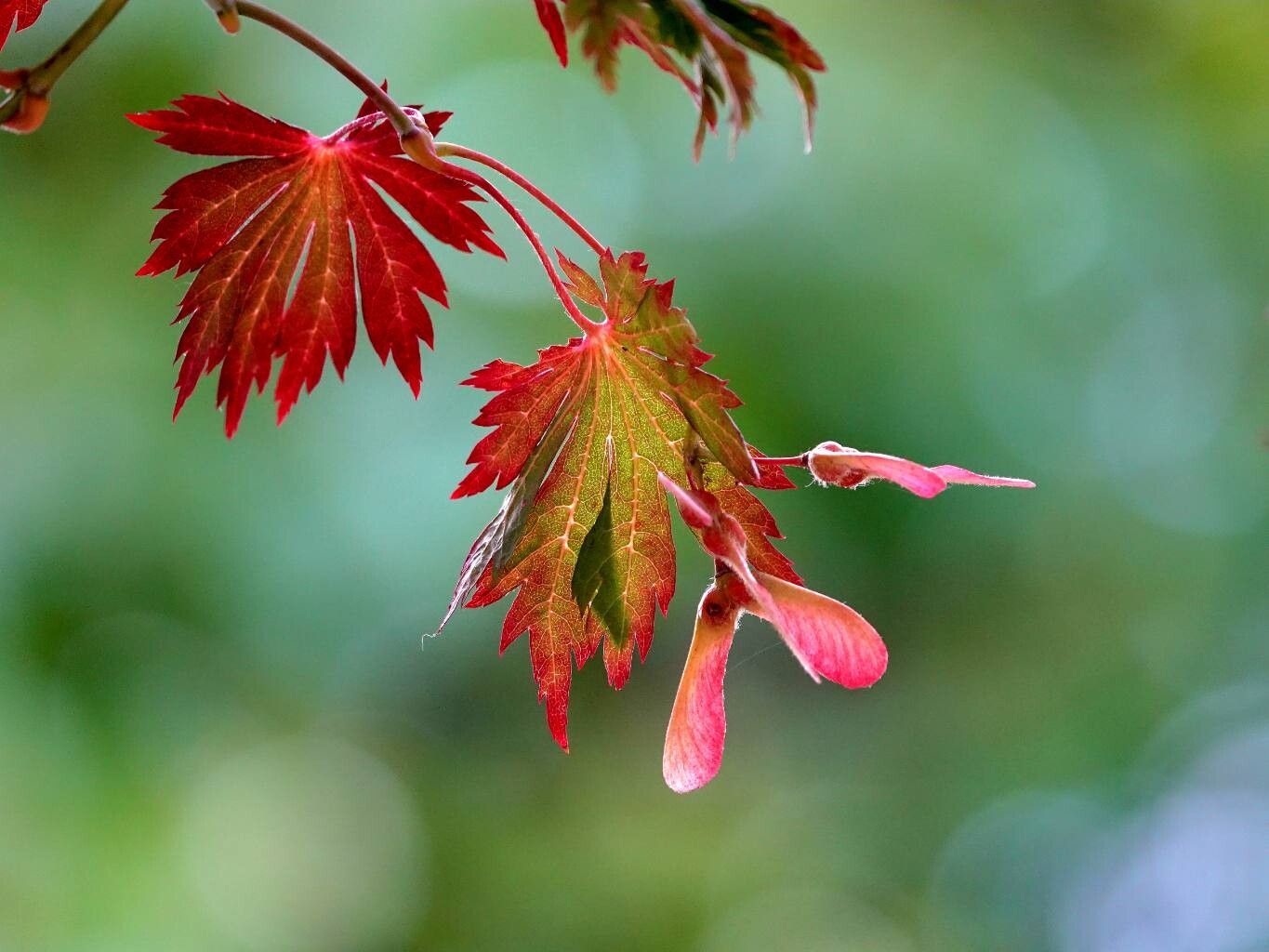
Hello there, fellow garden enthusiasts! Today, we’re diving into the beautiful, delicate world of the Japanese Maple, specifically Acer japonicum, often called the Full Moon Maple. I’ve spent countless hours with these beauties over the years, and let me tell you, coaxing a new one into existence from a parent plant is one of the most satisfying gardening achievements. They’re not the absolute easiest plant to propagate, mind you, but with a little patience and guidance, you can absolutely succeed.
The Best Time to Start
For Full Moon Maples, the sweet spot is late spring to early summer. This is when the plant is in active growth, making it more receptive to propagating and more likely to produce those vital roots. You want to catch your maple in that vigorous flush of new growth.
Supplies You’ll Need
Here’s what you’ll want to have on hand:
- Sharp, sterile pruning shears or a clean knife: Essential for making clean cuts. Rust or disease can be a death sentence for cuttings.
- Rooting hormone: This really gives your cuttings a boost, encouraging root development. Gel or powder works well.
- Well-draining potting mix: A good blend of peat moss, perlite, and compost is ideal. You want something that holds moisture but doesn’t become waterlogged. For a ready-made option, a seed starting mix often works beautifully.
- Small pots or seedling trays: Clean pots are a must! Anything from tiny peat pots to repurposed yogurt containers (with drainage holes, of course!) will do.
- Plastic bags or a propagation dome: This creates a humid environment, which is crucial for cuttings.
- A spray bottle: For misting your cuttings.
- Optional: Heating mat: This provides gentle bottom warmth and can significantly speed up rooting.
Propagation Methods
While you can try a few things, stem cuttings are generally the most successful method for Acer japonicum.
Here’s how to get started:
- Take Your Cuttings: On a cool, overcast morning, select healthy, semi-hardwood stems from a mature plant. These are stems that are not brand new and soft, but also not fully hardened and woody. You’re looking for stems that are flexible but have a bit of firmness to them.
- Make the Cut: Using your sterile shears, take cuttings about 4-6 inches long. Make the cut just below a leaf node (where a leaf attaches to the stem).
- Prepare the Cuttings: Gently remove the lower leaves, leaving just one or two at the very top. This reduces water loss. If the remaining leaves are very large, you can carefully cut them in half horizontally to further decrease water loss while still allowing for photosynthesis.
- Dip in Rooting Hormone: Moisten the cut end of the stem slightly with water, then dip it into your rooting hormone. Tap off any excess powder or gel.
- Plant Your Cuttings: Fill your clean pots with your prepared potting mix. Make a small hole with a pencil or your finger and insert the treated end of the cutting, ensuring at least one leaf node is buried. Gently firm the soil around it.
- Create Humidity: Water the soil gently. Then, cover the pot with a plastic bag, securing it around the rim with a rubber band, or place it under a propagation dome. Another option is to place the pots inside a larger clear plastic bag.
The “Secret Sauce” (Pro Tips)
- Ah, the little things that make a big difference! One thing I’ve learned is to keep those remaining leaves out of the water if you’re using a method where they might dip. This prevents rot from setting in before roots can even think about forming.
- And here’s a game-changer: bottom heat! Place your pots on a seedling heat mat set to a constant, gentle temperature (around 70-75°F). This warmth encourages root formation from below, even if the air temperature is cooler. It’s like a cozy little spa for your cuttings.
- Don’t overcrowd your pots. Give each cutting a little breathing room. It helps with air circulation and reduces the chances of fungal issues spreading.
Aftercare & Troubleshooting
Once your cuttings are planted and covered, place them in a bright, indirect light location. Avoid direct sun, which can scorch them. Mist the inside of the plastic bag or dome daily to maintain high humidity.
The real magic happens when you start to see new leaf growth on your cuttings. This is usually a good indicator that roots are forming below the surface. Give them a gentle tug after a few weeks – if there’s resistance, you’ve got roots! You can also carefully tip the pot to peek at the root development.
If you see yellowing leaves or mushy stems, that’s usually a sign of rot, often from too much moisture or poor air circulation. Don’t despair! Remove the affected cuttings immediately. Ensure your soil is draining well, and consider leaving the plastic bag slightly ajar for a day or two to let some air in.
A Encouraging Closing
Growing a new plant is a journey, and with Japanese Maples, it’s a journey that asks for a touch of patience. Celebrate every little bit of new growth, learn from any setbacks, and remember the joy of nurturing something from a tiny start into its own magnificent being. You’ve got this! Happy gardening!
Resource:
https://identify.plantnet.org/k-world-flora/species/Acer%20japonicum%20Thunb./data