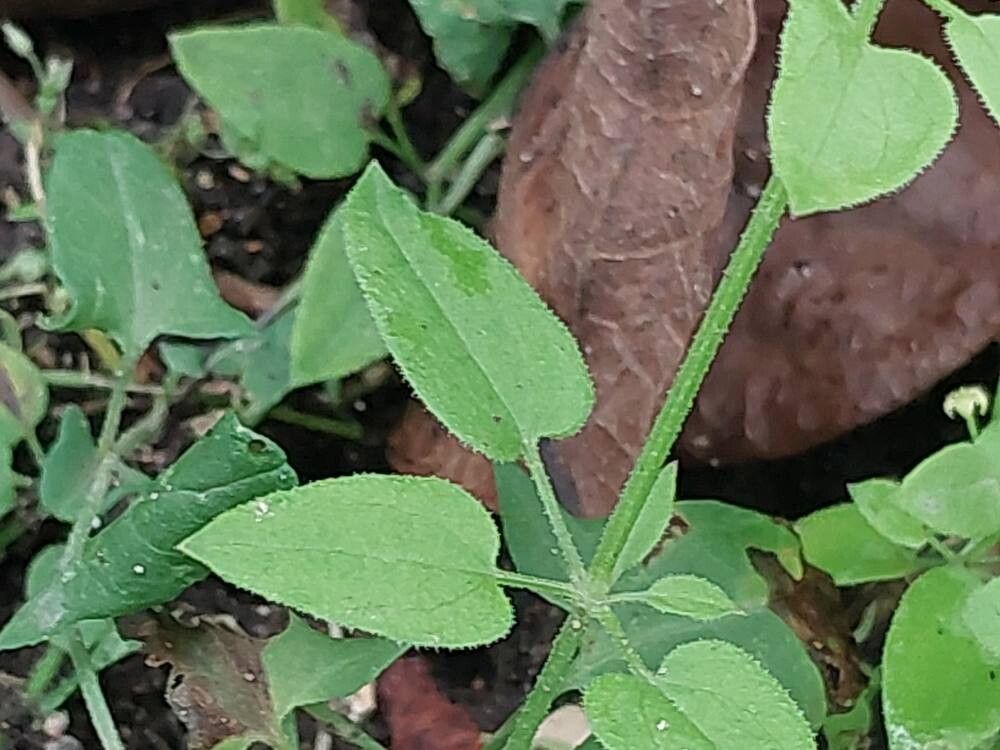
Hello, fellow plant lovers! Today, I’m practically buzzing with excitement to share one of my absolute favorite plants with you: Rubia cordifolia. You might know it better as Indian Madder or Manjishtha. It’s a vining wonder with lovely heart-shaped leaves and, traditionally, it’s been prized for its beautiful red dye. But honestly, for me, its charm lies in its resilience and the deep satisfaction of coaxing new life from an existing plant.
If you’re a beginner looking for a plant that’s a bit forgiving, Rubia cordifolia might be your perfect match. It’s not notoriously difficult, and seeing those tiny new roots emerge is just pure magic. Growing more of this beauty is a wonderfully rewarding journey.
The Best Time to Start
For the highest success rate with Rubia cordifolia, I find the sweet spot is during its active growing season, typically from late spring through summer. This is when the plant has plenty of energy to put into developing new roots. Trying to propagate when it’s dormant is like asking someone to run a marathon on an empty stomach – it’s just not going to go as well!
Supplies You’ll Need
Gathering your tools beforehand makes the whole process so much smoother. Here’s what I always have on hand:
- Sharp, clean pruning shears or a sharp knife: We want to make clean cuts to avoid damaging the stem.
- Rooting hormone (optional but recommended): This really gives your cuttings a helpful boost. Look for one specifically for softwood or semi-hardwood cuttings.
- A well-draining potting mix: I love a blend of coco coir, perlite, and a bit of compost. For Rubia, a lighter mix is key.
- Small pots or propagation trays: Anything that will comfortably hold your cuttings and a bit of soil. Make sure they have drainage holes!
- Water: For moistening your soil and for any water propagation you might try.
- A mister or spray bottle: To keep the humidity up around your cuttings.
- A clear plastic bag or propagation dome: To create a mini greenhouse effect.
Propagation Methods
Rubia cordifolia can be coaxed into new life through a couple of reliable methods. I’ve had great luck with these:
Stem Cuttings
This is my go-to method for Rubia. It’s straightforward and generally very successful.
- Take Your Cuttings: In the growing season, select healthy, non-flowering stems that are about 4-6 inches long. Using your clean shears, make a clean cut just below a leaf node (that little bump where a leaf emerges from the stem). This is where new roots are most likely to form.
- Prepare the Cuttings: Gently remove the lower leaves from the cutting, leaving just a couple of the top leaves. If the top leaves are very large, you can even snip them in half to reduce water loss.
- Apply Rooting Hormone: Dip the cut end of the stem into your rooting hormone, tapping off any excess.
- Plant the Cuttings: Moisten your potting mix in your pots or trays. Make a small hole with your finger or a pencil and insert the cutting, ensuring the leaf nodes that were buried are now below the soil surface. Gently firm the soil around the stem.
- Create Humidity: Water gently to settle the soil. Then, cover the pot or tray with a clear plastic bag (making sure the leaves don’t touch the bag if possible) or a propagation dome.
Water Propagation
This method is so satisfying to watch!
- Take and Prepare Cuttings: Follow steps 1 and 2 above for taking and preparing your stem cuttings.
- Place in Water: Find a clean glass or jar and fill it with fresh water. Submerge the cut end of the stem, making sure that no leaves are below the waterline. Leaves submerged will rot, and that’s not what we want!
- Find a Good Spot: Place the jar in a bright location with indirect sunlight.
- Change the Water: Change the water every 2-3 days to keep it fresh and prevent bacterial growth. You’ll start seeing tiny white root nubs appearing within a few weeks.
- Pot Up: Once the roots are about an inch long, you can carefully transplant them into a well-draining potting mix, just as you would with the stem cuttings.
The “Secret Sauce” (Pro Tips)
Over the years, I’ve learned a few little tricks that make a big difference:
- Bottom Heat is Your Friend: If you have a heat mat, placing your pots of cuttings on it can significantly speed up root development. It mimics the warmth of the soil from the summer sun.
- Never Let Leaves Drip Dry: Especially when using the plastic bag method, a gentle misting of the inside of the bag can help maintain high humidity without overwatering the soil. Just a light spritz.
- Patience is Key (Seriously!): Sometimes, roots take longer than you expect. Don’t get discouraged if you don’t see something happening immediately. Keep the conditions consistent and trust the process.
Aftercare & Troubleshooting
Once you start seeing signs of new growth – tiny leaves unfurling or a gentle tug on the cutting resisting slightly – you know roots have formed!
- Gradual Acclimation (for bagged cuttings): Slowly start opening the plastic bag a little each day to let the cuttings get used to the drier air. Remove the bag for good once they seem stable.
- Consistent Moisture: While you don’t want soggy soil (that’s a fast track to rot!), you also don’t want them drying out completely. Aim for consistently moist but not wet soil.
- Bright, Indirect Light: Continue to keep your newly rooted plants in bright, indirect light. Direct sun can scorch delicate new growth.
The most common issue you might encounter is rot. If you see your stem turning mushy and black, it’s usually a sign of too much moisture and not enough air circulation. If this happens, sadly, you’ll likely need to discard that cutting. Don’t beat yourself up; it happens to all of us! It just means you might need to adjust your watering or humidity levels for the next batch.
A Encouraging Closing
Propagating Rubia cordifolia is a wonderful way to expand your collection or share your love of plants with others. It’s about learning to read your plant, understanding its needs, and having a little faith in nature’s magic. Be patient, observe closely, and most importantly, enjoy the thrilling process of watching new life take hold! Happy propagating!
Resource:
https://identify.plantnet.org/k-world-flora/species/Rubia%20cordifolia%20L./data