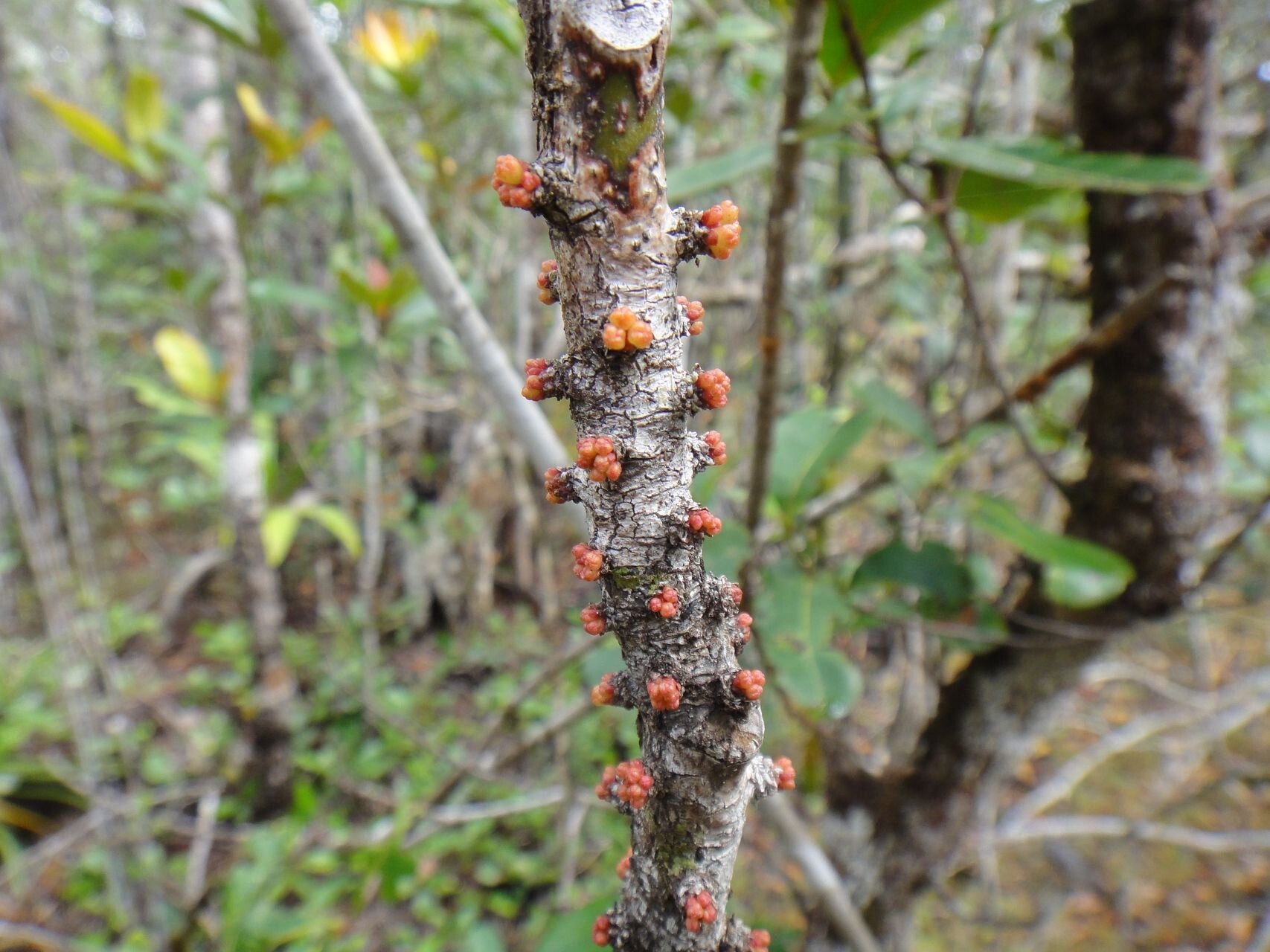
Hello, fellow garden enthusiasts! I’m so glad you’re here. Today, we’re diving into the wonderful world of propagating Myrsine grandifolia. If you’ve ever admired this plant’s glossy, deep green leaves and its often subtle, sweet fragrance, you’re not alone! It’s a real gem in the garden, offering year-round interest. And the best part? It’s quite rewarding to grow more of these beauties from your existing plants. For beginners, I’d say Myrsine grandifolia is moderately easy to propagate. It’s not as fussy as some, but a little attention to detail goes a long way.
The Best Time to Start
My experience tells me the sweet spot for propagating Myrsine grandifolia is late spring to early summer. This is when the plant is actively growing, often referred to as “softwood” or “semi-hardwood” stage. The new growth is flexible enough to root but has developed some firmness, making it less prone to rotting. Starting during this period gives your new cuttings plenty of time to establish before the cooler weather sets in.
Supplies You’ll Need
To set yourself up for success, gather these essentials:
- Sharp Pruning Shears or a Knife: Clean cuts are crucial.
- Rooting Hormone: A powder or liquid formulation will boost your chances.
- Well-Draining Potting Mix: I like a blend of equal parts peat moss or coco coir and perlite or coarse sand. This ensures good aeration and prevents waterlogging.
- Small Pots or Propagation Trays: About 3-4 inches deep are perfect. Make sure they have drainage holes!
- Plastic Bags or a Clear Dome: To create a humid environment for your cuttings.
- Watering Can or Spray Bottle: For gentle watering.
Propagation Methods
Now, let’s get our hands a little dirty! The most reliable method for Myrsine grandifolia is stem cuttings.
- Select Your Cuttings: Look for healthy, non-flowering stems from your established plant. You want pieces that are about 4-6 inches long.
- Make the Cut: Using your clean shears or knife, make a cut just below a leaf node (where a leaf attaches to the stem). This is where the plant is more likely to produce roots.
- Prepare the Cutting: Gently remove the lower leaves from the cutting, leaving just a few at the very top. This prevents them from rotting in the soil. If the remaining leaves are very large, you can even cut them in half lengthwise to reduce water loss.
- Apply Rooting Hormone: Dip the cut end of the stem into your rooting hormone, following the product’s instructions. Tap off any excess.
- Potting Up: Fill your small pots with your prepared potting mix. Moisten the mix slightly before planting.
- Insert the Cutting: Make a small hole in the center of the soil with your finger or a pencil. Gently insert the treated cutting, ensuring the leaf nodes are slightly below the soil surface. Firm the soil gently around the base of the cutting.
- Create Humidity: Water the soil lightly. Then, either place a clear plastic bag over the pot, securing it loosely with a rubber band, or cover the pot with a clear propagation dome. This will create a mini-greenhouse effect.
- Placement: Place your potted cuttings in a bright spot with indirect sunlight. Avoid direct sun, which can scorch the delicate cuttings.
The “Secret Sauce” (Pro Tips)
Here are a couple of things I’ve learned over the years that really make a difference:
- Don’t let the leaves touch the water if you decide to try water propagation (though stem cuttings in soil are generally more successful for this plant). While some plants root in water, Myrsine grandifolia can be prone to rot this way. If you do, ensure only the cut stem is submerged.
- Bottom Heat is a Game Changer: Investing in a small heating mat can significantly speed up root formation. Place your pots on the mat. The gentle warmth encourages root development from below. It’s like a cozy spa day for your cuttings!
- Patience with the Hormone: Don’t go overboard with the rooting hormone. Just a light coating is usually sufficient. Too much can actually inhibit rooting.
Aftercare & Troubleshooting
Once your cuttings are potted, keep the soil consistently moist but not soggy. You’ll want to lightly mist the leaves occasionally, especially if you don’t have a dome.
How do you know they’re rooting? The best sign is new growth appearing at the top. You can also give them a gentle tug after a few weeks – if there’s resistance, roots are forming. This usually takes 4-8 weeks, sometimes longer. Once you see good root development, you can gradually acclimatize your new plants to normal humidity by opening the plastic bag or dome for increasing periods each day over a week.
The most common troubleshooting issue is rot. If a cutting turns mushy and black, it’s likely rotted. This is often caused by overwatering or poor drainage. Ensure your soil mix is airy and that you’re letting the surface dry slightly between waterings. If you see mold on the soil, remove the affected cutting immediately and ensure good air circulation.
A Encouraging Closing
Propagating Myrsine grandifolia is a truly rewarding experience. It’s a chance to multiply the beauty in your garden and share it with others. Don’t be discouraged if your first few attempts aren’t perfect. Gardening is a journey of learning and discovery. Be patient with your little cuttings, give them consistent care, and enjoy the magic of watching them grow. Happy propagating!
Resource: