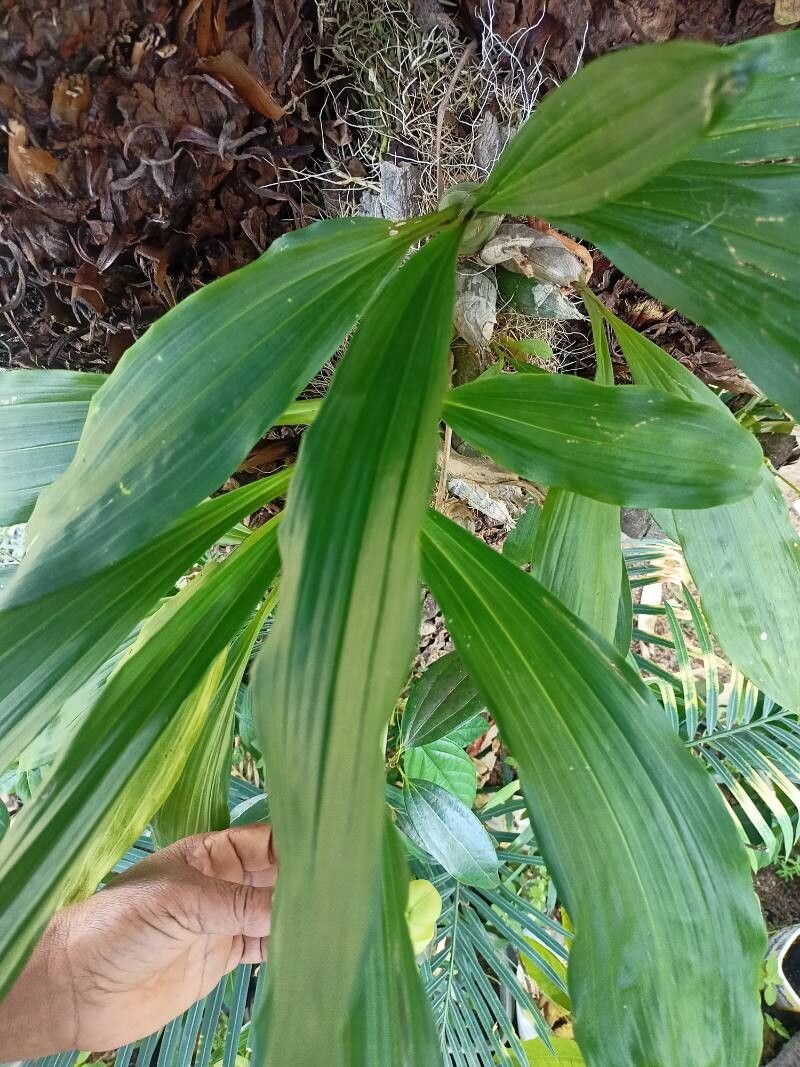
Ah, Catasetum luridum! If you’ve ever been captivated by its robust, almost prehistoric-looking foliage and the promise of those fascinating, often fragrant, blooms, then you’re in for a treat. Propagating this orchid can feel like unlocking a little bit of botanical magic. It’s not the absolute easiest orchid for a complete beginner, but with a little patience and a few key techniques, it’s absolutely achievable and wonderfully rewarding. Watching a piece of your beloved Catasetum unfurl new roots and eventually grow into its own full plant is a joy that never fades for me.
The Best Time to Start
Timing is everything with orchids, and Catasetum luridum is no exception. The ideal time to embark on propagation is during its active growing season. This is typically after it has finished flowering and is pushing out new pseudobulbs or roots. You’ll see that energy surge in the plant. Trying to propagate when it’s dormant or preparing to shed its leaves is much less likely to yield success. Think of it like trying to start a fire with damp wood – it just won’t catch easily!
Supplies You’ll Need
Gathering your tools before you start will make the whole process smoother. Here’s what I find indispensable:
- Sharp, sterile pruning shears or a clean knife: Essential for making clean cuts. I always wipe mine down with rubbing alcohol between cuts.
- Orchid potting mix: A well-draining mix is crucial. I prefer a blend of large bark chips, perlite, and a bit of charcoal.
- Small pots or division containers: Whatever you choose, make sure they have excellent drainage holes.
- Rooting hormone (optional but recommended): A powder or gel can give your cuttings a helping hand.
- Cinnamon or sulfur powder (optional): For dusting cuts to prevent fungal or bacterial infections.
- Spray bottle with clean water: For gentle misting.
- Clear plastic bags or a propagation box: To maintain humidity.
- Bottom heat source (optional but helpful): A seedling mat can really speed things up.
Propagation Methods
For Catasetum luridum, division is by far the most common and successful method. These orchids tend to form clumps over time, making them perfect candidates for this technique.
Division
- Assess your plant: Look for a mature pseudobulb that has at least two or three healthy roots attached and is showing signs of new growth (a new shoot or developing roots).
- Gently remove from pot: Carefully slide the orchid out of its container. If it’s stuck, a light tap around the rim might loosen it.
- Inspect the root system: Gently work away some of the old potting mix to see how the pseudobulbs are connected. You’re looking for a natural separation point.
- Make the cut: Using your sterile tool, carefully cut between the pseudobulbs, ensuring each division has at least one healthy pseudobulb and a good set of roots. Don’t be afraid to lose a few old, shriveled roots; focus on the plump, healthy ones.
- Let it breathe: After dividing, I like to let the cut surfaces air dry for a few hours, or even overnight, in a well-ventilated spot. This helps to callus over the wound.
- Dust if desired: If you’re concerned about infection, you can lightly dust the cut surface with cinnamon or sulfur powder.
- Pot it up: Plant each division into its own small pot with fresh orchid mix. Make sure the pseudobulb is sitting at the surface of the mix, not buried.
- Water sparingly: Water very lightly initially to settle the mix. You don’t want soggy conditions while the plant is trying to establish.
The “Secret Sauce” (Pro Tips)
After years of coaxing orchids to root, I’ve picked up a few tricks that seem to make all the difference:
- Don’t overwater the divisions immediately. This is a big one! A common mistake is to drown new divisions. They need time to callous and initiate new root growth, and too much moisture is their enemy. Mist lightly, and only when the potting mix feels dry.
- Embrace the humidity dome. Catasetums love humidity, especially when they’re trying to root. Pop the potted divisions into a clear plastic bag or a propagation box. Poke a few small holes for ventilation to prevent damping off.
- Consider the warmth. If you can provide gentle bottom heat, do it! A seedling heat mat set to around 75-80°F (24-27°C) can dramatically speed up root development. It mimics the warm, humid environment they thrive in.
Aftercare & Troubleshooting
Once your division is potted, keep it in bright, indirect light and maintain that high humidity. You’re waiting for signs of new root growth, which you’ll often see peeking out of the drainage holes or pushing through the potting mix. Once new roots are actively growing, you can gradually decrease the humidity and introduce more light.
The main thing to watch out for is rot. If you see a pseudobulb starting to wrinkle excessively, turn black and mushy, or if any new growth wilts and turns black, it’s usually a sign of too much moisture. If this happens, gently unpot the division, trim away any rotted parts with your sterile knife, and let it air dry for a longer period before repotting in fresh, drier mix. Sometimes, a division won’t make it, and that’s part of the learning curve. Don’t get discouraged!
A Encouraging Closing
Propagating Catasetum luridum takes a bit of patience and a watchful eye, but seeing those first tentative roots emerge is incredibly satisfying. Each new plant is a little piece of your gardening journey, a testament to your care and dedication. Trust your instincts, provide the right conditions, and enjoy the process of watching life spring from your efforts. Happy growing!
Resource:
https://identify.plantnet.org/k-world-flora/species/Catasetum%20luridum%20(Link)%20Lindl./data