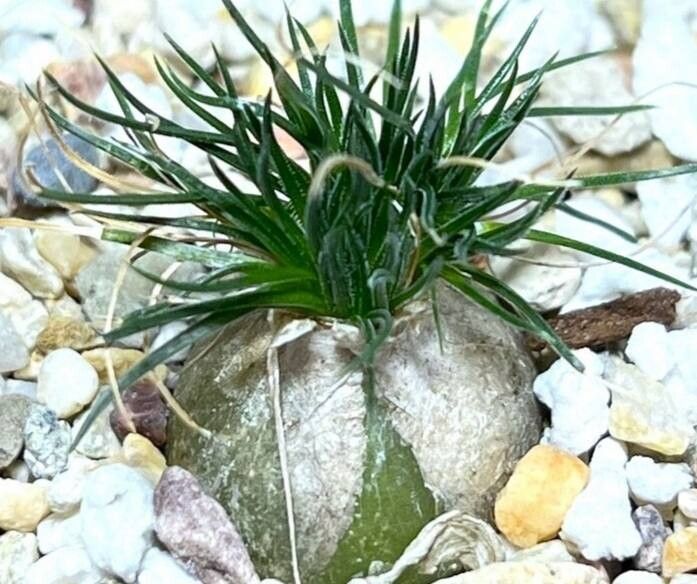
Hello green thumbs! It’s so wonderful to have you here. Today, we’re diving into the delightful world of Ornithogalum sardienii, often called the “Star of Bethlehem” for its elegant, star-shaped blooms. I’ve always been captivated by their delicate beauty and the promise of spring they bring. Propagating them is a truly rewarding experience, like nurturing tiny sparks of potential into full, glorious life. Now, I’ll be honest, Ornithogalum sardienii isn’t the absolute easiest plant for a complete beginner, but with a little care and attention, you’ll be rewarded with a whole collection of these beauties.
The Best Time to Start
Timing is everything, isn’t it? For Ornithogalum sardienii, the absolute best time to propagate is in late spring or early summer, right after the plant has finished flowering. This is when the bulbs are actively storing energy and are generally at their strongest. You want to make sure the plant has completed its blooming cycle and has had a chance to recover before you start dividing or taking cuttings.
Supplies You’ll Need
Gathering your tools makes the whole process smoother. Here’s what I always have on hand:
- Sterile potting mix: A well-draining mix is crucial. I like a blend of equal parts peat moss, perlite, and compost.
- Sharp, clean pruning shears or a clean knife: Essential for making clean cuts and preventing disease.
- Rooting hormone (optional but helpful): Particularly useful if you’re trying stem cuttings. Look for one specifically for herbaceous plants.
- Small pots or trays: For starting your new propagations. Make sure they have drainage holes!
- Watering can or spray bottle: For gentle watering.
- Labels and a marker: So you don’t forget what you planted where!
Propagation Methods
Ornithogalum sardienii is primarily propagated through division, which is like giving the plant a little haircut and spreading its goodness around. You can also try stem cuttings if you have a healthy, mature plant.
Division: Spreading the Stars
This is my go-to method for Ornithogalum sardienii.
- Wait for dormancy: After flowering and the foliage has yellowed and died back, it’s time to gently lift the bulbs from the soil.
- Gently separate: Carefully brush away excess soil. You’ll notice smaller bulbs, often called “offsets” or “bulblets,” attached to the main bulb. Gently twist or use your knife to separate these. Each offset should have at least one small root attached.
- Repot: Plant the separated bulbs about 4-6 inches deep in your prepared, well-draining soil. Give them a little space to grow – about 6 inches apart. Water them in lightly.
Stem Cuttings: A Little More Adventurous
This method is for those looking for a bit more of a challenge, and it works best with sturdy, healthy stems.
- Take cuttings: Select a healthy stem with at least two sets of leaves. Using your sharp shears, make a clean cut just below a leaf node (where a leaf attaches to the stem). Aim for cuttings that are about 4-6 inches long.
- Prepare the cutting: Gently remove the lower leaves from the cutting so that only the top leaves remain.
- Apply rooting hormone (optional): Dip the cut end into rooting hormone, tapping off any excess.
- Plant the cutting: Insert the cut end into a pot filled with your sterile potting mix, about 1-2 inches deep. Gently firm the soil around the stem.
- Water lightly: Mist the soil surface or water very gently.
The “Secret Sauce” (Pro Tips)
Here are a few little tricks I’ve picked up over the years that really make a difference:
- Don’t rush the division: Be patient when separating the offsets. If you pull too hard, you can damage the tiny roots that are essential for the new bulb to establish itself. It’s better to use a clean knife to make a precise cut if they’re stubbornly attached.
- Consider bottom heat: For stem cuttings, a little warmth from below can significantly speed up root formation. A propagation mat set on a low setting can work wonders. It mimics the warmth that encourages roots to emerge.
- Keep it humid, but ventilated: New cuttings need high humidity to prevent drying out, but they also need airflow to prevent fungal issues. Using a clear plastic bag or a mini greenhouse can help, but make sure to open it for a few minutes each day to allow fresh air in.
Aftercare & Troubleshooting
Once your new Ornithogalum sardienii have started to take root – you’ll see new growth emerging – they’re ready for a little more TLC.
Keep them in a bright spot, but out of direct, scorching sun, especially while they’re young. Water them when the top inch of soil feels dry. If you’re propagating from bulbs, don’t expect huge blooms immediately; focus on letting the foliage develop and the bulb grow stronger.
The biggest issue you’ll likely encounter is rot. This usually happens due to overwatering or poor drainage. If you notice your cutting is mushy or your bulb looks dark and slimy, it’s probably too late. Remove the affected plant immediately to prevent it from spreading to others. Yellowing leaves on a new bulb can also signal too much or too little water, or not enough light.
A Little Patience Goes a Long Way
Growing plants is a journey, and propagation is no different. There might be a few hiccups along the way, but don’t be discouraged! The joy of watching a tiny offset or a simple stem transform into a new, blooming plant is absolutely magical. So, grab your tools, get your hands in the soil, and enjoy the process. Happy gardening!
Resource:
https://identify.plantnet.org/k-world-flora/species/Ornithogalum%20sardienii%20van%20Jaarsv./data