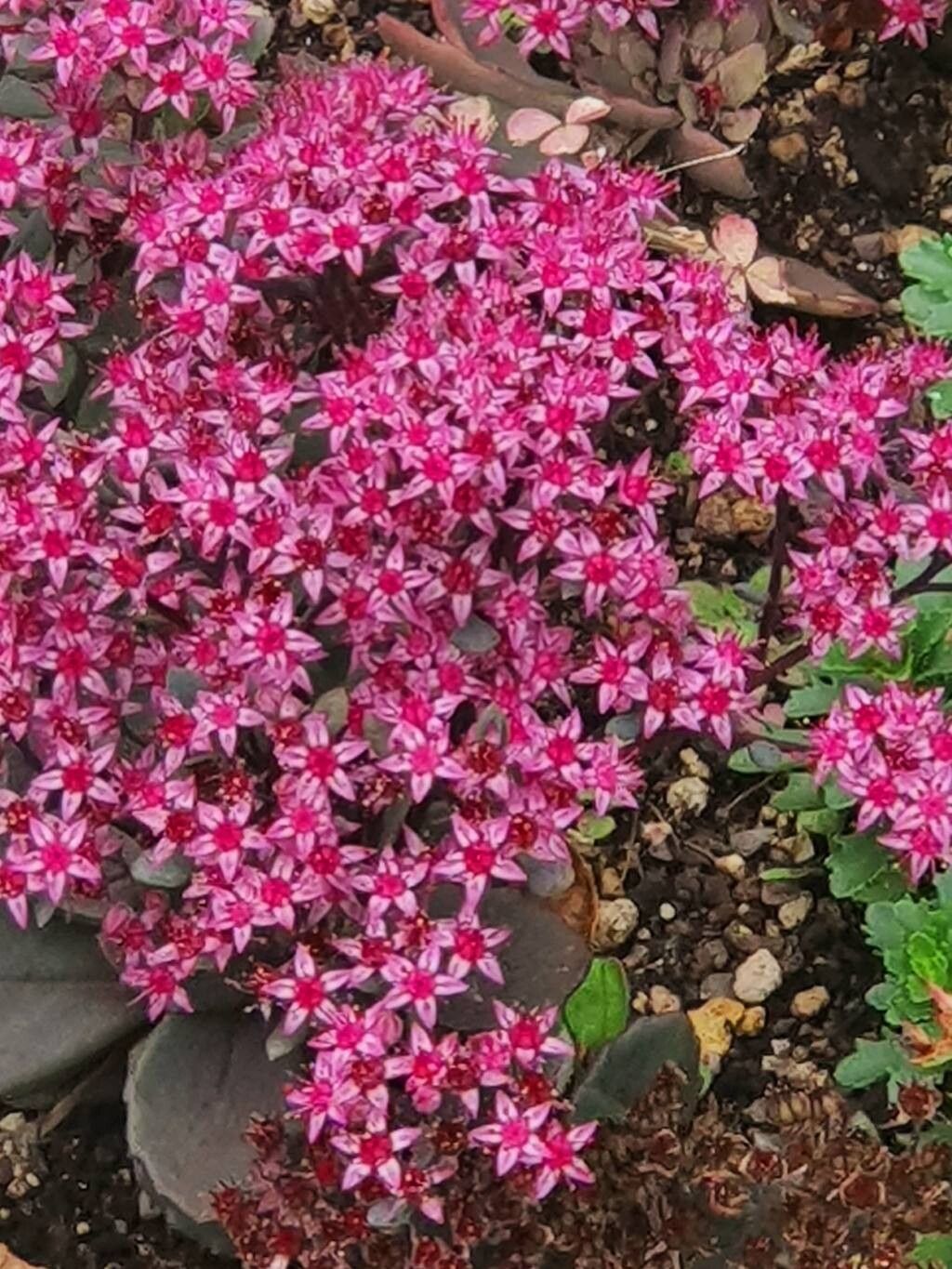
Hello there, fellow garden enthusiasts! It’s wonderful to have you join me. I’ve been digging in the dirt for two decades now, and every season brings new joys and discoveries. Today, I want to talk about a plant that has truly captured my heart: Hylotelephium cyaneum, also known as the blue sedum or stonecrop.
A Gem for Your Garden
Hylotelephium cyaneum is such a delight. Its steely blue foliage is striking all season long, and then in late summer, it bursts forth with beautiful, dusky pink flower heads that turn a lovely russet in the fall. They’re like little late-season jewels for the garden border. If you’re looking for a way to expand your collection or share this beauty with friends, propagating it yourself is incredibly rewarding. And I’m happy to say, for beginners, Hylotelephium cyaneum is generally a very forgiving plant to propagate. You’ll likely have success with a little patience.
When Does the Magic Happen?
The best time to get started with propagating Hylotelephium cyaneum is generally in late spring to early summer. This is when the plant is actively growing and has plenty of energy to put into developing new roots. You’re looking for sturdy, non-flowering stems. The plant is usually quite vigorous at this stage, making it ideal for taking cuttings.
Gathering Your Gardening Arsenal
To make this process as smooth as possible, here’s what you’ll want to have on hand:
- Sharp, clean pruning shears or a sharp knife: For making clean cuts.
- Rooting hormone (optional but helpful): A powder or gel formulation.
- A well-draining potting mix: I like a blend of equal parts peat moss or coco coir and perlite or coarse sand.
- Small pots or trays: With drainage holes, of course!
- A spray bottle: For misting.
- Plastic bags or a propagation dome: To create a humid environment.
- Labels and a marker: Essential for keeping track of your cuttings!
Unlocking the Secrets: Propagation Methods
There are a couple of reliable ways to multiply your Hylotelephium cyaneum. I find these two to be the most effective.
Method 1: Stem Cuttings (My Go-To!)
This is my absolute favorite method for sedums. It’s simple and yields great results.
- Take Your Cuttings: In late spring or early summer, select healthy stems that are about 4-6 inches long. Using your clean pruning shears or knife, make a cut just below a leaf node (where a leaf meets the stem). Remove the lower leaves, leaving just the top few at the cut end.
- Allow to Callus: This is a crucial step! Leave the cuttings out in a dry, shady spot for a day or two. You want the cut end to form a dry callus. This prevents rot when you plant them.
- Apply Rooting Hormone (Optional): If you’re using rooting hormone, dip the callused end into the powder or gel.
- Plant the Cuttings: Fill your small pots with your well-draining potting mix. Make a small hole in the center of the soil and insert the callused end of the cutting. Gently firm the soil around the stem.
- Water and Cover: Water the soil lightly until it’s moist, but not waterlogged. Then, cover the pot with a plastic bag or a propagation dome to maintain high humidity. You can use a skewer or a small stick to keep the plastic from touching the leaves.
- Location, Location, Location: Place the pots in a bright spot that receives indirect sunlight. Avoid direct sun, which can scorch those young cuttings.
Method 2: Division (When Your Plant is Established)
As your Hylotelephium cyaneum matures and forms clumps, you can divide it. This is best done in early spring as new growth begins.
- Prepare the Plant: Water your established plant a day or two beforehand to make it easier to handle.
- Excavate Carefully: Gently dig around the perimeter of the clump with a spade or trowel. Lift the entire plant from the ground.
- Separate the Divisions: You can often gently pull the clumps apart with your hands. If they are very dense, you might need to use a clean spade or knife to cut through the root ball. Aim for divisions that have several healthy stems and a good amount of roots.
- Replant: Trim any damaged roots. Dig new holes in your desired location or in pots, and replant the divisions, ensuring the crown (where the stems meet the roots) is at soil level. Water thoroughly.
The “Secret Sauce”: My Top Tips
After years of trial and error, I’ve picked up a few tricks that really boost success rates.
- Don’t Overwater! This is probably the most common mistake. Sedums are succulents, and their cuttings rot easily if the soil stays too wet. Think “barely moist” rather than “soggy.”
- Bottom Heat is Your Friend: If you have the option, placing your pots on a heat mat specifically designed for seedlings can significantly speed up root development. It mimics the warmth of spring.
- Patience with the Callus: Seriously, don’t skip the callusing step for cuttings. It seems like a small thing, but letting that cut end dry and seal protects your cutting from disease and encourages it to send out roots instead of rot.
Aftercare & Troubleshooting: Nurturing Your New Sprouts
Once your cuttings have developed a good set of roots (you can gently tug on a stem – if there’s resistance, you have roots!), it’s time for a little more independence.
- Gradual Acclimation: If you’ve been using a plastic bag or dome, start by gradually removing it for longer periods over a few days. This helps the plant adjust to normal humidity levels.
- Regular Watering (but still cautious!): Water when the top inch of soil feels dry. Continue to use succulent-friendly, well-draining soil.
- Sunshine: Once they’re acclimatized, new plants can gradually be introduced to more light, eventually reaching the same conditions as mature Hylotelephium cyaneum.
What if things go wrong? The most common issue is rot, indicated by mushy, brown stems. This is almost always due to too much moisture and/or not allowing the cuttings to callus properly. If you see this, unfortunately, that cutting is likely lost. But don’t despair! Take cuttings from healthy stems, and remember the tips above. Another sign of failure is simply no new growth after a long time – this can sometimes be due to insufficient light or warmth.
Go Forth and Grow!
Propagating Hylotelephium cyaneum is a wonderfully accessible way to bring more of this stunning plant into your garden or to share with fellow plant lovers. Be patient with the process, trust your instincts, and enjoy the thrill of watching a tiny cutting transform into a thriving new plant. Happy gardening!
Resource: