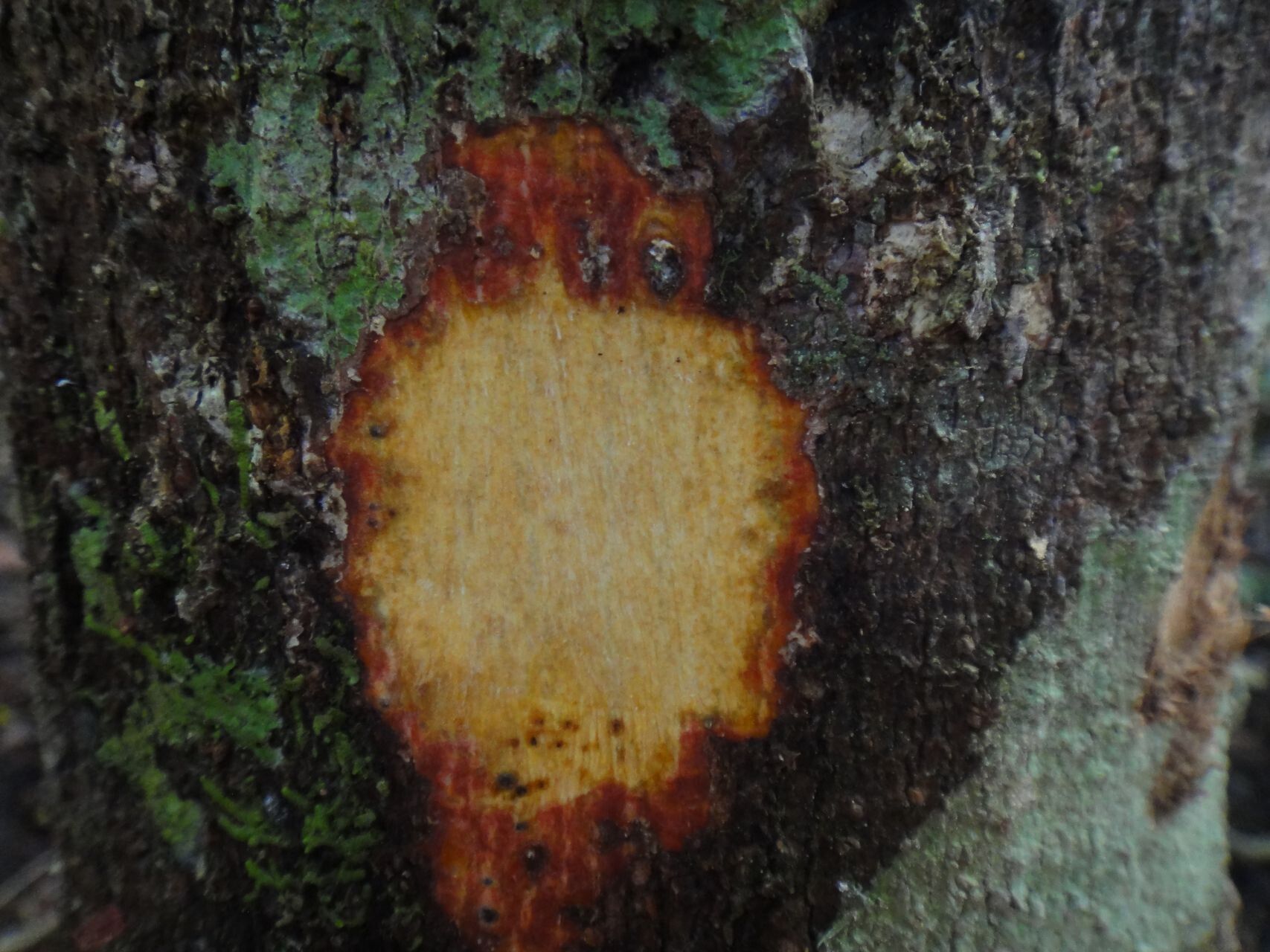
Oh, hello there! I’m so glad you’ve found your way to my little corner of the internet. Today, we’re going to talk about a plant that has truly captured my heart: Geijera balansae. Its delicate, feathery foliage and graceful habit make it a stunning addition to any garden or indoor space. And honestly, the feeling of nurturing a new plant from a tiny cutting? It’s just pure magic. Perfect for those of you looking to expand your green family, and I really think you’ll find it quite rewarding, even if you’re just starting your plant journey.
The Best Time to Start
When it comes to coaxing new life from your Geijera balansae, timing is everything. I find that the spring and early summer are your golden windows of opportunity. This is when the plant is actively growing, fueled by longer days and warmer temperatures. Starting your propagation efforts then means your cuttings have a good, long growing season ahead to establish themselves. Aim for softwood or semi-hardwood cuttings – that means they’re flexible but not entirely floppy.
Supplies You’ll Need
Gathering your tools before you begin makes the whole process so much smoother. Here’s my go-to list:
- Clean, sharp pruning shears or a craft knife
- A well-draining potting mix. I like a blend of perlite, peat moss, and a bit of orchid bark for excellent aeration. You can also find pre-made houseplant or rooting mixes.
- Rooting hormone (powder or gel). This is like a little boost for your cuttings.
- Small pots or propagation trays with drainage holes.
- A clear plastic bag or mini greenhouse to create a humid environment.
- Water for misting and in a separate container if you’re trying water propagation.
- Optional: A heat mat for bottom warmth.
Propagation Methods
Let’s get our hands dirty! I find stem cuttings to be the most foolproof method for Geijera balansae.
Stem Cuttings:
- Select your cutting: Look for a healthy stem that has plenty of leaves but no flowers. You want a piece that’s about 4-6 inches long.
- Make the cut: Using your clean shears or knife, make a clean cut just below a leaf node (where a leaf attaches to the stem). This is where roots are most likely to form.
- Prepare the cutting: Gently remove the lower leaves from the cutting, leaving only 2-3 sets of leaves at the top. If the remaining leaves are very large, you can cut them in half horizontally to reduce water loss.
- Apply rooting hormone: Dip the cut end of the stem into your rooting hormone, tapping off any excess.
- Plant the cutting: Fill your small pots or trays with your prepared potting mix. Make a small hole with your finger or a pencil and gently insert the cutting, ensuring the node where you removed the leaves is buried. Firm the soil around the stem.
- Create humidity: Water gently to settle the soil. Then, cover the pot with a clear plastic bag, securing it around the rim with a rubber band, or place it in a clear plastic container. This creates a humid microclimate, which is crucial for cuttings.
Water Propagation (For the Patient Ones):
If you’re feeling adventurous, you can try water propagation.
- Follow steps 1-3 above for selecting, cutting, and preparing your stem.
- Place the cutting in a jar or glass of clean water. Make sure no leaves are submerged in the water, as this will cause them to rot. Only the stem should be in the water.
- Place the jar in a bright spot with indirect light.
- Change the water every few days to keep it fresh. You should start to see tiny roots forming within a few weeks. Once the roots are about an inch long, you can transplant them into soil.
The “Secret Sauce”
Here are a couple of tricks I’ve learned over the years that really seem to give cuttings a little extra oomph:
- Don’t let the leaves touch the water! I know I mentioned it, but it’s worth repeating, especially for water propagation. Submerged leaves are a fast track to rot. If your leaves are large, trim them back.
- Bottom heat is your friend. If you’re using stem cuttings and want to speed things up, place your pots on a heat mat. This gentle warmth from below encourages root development much faster than just ambient room temperature. It’s like giving those nascent roots a cozy, warm bed to grow into.
Aftercare & Troubleshooting
Once you see those first brave roots peeking out from the drainage holes, or new growth appearing on top, it’s time to celebrate!
Gently remove the plastic cover for a few hours each day, gradually increasing the time over a week or so to help the new plant acclimate to drier air. Continue to water regularly, keeping the soil consistently moist but not waterlogged.
What if things go wrong? The most common culprit is rot. If your cutting turns mushy and black, or the leaves start to yellow and fall off rapidly without any new growth, it’s likely rot. This is often caused by too much moisture and poor air circulation. Unfortunately, if a cutting rots, it’s usually a goner, but don’t despair! Just try again. Make sure your drainage is excellent, and the environment isn’t too wet.
A Little Encouragement
Growing new plants is a journey, and like any good journey, it has its ups and downs. Be patient with your Geijera balansae cuttings. Some will be quick to root, others will take their sweet time. The most important thing is to enjoy the process, learn from each attempt, and celebrate every little success. Happy propagating!
Resource: