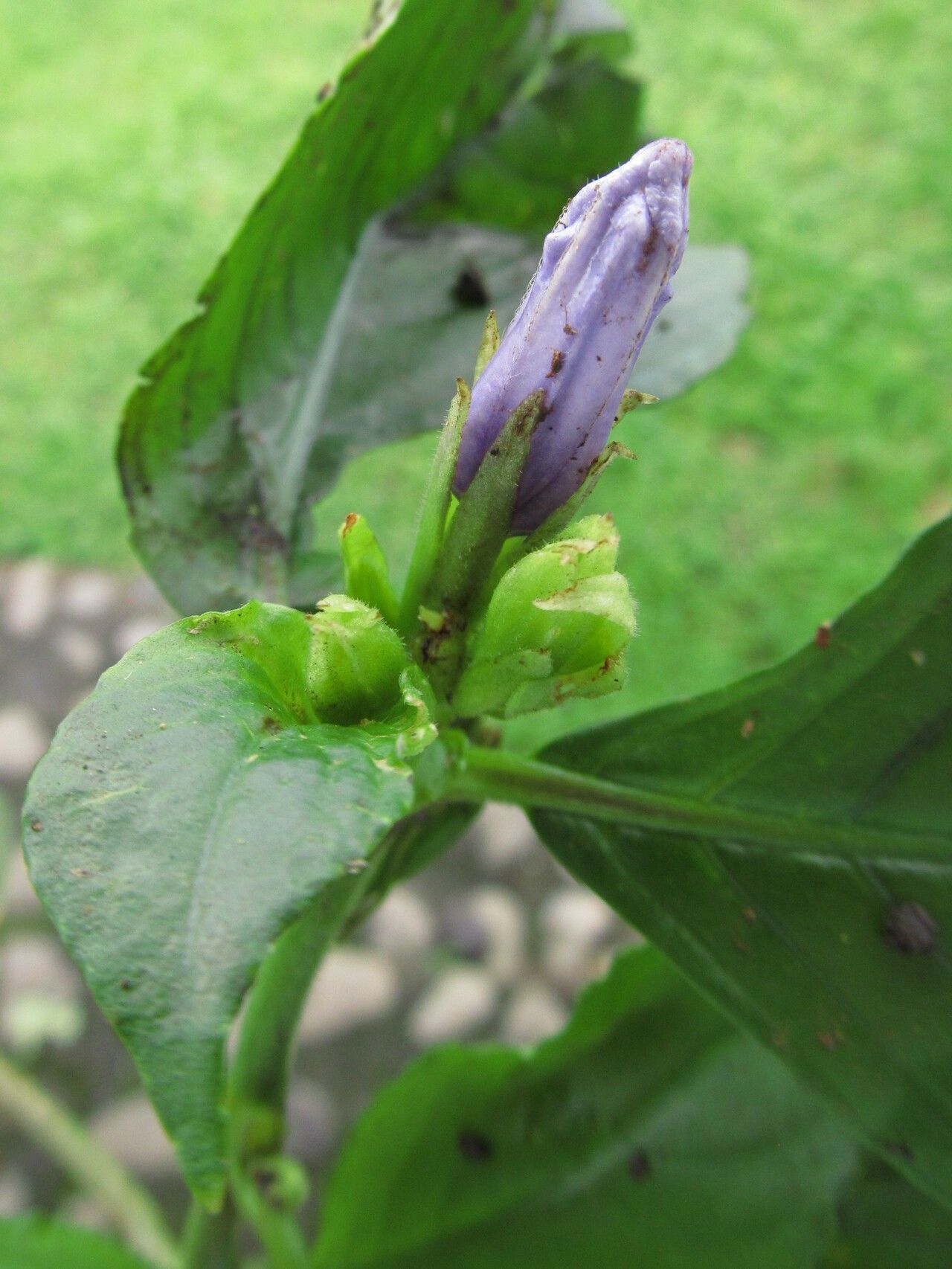
Oh, hello there! Grab a mug of something warm, and let’s chat about a real gem of a plant: Dischistocalyx thunbergii. This lovely has these gorgeous, velvety leaves that just beg to be touched. And the way it gracefully cascades? Simply stunning. If you’ve been eyeing one of these beauties and thinking, “I’d love to have more!”, you’re in for a treat.
Propagating Dischistocalyx thunbergii is incredibly rewarding. It’s not the absolute easiest plant to propagate for a complete beginner, but with a little patience and following these steps, I promise you’ll be successful. It’s a project that really connects you with the plant’s life cycle.
The Best Time to Start
When it comes to timing, spring is your best friend for propagating Dischistocalyx. This is when the plant is naturally gearing up for active growth. After a long winter, it’s bursting with energy, and cuttings taken at this time tend to root more readily and quickly. Aim for early to mid-spring, before the heat of summer really kicks in.
Supplies You’ll Need
Here’s what you’ll want to have on hand. Think of it as your propagation toolkit:
- Sharp Pruning Shears or a Clean Knife: For making clean cuts. Sterilize them if you’ve used them on other plants!
- Potting Mix: A well-draining mix is crucial. I like a blend of equal parts peat moss, perlite, and a bit of vermiculite. Or, a good quality potting mix with extra perlite mixed in works well.
- Small Pots or Seedling Trays: Terracotta pots breathe nicely, but plastic ones hold moisture better if you tend to let things dry out.
- Rooting Hormone (Optional but Recommended): This little powder or gel really gives cuttings a boost. It’s not strictly necessary, but it can significantly improve your success rate.
- Plastic Bag or Humidity Dome: To keep that humidity up around your cuttings.
- Watering Can with a Fine Rose or Spray Bottle: For gentle watering.
Propagation Methods
There are a couple of ways we can go about this, but my go-to for Dischistocalyx thunbergii is usually taking stem cuttings.
Stem Cuttings:
- Find a Healthy Stem: Look for a healthy, non-flowering stem that’s at least 4-6 inches long. You want it to be firm, not floppy or woody.
- Make the Cut: Using your sterilized shears or knife, make a clean cut just below a leaf node (where a leaf attaches to the stem). This is where new roots will emerge.
- Prepare the Cutting: Gently remove the lower leaves, leaving just a few at the top. If the leaves are very large, you can even cut them in half to reduce water loss through transpiration.
- Apply Rooting Hormone (If Using): Dip the cut end into the rooting hormone, tap off any excess.
- Plant the Cutting: Fill your small pot with the prepared potting mix. Make a small hole with your finger or a pencil and gently insert the cut end of the stem. Press the soil gently around it to ensure good contact.
- Water Gently: Water the soil thoroughly but gently, ensuring it’s moist but not waterlogged.
- Create a Humid Environment: Cover the pot with a clear plastic bag (make sure it doesn’t touch the leaves too much) or place it under a humidity dome. Pop the pot in a warm spot with bright, indirect light. Avoid direct sun, as it can scorch the leaves.
Division (If your plant is mature and bushy):
If you have a mature and generously sized plant, you might be able to propagate it by division.
- Gently Remove from Pot: Carefully take your Dischistocalyx out of its current pot.
- Loosen the Root Ball: Gently tease apart the root ball. You’re looking for natural divisions where you can see distinct sections of roots and foliage.
- Separate Sections: With clean hands or a sterile trowel, carefully pull or cut apart these sections. Try to ensure each division has a healthy amount of roots and at least one or two shoots.
- Pot Up: Pot each division into its own container with fresh, well-draining potting mix.
- Water and Place: Water each new pot and place them in a location with bright, indirect light.
The “Secret Sauce” (Pro Tips)
Here are a few things I’ve learned over the years that can really make a difference:
- Don’t let the leaves touch the water: If you decide to try water propagation (though I find stem cuttings do better in soil for this plant), make absolutely sure the leaves aren’t submerged. Rot sets in fast that way. For stem cuttings in soil, this just means if your humidity dome condensation drips onto the leaves, it’s okay, but avoid leaving excess water pooling.
- Bottom Heat is Your Friend: If you have it, place your pots on a heating mat. This slightly warmer soil temperature encourages root development much faster than just ambient room temperature. It’s like giving them a cozy foot bath!
- Be Patient with Rooting Hormone: If you are using rooting hormone, let the cutting sit for a few minutes after dipping it before planting. This allows the hormone to adhere a bit better.
Aftercare & Troubleshooting
Once you see signs of new growth – tiny new leaves emerging or a gentle tug on the cutting meeting resistance – congratulations! Those are roots!
- Acclimate Slowly: You can gradually remove the plastic bag or dome over a week or two, letting the new plant get used to the normal humidity.
- Watering: Continue to water when the top inch of soil feels dry. Don’t let it get waterlogged.
- Light: Keep it in bright, indirect light.
- Common Pitfalls: The most common issue is rot, usually caused by overwatering or poor drainage. If your cutting turns mushy or black, it’s likely rotted. Remove it immediately to prevent it from spreading to other cuttings. Yellowing leaves can sometimes mean it needs more light, or it might be a sign of stress.
A Encouraging Closing
Propagating plants is such a wonderful way to multiply your joy in the garden. It’s a process of patience, observation, and a little bit of faith. Don’t get discouraged if your first few attempts aren’t perfect. Every cutting is a learning experience, and soon enough, you’ll have a whole little family of Dischistocalyx thunbergii to share. Happy propagating!
Resource: