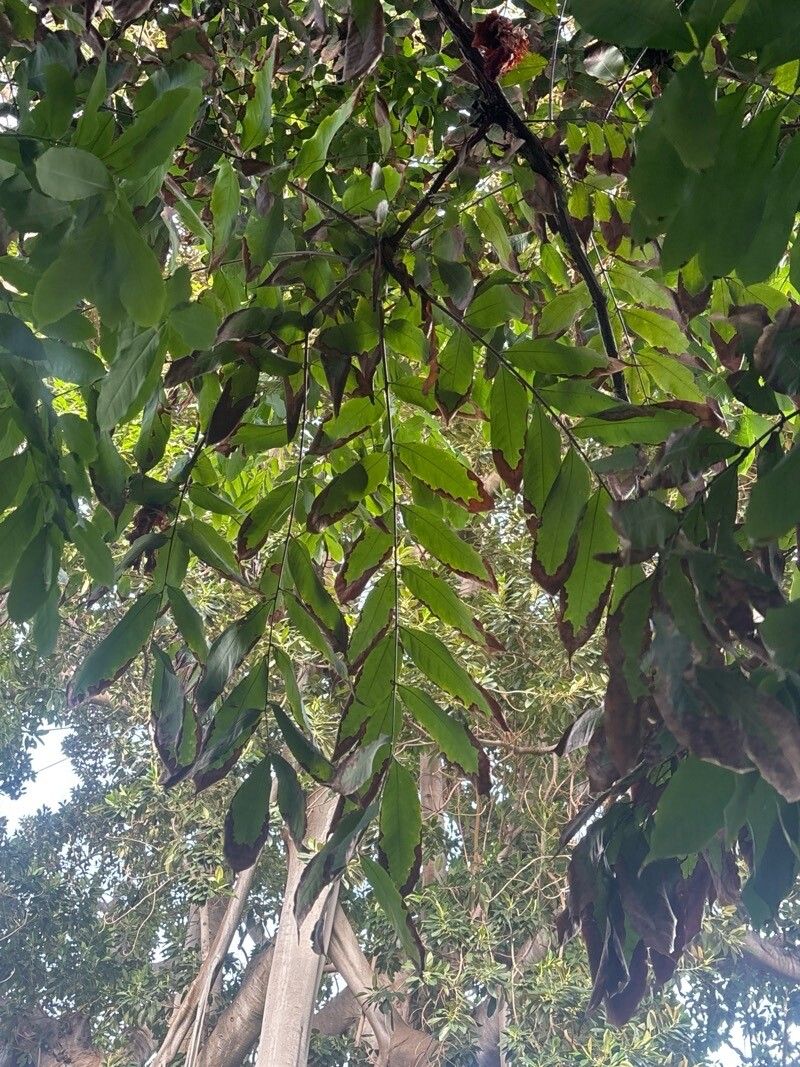
Hello there, fellow plant lover! It’s so wonderful to have you join me today. We’re diving into the world of a truly special plant: Brownea ariza. You know, the one with those stunning, vibrant flower clusters that look like delicate fireworks. If you’ve ever admired this beauty in a botanical garden or a friend’s well-loved collection, you might be wondering if you can grow your own. I’m here to tell you, yes you can! And the joy of coaxing a new plant into existence from a tiny piece of its parent? That’s a reward unlike any other. Now, while Brownea ariza isn’t the absolute easiest plant to propagate for a complete beginner, it’s by no means impossible. With a little patience and a few guiding hands (that’s me to you!), you’ll be well on your way.
The Best Time to Start
When is the magic window for Brownea ariza propagation? Generally, you’ll find the most success when the plant is actively growing and healthy. Think of it as starting with a plant that’s full of vigor, ready to put its energy into creating something new. In most climates, this means late spring through summer. This is when nature is at its most generous, and your cuttings will have plenty of warm days and light to encourage them. Avoid trying to propagate during dormancy or a period of stress for the mother plant.
Supplies You’ll Need
Before we get our hands dirty, let’s gather our tools. Having everything ready beforehand makes the whole process so much smoother.
- Sharp, clean pruning shears or a sharp knife: Essential for making clean cuts that heal well.
- A well-draining potting mix: I like to use a blend of peat moss, perlite, and a bit of orchid bark. This gives you that airy, moisture-retentive environment Brownea loves.
- Small pots or trays: Clean ones are crucial to prevent disease.
- Rooting hormone (optional but recommended): A powdery or gel type can give your cuttings a helpful boost.
- Clear plastic bags or a propagator: To create that humid microclimate cuttings need.
- Spritzer bottle: For misting.
- Perlite or coarse sand: To add extra drainage to your potting mix if needed.
Propagation Methods
Brownea ariza can be propagated in a couple of ways, but for most home gardeners, stem cuttings are the most accessible and effective. Let’s walk through it.
Stem Cuttings:
- Select your cutting: Look for a healthy, semi-hardwood stem. This means it’s not brand new and flimsy, but also not old and woody. You’re aiming for a piece that’s about 4-6 inches long, with at least two or three leaf nodes.
- Make the cut: Using your sterilized shears or knife, make a clean cut just below a leaf node. This node is where hormones are concentrated, encouraging root development.
- Prepare the cutting: Gently remove the lower leaves. If your cutting has very large leaves, you can even cut the remaining ones in half horizontally. This reduces water loss through transpiration.
- Apply rooting hormone: Dip the cut end into your rooting hormone, tapping off any excess.
- Pot it up: Fill your small pot with your well-draining mix. Make a small hole with your finger or a pencil and gently insert the cutting. Firm the soil around it.
- Water gently: Water the soil thoroughly but avoid waterlogging.
- Create humidity: Cover the pot with a clear plastic bag, using stakes if needed to keep the bag from touching the leaves. Alternatively, place it in a propagator. Ensure good air circulation to prevent fungal issues.
- Provide warmth and light: Place the pot in a bright location with indirect light. A bit of gentle bottom heat can be very beneficial, mimicking the warmth of the soil in its natural habitat.
The “Secret Sauce” (Pro Tips)
Here are a couple of things I’ve learned over the years that can really make a difference:
- Don’t let the leaves touch the water: If you happen to be trying a water propagation method (which is trickier with Brownea), make SURE none of the leaves are submerged. They’ll rot quickly, and that’s the end of that effort. With cuttings in soil, this translates to keeping leaves above the soil line and preventing them from sitting in excess moisture within the pot.
- Bottom heat is your friend: Brownea ariza loves warmth, and those roots will develop much faster when the soil is consistently warm, around 70-75°F (21-24°C). A seedling heat mat is a fantastic investment if you plan on propagating more plants.
Aftercare & Troubleshooting
Once your cutting shows signs of rooting – new leaf growth is a good indicator, or you can gently tug on it and feel resistance – it’s time for slightly different care.
Continue to keep the soil evenly moist but not soggy. Gradually acclimatize the new plant to slightly lower humidity by opening the propagator or bag a bit more each day over a week or two. Once it’s showing robust new growth and you’re confident in its root system, you can transplant it into a slightly larger pot with fresh potting mix.
What if things go wrong? The most common issue is rot. This is usually caused by overwatering or poor drainage. If you see a cutting turning brown and mushy, or if mold appears on the soil surface, it’s likely rot. Unfortunately, there’s not much you can do once rot sets in, so prevention is key. Make sure your potting mix drains well, and only water when the top inch of soil feels dry.
A Encouraging Closing
Propagating Brownea ariza is a journey, and like any good journey, it requires a bit of patience. Don’t get discouraged if your first attempt doesn’t yield immediate results. Observe your cuttings, learn from them, and enjoy the process of nurturing new life. With a little care and persistence, you’ll soon have your very own stunning Brownea to admire. Happy planting!
Resource:
https://identify.plantnet.org/k-world-flora/species/Brownea%20ariza%20Benth./data