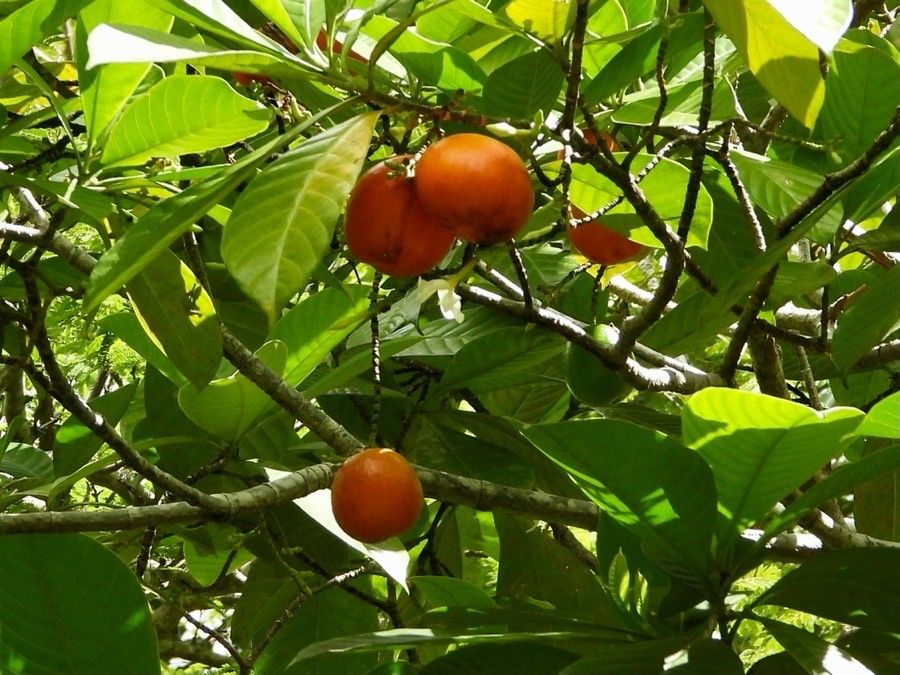
Hello fellow plant lovers! Today, we’re diving into the lovely world of Tabernaemontana macrocarpa, often called the Giant Crape Jasmine, though that name isn’t quite as widespread as some other jasmines. This plant is a real stunner. Its large, glossy leaves and those gorgeous, fragrant white flowers that look like miniature pinwheels? Simply irresistible. Plus, if you’ve ever admired this beauty, you’ll be thrilled to know that propagating it is a wonderfully rewarding endeavor. You can fill your home or garden with more of this tropical charm! Now, for beginners, I’d say Tabernaemontana macrocarpa leans towards the moderately easy side. It’s not a finicky diva, but a little attention to detail goes a long way.
The Best Time to Start
For the highest chance of success, I always recommend propagating your Tabernaemontana macrocarpa during its active growing season. This typically falls in the late spring and summer months. Young, healthy stems that are actively producing new growth have that vital energy needed to establish roots. Avoid trying to propagate from woody, old stems or during the plant’s dormant period in winter.
Supplies You’ll Need
- Sharp Pruning Shears or a Clean Knife: For taking clean cuts.
- Rooting Hormone (Optional but recommended): Look for one formulated for herbaceous or woody cuttings.
- Well-Draining Potting Mix: A blend of peat moss, perlite, and a little compost works beautifully.
- Small Pots or Trays: Clean containers with drainage holes.
- Plastic Bag or Dome: To create a humid environment.
- Watering Can or Spray Bottle: For gentle watering.
Propagation Methods
Let’s explore how to get those new plants started. I find stem cuttings are the most reliable method for Tabernaemontana macrocarpa.
Stem Cuttings:
- Select Healthy Stems: Look for semi-hardwood stems – not too soft and green, but not old and woody either. A good indicator is if the stem bends a bit without snapping.
- Take Your Cuttings: Using your clean shears or knife, make a cut just below a leaf node (where a leaf attaches to the stem). Aim for cuttings that are about 4-6 inches long.
- Prepare the Cuttings: Gently remove the lower leaves, leaving only the top 2-3 sets of leaves. If the remaining leaves are very large, you can carefully cut them in half horizontally to reduce water loss through transpiration.
- Apply Rooting Hormone (If Using): Dip the cut end of each stem into your rooting hormone, tapping off any excess.
- Pot Your Cuttings: Fill your small pots or trays with your well-draining potting mix. Make a small hole in the center with your finger or a pencil.
- Insert the Cuttings: Place each cutting into the hole, ensuring the bottom leaf nodes are below the soil surface. Gently firm the soil around the stem.
- Provide Humidity: Lightly water the soil. Then, cover the pot or tray with a clear plastic bag, an upside-down plastic bottle, or a propagation dome. This traps moisture and keeps the cuttings from drying out. A few small holes in the bag can help with air circulation.
The “Secret Sauce” (Pro Tips)
Here are a few little tricks I’ve picked up over the years that can really boost your success rate:
- Bottom Heat is Your Friend: If you can, place your pots on a heat mat designed for propagation. This gentle warmth from below encourages root development much faster than just ambient room temperature.
- Don’t Rush the Water: When you first pot your cuttings, give them a good, thorough watering. After that, it’s better to mist the leaves and the inside of the plastic cover periodically rather than directly soaking the soil again and again. Overwatering is a surefire way to invite rot.
- Air It Out: Even with the humidity dome, it’s a good idea to “burp” your cuttings daily for a few minutes. Just lift the plastic to allow for fresh air circulation. This helps prevent fungal issues.
Aftercare & Troubleshooting
Once your cuttings have been in their humid environment for a few weeks, you might start to see tiny roots poking out the drainage holes or a gentle tug on the stem revealing some resistance. That’s your sign!
When roots have formed, it’s time to acclimate them to drier air. Gradually increase the time you leave the plastic dome off over a few days to a week. Continue to keep the soil consistently moist but not waterlogged. Place your new plants in a bright, indirect light location.
What if things go wrong? The most common issue is rot. If you see your cuttings turning black and mushy at the base, it’s usually a sign of too much moisture and/or not enough air circulation. Unfortunately, once rot sets in, it’s very difficult to save the cutting. If this happens, discard the rotted cutting and make sure your next batch has better drainage and ventilation. Yellowing leaves can sometimes mean they’re not getting enough light, or they might be a natural shedding of older leaves as energy is directed to root growth. Observe closely!
Happy Growing!
Propagating plants like Tabernaemontana macrocarpa is such a satisfying journey. It connects you more deeply to your plants and allows you to share that joy with others. Be patient, observe your cuttings, and don’t be discouraged if your first attempt isn’t perfect. Every gardener has had their share of wilted stems! You’ve got this. Enjoy the process and the beautiful new life you’re bringing into the world!
Resource:
https://identify.plantnet.org/k-world-flora/species/Tabernaemontana%20macrocarpa%20Jack/data