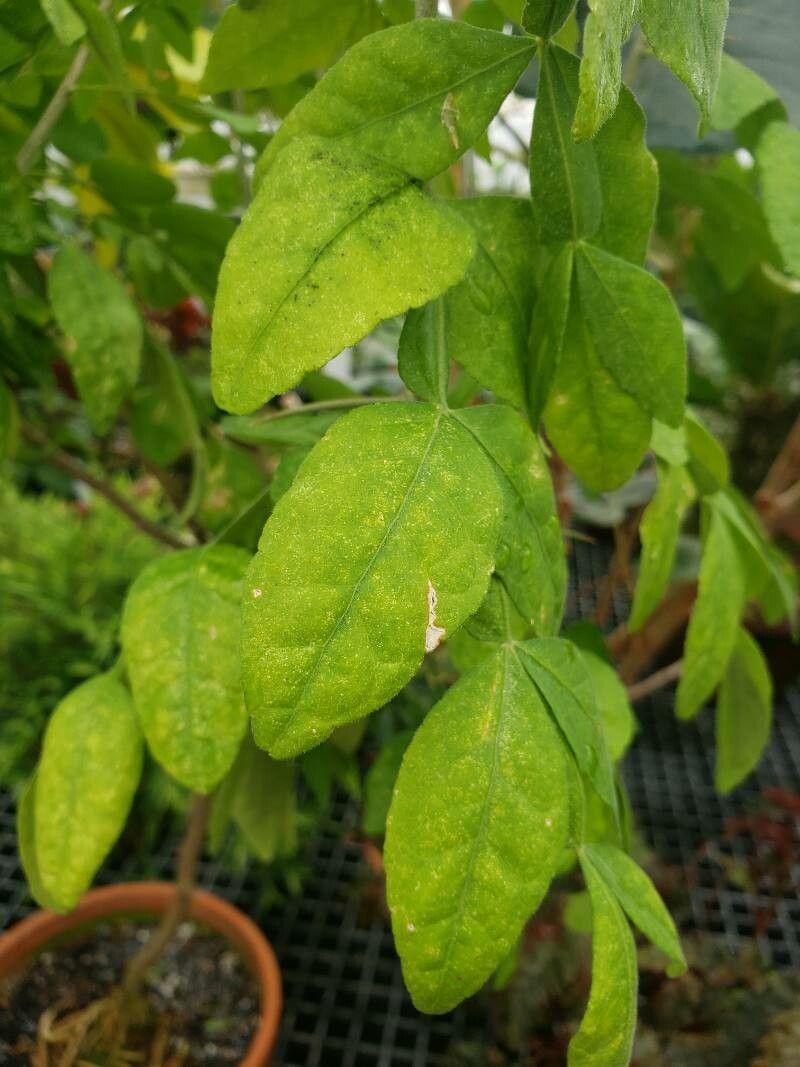
Hey there, fellow plant lovers! I’m so excited to chat with you today about a truly special citrus relative: Citropsis daweana. If you’re looking for a plant that brings a touch of the exotic and a delightful fragrance to your space, this is it. Its glossy leaves and potential for lovely little fruits are a real treat. Propagating Citropsis daweana can be a bit of a journey, but the reward of nurturing a new life from a small piece of the parent plant? Absolutely priceless. While it’s not the absolute easiest for a brand-new beginner, with a little care and attention, you’ll find it quite an achievable and wonderfully satisfying project.
The Best Time to Start
Timing is everything, isn’t it? For Citropsis daweana, the sweet spot for propagation is definitely during its active growing season. Think late spring through summer. This is when the plant has the most energy reserves to put into developing new roots. Trying to propagate when it’s dormant, like in the depths of winter, is just asking for disappointment. You want to catch it when it’s feeling vigorous and ready to branch out!
Supplies You’ll Need
Before we dive in, let’s gather our tools. It’s like packing for an adventure!
- Sharp Pruning Shears or a Clean Knife: For making precise cuts.
- Rooting Hormone: A little help goes a long way! Look for one specifically for woody cuttings.
- Well-Draining Potting Mix: I love a blend of perlite, peat moss, and a bit of compost. You can also find specialized citrus or seed-starting mixes.
- Small Pots or Seedling Trays: Clean ones are a must to prevent disease.
- Plastic Bag or Humidity Dome: To create that cozy, humid environment cuttings crave. A clear plastic bag works wonders.
- Water: For initial hydration and misting.
- Optional: A Heat Mat: This can significantly boost success rates, especially if your space is a bit cool.
Propagation Methods: Let’s Get Our Hands Dirty!
We’ll focus on the tried-and-true method of stem cuttings, which is generally the most reliable for Citropsis daweana.
Stem Cuttings: The Classic Approach
- Select Your Cuttings: In late spring or summer, choose healthy, vigorous stems from your established plant. Look for stems that are partially woody – not brand new, bright green growth, and not old, hard wood. A stem that bends rather than snapping easily is a good indicator. You want pieces that are about 4-6 inches long.
- Make the Cut: Using your clean shears or knife, make a clean cut just below a leaf node (where a leaf attaches to the stem). This is where the magic happens for root development.
- Prepare the Cutting: Gently remove the lower leaves, leaving just a few at the very top. This prevents them from rotting in the soil and also reduces water loss. You can even take a sharp knife and gently scrape a thin layer of bark off one side of the base (about an inch long). This exposes more cambium layer, which can encourage rooting.
- Apply Rooting Hormone: Dip the cut end of the stem into your rooting hormone powder or gel, tapping off any excess. Don’t be shy – this stuff is your propagation superpower!
- Plant Your Cuttings: Fill your small pots with your moistened rooting mix. Make a pilot hole with a pencil or your finger to avoid scraping off the rooting hormone. Insert the cutting into the hole, making sure it feels snug. Gently firm the soil around it.
- Provide Humidity: Water the soil gently until it’s evenly moist but not waterlogged. Now, cover the pot loosely with a plastic bag or place it under a humidity dome. This creates a mini-greenhouse effect. You can insert a couple of skewers to keep the bag from touching the leaves.
- Find a Spot: Place the pot in a bright location that receives indirect light. Avoid direct sun, which can scorch the cuttings. If you have a heat mat, place the pots on it.
The “Secret Sauce” (Pro Tips)
Here are a few little tricks I’ve picked up along the way that can really make a difference:
- Don’t Let Leaves Touch the Water: If you’re tempted to put cuttings in water first (though I generally prefer soil for citrus relatives), ensure absolutely no leaves are submerged. They’ll rot in a heartbeat, and that fungus can spread.
- Bottom Heat is Your Best Friend: If you can swing it, a heat mat under your propagation tray is a game-changer. It encourages root growth from the bottom up, mimicking ideal soil temperatures. I’ve seen my success rates jump significantly with this one tip.
- Mist, Don’t Drench: Regularly mist the leaves of your cuttings (if the bag is off or you lift it) to keep them turgid. But remember, the goal is to keep the soil consistently moist, not soggy. Soggy is the enemy of happy roots.
Aftercare & Troubleshooting
Patience is key! It can take anywhere from 4-8 weeks, or even longer, for Citropsis daweana cuttings to develop enough roots to show significant growth.
- Checking for Roots: You can gently tug on a cutting. If you feel resistance, that’s a good sign of root development. Alternatively, if you used clear pots or seedling trays, you might see roots peeking out the bottom.
- Acclimatizing: Once you see good root growth, it’s time to start gradually acclimatizing your new plant to normal conditions. Over a week or two, slowly increase the amount of air circulation by opening the bag or dome for longer periods.
- Transplanting: When your cutting is well-rooted and shows new leaf growth, you can carefully transplant it into its own small pot with a good quality potting mix.
- Troubleshooting Rot: The most common sign of failure is wilting and blackening at the base of the cutting. This is almost always a sign of too much moisture and poor air circulation, leading to rot. If you see this, sadly, that cutting is likely lost. Don’t get discouraged – just learn from it and try again!
A Warm Wrap-Up
Propagating Citropsis daweana is a slow and steady process, but oh-so-rewarding. Think of yourself as a plant midwife, nurturing this tiny spark of life into a vibrant new plant. Be patient with yourself and the cuttings, embrace the learning curve, and most importantly, enjoy the magic of creation unfolding in your own home. Happy propagating!
Resource: