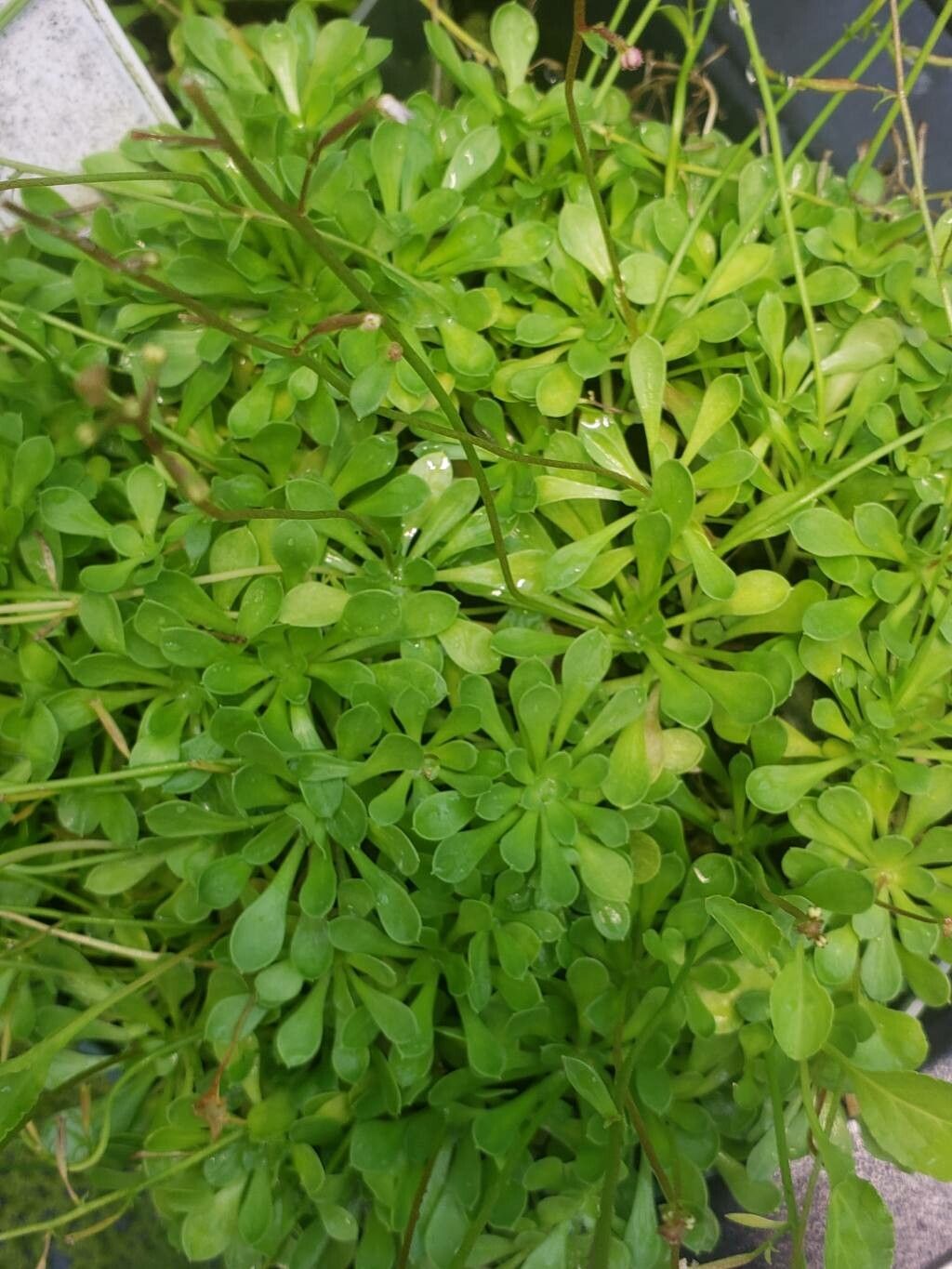
Hello there, fellow plant lovers! I’m so excited to chat with you today about a truly unique little gem for your garden: Stylidium debile, often called the “pinwheel plant.” If you’re looking for something a bit unusual, with delicate, almost whimsical flowers that seem to dance on their stems, this is one you’ll adore. And you know what’s even better? Learning to propagate it means you can share its charm with friends, or simply fill your space with more of its magic. While it might seem a little mysterious at first, propagating Stylidium debile is absolutely achievable, even for those of you who are just starting out on your propagation journey.
The Best Time to Start
For the highest success rates with Stylidium debile, I’ve found that spring and early summer are your golden windows. This is when the plant is in its most vigorous growth phase. You’ll have plenty of healthy new stems to work with, and the warmer temperatures provide the perfect environment for cuttings to root. Waiting until the plant has recovered from the cooler months really makes a difference.
Supplies You’ll Need
Gathering your supplies beforehand makes the whole process so much smoother. Here’s what I recommend having on hand:
- Sharp, clean pruning shears or a sharp knife: This is crucial for making clean cuts, which helps prevent disease and encourages rooting.
- Seed-starting mix or a well-draining potting mix: I often use a blend of peat moss, perlite, and a touch of compost. Stylidium debile hates soggy feet, so good drainage is non-negotiable.
- Small pots or propagation trays: Clean pots are key to preventing fungal issues.
- Rooting hormone (optional but helpful): A bit of rooting powder or gel can give your cuttings an extra boost of confidence.
- A plastic bag or propagator lid: This creates a mini-greenhouse to keep humidity high around your cuttings.
- Perlite or vermiculite: Good for mixing into your soil or as a top dressing to retain some moisture while ensuring aeration.
- Watering can with a fine rose: Gentle watering is essential.
- Labels and a waterproof pen: Trust me, you’ll thank yourself later for labeling your pots!
Propagation Methods
While Stylidium debile can be grown from seed, I find the most reliable and quickest way to multiply your plants is through cuttings.
Stem Cuttings:
This is my go-to method for Stylidium debile.
- Select Your Parent Plant: Choose a healthy, actively growing Stylidium debile. Look for stems that are firm but not woody.
- Take the Cuttings: Using your clean pruning shears or knife, take cuttings that are about 3-4 inches long. Make your cuts just below a leaf node (where a leaf attaches to the stem). These nodes are where the magic happens, where roots are most likely to form.
- Prepare the Cuttings: Gently remove the lower leaves from the cutting, leaving only the top 2-3 sets of leaves. This prevents the submerged leaves from rotting. If the leaves are very large, you can even cut them in half to further reduce water loss.
- Apply Rooting Hormone (Optional): If you’re using rooting hormone, dip the cut end of the stem into the powder or gel. Tap off any excess.
- Pot Them Up: Fill your small pots or propagation trays with your moistened, well-draining potting mix. Make a small hole in the center of the soil with your finger or a pencil.
- Insert the Cuttings: Gently place the prepared cutting into the hole, ensuring the lower leaf nodes are below the surface of the soil. Firm the soil gently around the stem to ensure good contact.
- Water Gently: Water the soil lightly from above.
- Create a Humid Environment: Place a plastic bag over the pot, or put the pots inside a propagator with the lid on. This traps humidity, which is vital for cuttings that can’t yet absorb water through roots. Ensure the leaves aren’t touching the inside of the bag; you can prop it up with small sticks if needed.
- Placement: Find a bright spot that receives indirect light. Avoid direct sun, which can scorch the delicate cuttings.
The “Secret Sauce”
Here are a couple of tricks I’ve learned that really give propagation success a boost:
- Bottom Heat is Your Friend: Stylidium debile loves a little warmth from below, especially when rooting. If you have an old seedling heat mat, placing your pots on it can significantly speed up root development. It mimics the feeling of warm soil after a spring rain.
- Don’t Overwater, But Don’t Let Them Dry Out: This is a fine line to walk. The soil should always feel slightly damp to the touch, never soggy and never bone dry. Check humidity by gently touching the soil. If it feels dry, mist or give it a very light watering. The plastic bag will help maintain this for you, but it’s still good to check.
Aftercare & Troubleshooting
Once you start to see signs of new growth – a tiny new leaf unfurling or resistance when you gently tug on the cutting – you know roots have formed!
- Introduce to Air Gradually: Once rooted, slowly acclimate your new plants to normal air by opening the plastic bag or propagator lid for increasing periods each day over a week.
- Continue Bright, Indirect Light: Keep them in their bright, but indirect, light situation.
- Water as Needed: Water them when the top inch of soil feels dry.
- Transplanting: When they’ve developed a decent root system and are growing well, you can transplant them into slightly larger pots with fresh, well-draining soil.
Now, what if things don’t go as planned? The most common issue you might face is rot. If your cuttings turn mushy, black, or slimy, that’s usually a sign of too much moisture and not enough air circulation. If you see this, it’s best to discard those cuttings and start fresh, paying extra attention to your watering and airflow. Another sign of failure can be wilting that doesn’t improve even with watering. This could mean the cutting is too dry, or it might be struggling to root.
Don’t be discouraged if your first attempt isn’t perfect. Gardening, and propagating plants especially, is all about learning and experimenting. Be patient with your new little Stylidium debile plants, and celebrate every success, no matter how small. Enjoy the process of nurturing life and expanding your plant family! Happy propagating!
Resource:
https://identify.plantnet.org/k-world-flora/species/Stylidium%20debile%20F.Muell./data