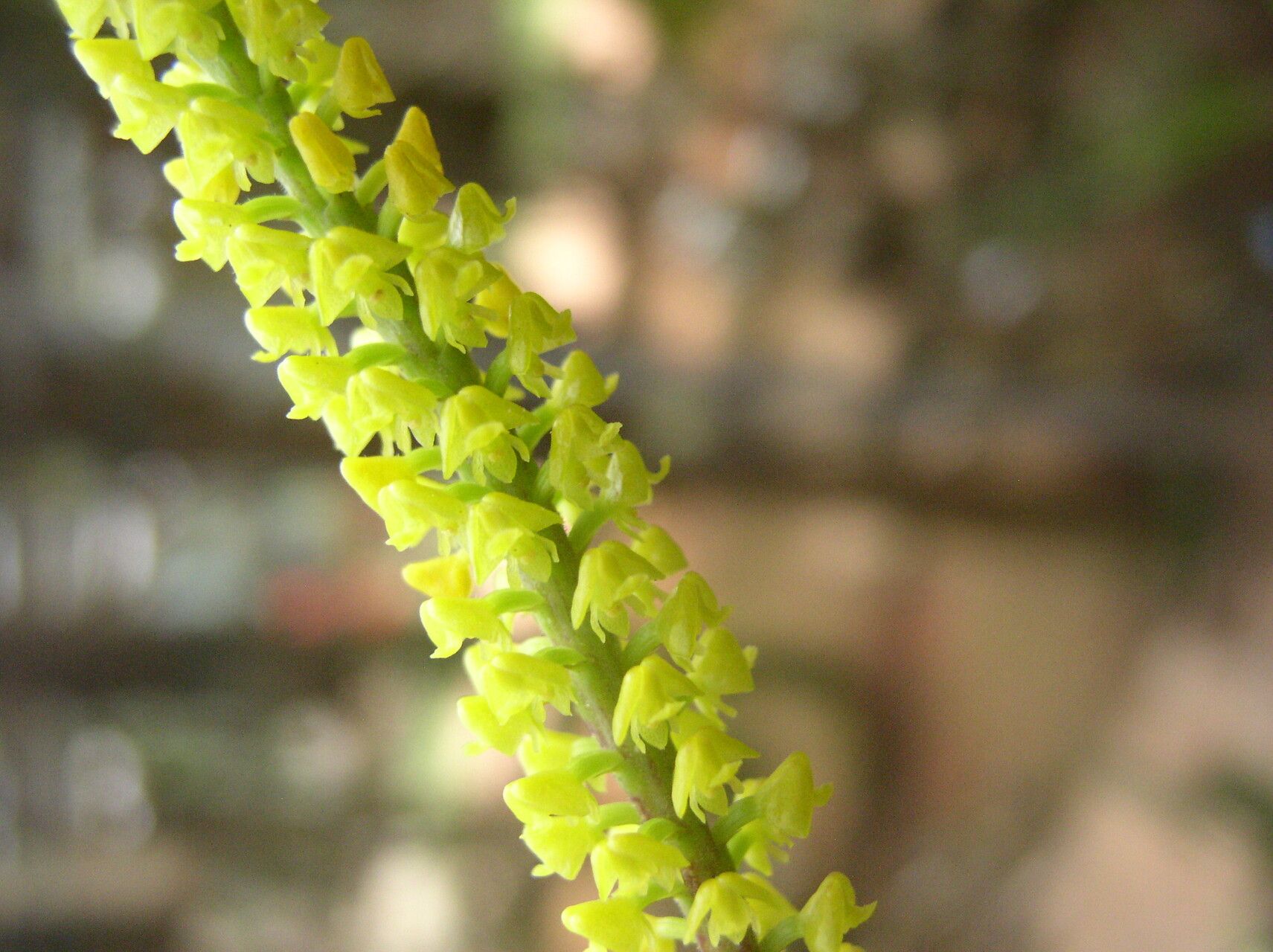
Oh, hello there! It’s so lovely you’re thinking about bringing more Polystachya golungensis into your life. Isn’t that a mouthful? People often just call it a “small, fascinating orchid.” And fascinating it is! With its charming clusters of delicate, often vibrantly colored flowers, it truly brings a little bit of jungle magic indoors. Propagating these beauties can feel a little intimidating at first, especially if you’re new to orchids. I’d say it’s moderately challenging – not a walk in the park, but definitely achievable with a bit of patience and good information. And the reward? Oh, it’s immense! Seeing a tiny new plant unfurl its first leaves, knowing you helped create that life, is pure joy.
The Best Time to Start
For Polystachya golungensis, the sweet spot for propagation is usually in the spring. This is when the plant is naturally gearing up for its main growth spurt after a period of rest. You’ll see new pseudobulbs beginning to swell and new leaf growth emerging. Starting then gives your new cuttings plenty of time to establish themselves before the cooler, dimmer days of winter set in.
Supplies You’ll Need
Gathering your supplies beforehand makes the whole process so much smoother. Here’s what I typically have on hand:
- Sharp, sterile pruning shears or a hobby knife: Cleanliness is crucial to prevent disease.
- Orchid bark mix: A good quality, airy mix is essential. I often use a blend of fine fir bark, perlite, and a bit of horticultural charcoal.
- Sphagnum moss: High-quality, long-fibered sphagnum is great for holding moisture.
- Small pots or seed trays: Whatever you have that allows for good drainage. Small plastic cups with holes poked in the bottom work in a pinch!
- Rooting hormone (optional but helpful): A powdered or gel form can give your cuttings a little boost.
- Clear plastic bag or a propagator: To create a humid environment.
- Misting bottle: For keeping humidity levels up.
- Labeling stakes: To keep track of what you’ve planted and when!
Propagation Methods
Polystachya golungensis is best propagated by division when the plant is mature enough, or by taking keikis (baby plants) that sometimes form on the mother plant. Stem cuttings aren’t typically the most successful method for this particular orchid.
Division
This is the most reliable way for established plants.
- Gently remove your Polystachya golungensis from its pot. inspect the root ball.
- Look for distinct sections of the plant. You’re aiming for divisions that have at least a couple of healthy pseudobulbs and a good portion of the root system attached.
- Using your sterile shears or knife, carefully cut through the rhizome (the connecting stem) to separate the divisions. Try to minimize damage to the roots.
- Trim away any dead or damaged roots.
- Repot each division into its own small pot with your airy orchid mix. Ensure the pseudobulbs are sitting on top of the mix, not buried too deeply.
- Water lightly and place in a humid, bright location, out of direct sunlight.
Keikis
Sometimes, your orchid will surprise you with little baby plantlets, called keikis, which sprout from the mother plant.
- Wait until the keiki is a decent size and has developed its own roots. You’ll usually see tiny aerial roots forming.
- Carefully separate the keiki from the mother plant using your sterile shears or knife. Try to get as many of its roots as possible.
- Pot the keiki in a small pot with orchid mix, just as you would a division.
- Maintain high humidity around the keiki until it shows signs of new growth.
The “Secret Sauce” (Pro Tips)
Here are a few little tricks I’ve learned over the years that can make a big difference:
- Air Circulation is Key: While these orchids love humidity, don’t suffocate your cuttings with a completely sealed environment. A little bit of airflow helps prevent fungal issues. I often partially open the plastic bag on my propagator for an hour or two each day.
- Bottom Heat Works Wonders: If you have a seedling heat mat, placing your pots on it can significantly speed up root development. It mimics the warm, humid conditions these orchids thrive in. Make sure it’s set to a gentle warmth, not hot!
- Don’t Over-Water! This is probably the biggest mistake people make with orchids. Allow the potting mix to dry out slightly between waterings, especially after you’ve potted up your divisions or keikis. Overwatering is the quickest way to invite rot.
Aftercare & Troubleshooting
Once your little Polystachya golungensis has started to show signs of new growth – a tiny leaf unfurling or roots visibly growing – you’re on the right track! Continue to keep it in bright, indirect light and maintain consistent humidity. Gradually, you can let the potting mix dry out a bit more between waterings as it matures.
The most common sign of trouble is rot. If you see a pseudobulb turning mushy and black, or if cuttings simply refuse to root and start looking limp or discolored, it’s usually a sign of too much moisture and not enough airflow. Sadly, sometimes it’s best to discard a rotted cutting to prevent it from spreading. Don’t be discouraged; it happens to the best of us! Just try to learn from it and adjust your watering or humidity for the next attempt.
A Little Patience, A Lot of Joy
Propagating orchids, especially delicate ones like Polystachya golungensis, is a journey. It requires a bit of patience and observation. Don’t rush the process, and trust your instincts. Enjoy the satisfaction of nurturing these tiny lives, and soon you’ll have a whole collection of these miniature orchid marvels to admire. Happy growing!
Resource:
https://identify.plantnet.org/k-world-flora/species/Polystachya%20golungensis%20Rchb.f./data