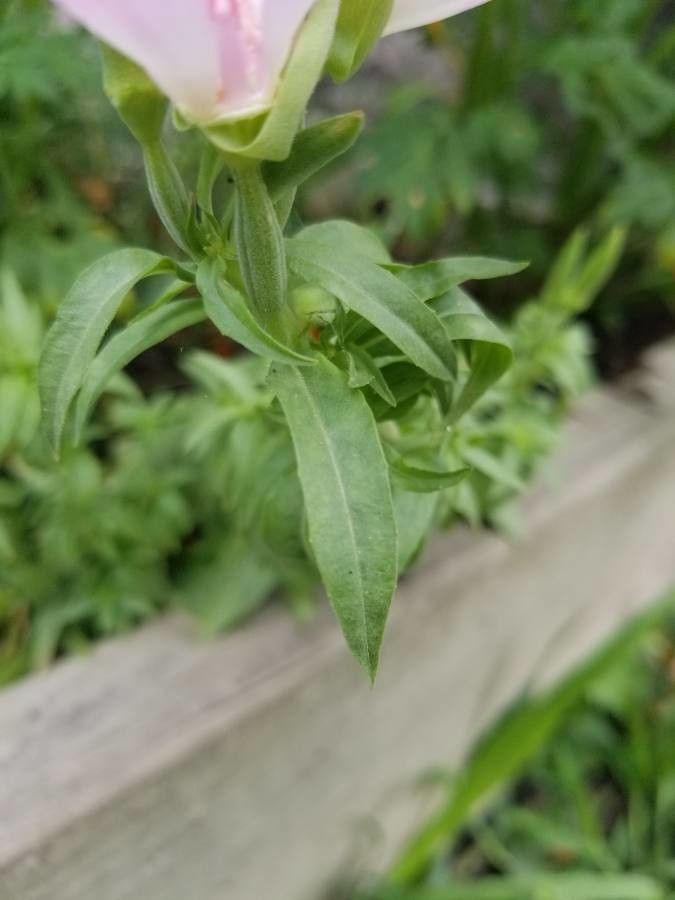
Hey there, fellow plant lovers! Today, we’re diving into the wonderfully approachable world of propagating Clarkia rubicunda, also known as Red Outreds or Farewell to Spring. If you’ve ever admired these beautiful native California wildflowers, with their delicate, crinkled petals in shades of pink, salmon, and rose, then get ready! Propagating them is a truly rewarding experience, and I’m happy to report, it’s quite forgiving. Even if you’re new to the plant parent game, you’ll likely find success with these beauties.
The Best Time to Start
For Clarkia rubicunda, the sweet spot for propagation is typically in late spring or early summer. This is when the parent plants are actively growing and have plenty of fresh, vigorous material to offer. Waiting until after the main flowering flush, but before the plants start to naturally go to seed and dry out, gives you the best chance for healthy starts.
Supplies You’ll Need
Gathering your supplies makes the whole process so much smoother. Here’s what I recommend having on hand:
- Sharp, clean pruning shears or a sharp knife: For making clean cuts.
- Small pots or seed trays: Clean ones are key to preventing disease.
- Propagation mix: A light, well-draining mix is crucial. I often use a blend of perlite, peat moss, and a bit of compost. You can also buy commercial seed starting mixes.
- Rooting hormone (optional, but helpful): Especially if you’re taking stem cuttings.
- Watering can with a fine rose or a spray bottle: To avoid disturbing delicate seedlings or cuttings.
- Labels or markers: To keep track of what you’ve sown.
- A warm, bright location: Like a windowsill or a greenhouse.
Propagation Methods
Clarkia rubicunda is wonderfully easy to propagate from seed, but you can also have success with stem cuttings if you’re feeling adventurous!
From Seed (The Easiest Way!)
This is my absolute favorite method for Clarkia rubicunda. It’s so straightforward and yields beautiful results.
- Collect your seeds: Once the flower stalks have faded and begun to dry, look for the developing seed pods. They’ll usually turn brown and papery. Gently collect them on a dry day. You can simply tap the dried pods over a container to release the seeds.
- Prepare your pots: Fill your clean pots or trays with your propagation mix. Moisten the mix thoroughly but ensure it’s not waterlogged.
- Sow the seeds: Sprinkle the seeds thinly over the surface of the soil. You don’t need to bury them deeply; a very light covering of soil or vermiculite is sufficient.
- Water gently: Use your fine rose watering can or spray bottle to water the surface of the soil.
- Provide warmth and light: Place the pots in a bright location, but out of direct, scorching sun. A windowsill that gets morning sun is often perfect.
- Be patient: Germination can take anywhere from one to three weeks. Keep the soil consistently moist but not soggy. You’ll start to see little green shoots emerge, and soon you’ll have tiny Clarkia seedlings!
From Stem Cuttings (For the Slightly More Adventurous)
While less common for this plant, you can try taking stem cuttings from healthy, non-flowering shoots.
- Take cuttings: In late spring or early summer, select a healthy, vigorous stem from a mature plant. Using your clean pruning shears, make a cut just below a leaf node. Aim for cuttings that are 3-4 inches long.
- Prepare the cuttings: Gently remove the lower leaves, leaving just a few at the top. If you’re using rooting hormone, dip the cut end into it, tapping off any excess.
- Pot the cuttings: Fill small pots with your propagation mix. Make a small hole with a pencil or your finger and insert the cut end of the stem. Gently firm the soil around the cutting.
- Water and cover: Water the soil well. To create a humid environment, you can cover the pot with a clear plastic bag, secured with a rubber band, or place it in a propagator. Make sure the leaves don’t touch the sides of the bag.
- Provide warmth and light: Place the pots in a bright location out of direct sun.
The “Secret Sauce” (Pro Tips)
Here are a few little tricks I’ve learned over the years that can really boost your propagation success:
- Pre-stratify seeds (optional): While not strictly necessary for Clarkia rubicunda, a short period of cold stratification (mixing seeds with damp sand and refrigerating for a couple of weeks) can sometimes improve germination rates, especially if your seeds are from a less-than-ideal harvest. It mimics winter conditions.
- The “slump test”: When watering your seedlings or cuttings, I always do the “slump test.” If the soil looks moist but feels firm and heavy when you gently poke it, it’s probably fine. If it feels very wet and squishy, you might be overwatering. Aim for consistently moist, not soggy.
- Bottom heat is your friend (for cuttings): If you’re trying stem cuttings, especially in cooler weather, using a heating mat underneath your pots can significantly speed up root development. It mimics the warmth of spring soil and encourages those roots to form.
Aftercare & Troubleshooting
Once your seeds have sprouted or your cuttings have rooted, it’s time to switch gears slightly.
- Watering: Continue to water gently, allowing the soil to dry out slightly between waterings. As the plants grow stronger, you can let them dry out a bit more.
- Light: Gradually introduce your young plants to more light. If they’re getting leggy (tall and spindly), it means they need more light.
- Transplanting: Once your seedlings or cuttings have a good root system and are strong enough to handle, you can transplant them into larger pots or directly into your garden outdoors. Do this after all danger of frost has passed.
Now, what if things go wrong?
- Rotting: The most common problem is rot, usually caused by overwatering and poor drainage. If you see seedlings or cuttings turning mushy and brown at the base, it’s a sign of damp conditions. Ensure your soil drains well and don’t let them sit in water.
- No germination: If seeds don’t sprout, they might be too old, planted too deeply, or the conditions weren’t right. Don’t be discouraged; just try again.
- Legginess: As mentioned, legginess indicates insufficient light. Move them to a brighter spot immediately.
A Encouraging Closing
Propagating Clarkia rubicunda is a journey, and like any good garden adventure, it’s about patience and observation. Don’t be afraid to experiment and learn from each attempt. The satisfaction of nurturing a tiny seed into a blooming plant is truly special. So grab your supplies, get your hands dirty, and enjoy the magic of new life! Happy gardening!
Resource: