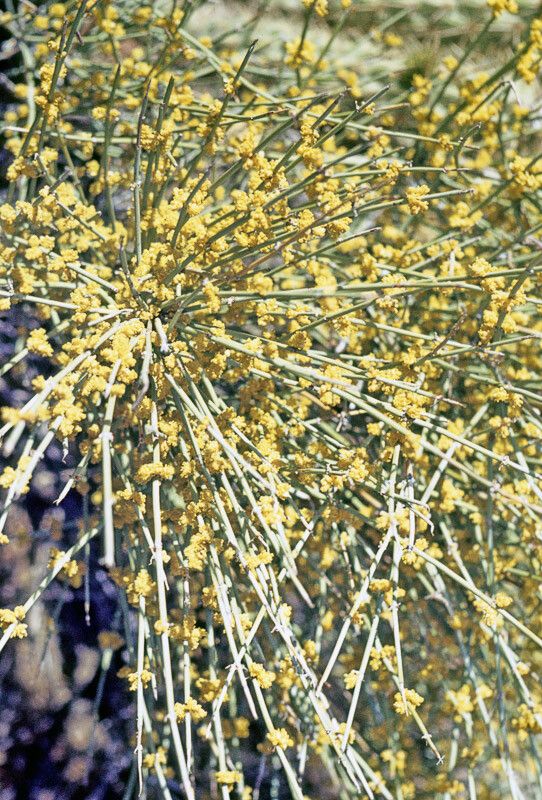
Hello there, fellow plant enthusiasts! Today, we’re diving into the fascinating world of Ephedra californica, also known as California Ephedra or Mormon Tea. If you’ve ever admired its wiry, architectural stems and its ability to thrive in seemingly impossible conditions, you’re not alone. This native stunner has a quiet charm that really grows on you.
Propagating Ephedra californica is a wonderfully rewarding journey. It’s how I’ve expanded my own collection over the years, and it’s a fantastic way to share this unique plant with friends. While it might seem a little unique, I’d say it’s moderately challenging for absolute beginners, but with a little guidance and patience, you’ll be successful.
The Best Time to Start
For Ephedra californica, late spring to early summer is your golden window. This is when the plant is actively growing, and cuttings taken now will have the best chance of rooting. Look for stems that are firm but not yet woody. You want that sweet spot of semi-hardwood.
Supplies You’ll Need
Gathering your tools beforehand makes the whole process smoother. Here’s what you’ll want to have on hand:
- Sharp Pruning Shears or a Knife: Cleanliness is key here to prevent disease.
- Rooting Hormone: A powdered or liquid hormone helps encourage root development. It’s not strictly mandatory, but it gives you a significant edge.
- Well-Draining Potting Mix: I prefer a mix of one part perlite, one part coarse sand, and one part peat moss or coco coir. You want that water to drain away quickly.
- Small Pots or Propagation Trays: Clean pots are essential!
- Plastic Bags or a Clear Dome: This creates a mini-greenhouse effect.
- Watering Can with a Fine Rose: Gentle watering is important.
- Optional: Bottom Heat Mat: This can significantly speed up rooting, especially in cooler conditions.
Propagation Methods
Let’s get our hands dirty! I find stem cuttings to be the most reliable method for Ephedra californica.
Stem Cuttings:
- Take Your Cuttings: With your clean shears, select healthy, current-season stems that are about 4-6 inches long. Make your cut just below a leaf node (where the leaves join the stem). Remove the lower leaves, leaving just a few at the top. If your cuttings have any small, developing seed cones, you can leave them on; they don’t seem to harm rooting.
- Prepare for Rooting: Dip the cut end of each stem into your rooting hormone, tapping off any excess.
- Plant Your Cuttings: Fill your small pots with your well-draining mix. Make a pilot hole with a pencil or your finger, about an inch deep. Gently insert the base of your cutting into the hole and firm the soil around it.
- Water Gently: Water the soil thoroughly until it’s moist but not waterlogged.
- Create a Humid Environment: Cover the pot with a clear plastic bag, securing it around the rim with a rubber band, or place it under a clear propagation dome. This keeps the humidity high, preventing the cuttings from drying out.
The “Secret Sauce” (Pro Tips)
Here are a couple of things I’ve learned over the years that can make a real difference:
- Bottom Heat is Your Friend: If you can, place your pots on a bottom heat mat set to around 70-75°F (21-24°C). This warmth encourages root growth from below and is especially helpful if your ambient room temperature is cooler. It speeds things up considerably!
- Don’t Drown Them! While humidity is crucial, overwatering is the quickest way to kill your cuttings. The goal is moist, not soggy. If you see water pooling on the surface an hour after watering, you’ve gone too far.
Aftercare & Troubleshooting
Once your cuttings are planted, patience is your mantra. Keep them in a bright spot with indirect sunlight. Avoid direct sun, which can scorch those tender cuttings.
Check the soil moisture regularly. You want it to stay consistently moist but never soggy. If you’re using a plastic bag, open it up for an hour or so every few days to allow for some air circulation and to check for moisture levels. This also helps prevent fungal issues.
Signs of Success: You’ll know your cuttings are rooting when you see new growth emerging from the tip or leaf nodes. This might take anywhere from 4 weeks to a few months, depending on conditions. Gently tugging on a cutting is not recommended as it can disturb developing roots.
Signs of Trouble: The most common issue is rot. If your cuttings start to turn black and mushy at the base, it’s almost always a sign of too much moisture and not enough air circulation. Unfortunately, rotted cuttings are usually a lost cause. Discard them immediately to prevent the rot from spreading. If the leaves start to wilt and turn yellow but the stem is firm, it might be a sign of underwatering or insufficient humidity.
A Little Encouragement
Propagating Ephedra californica is a process. There might be a few that don’t make it, and that’s perfectly okay. Don’t get discouraged! Each attempt teaches you something new. Cherish the journey, celebrate your successes, and before you know it, you’ll have a whole clutch of these wonderful native plants to enjoy. Happy gardening!
Resource:
https://identify.plantnet.org/k-world-flora/species/Ephedra%20californica%20S.Watson/data