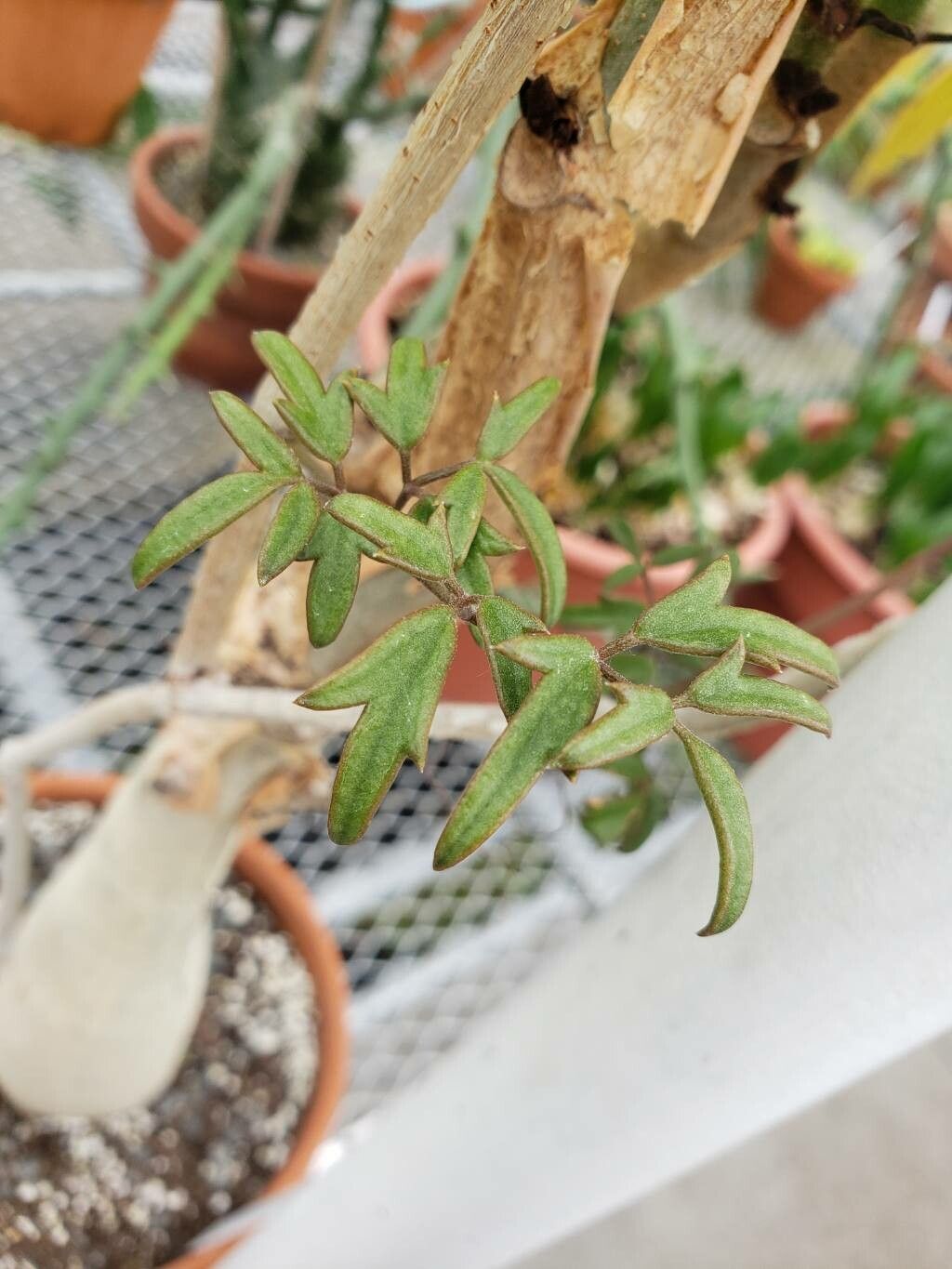
Oh, hello there! Come on in, grab a mug. I’m so excited to chat with you today about a plant that’s captured my heart: Cyphostemma elephantopus. You know, the one with those wonderfully chunky, bulbous stems that look like miniature elephant feet? It’s just got this prehistoric charm, doesn’t it? And the best part? You can actually multiply these beauties right in your own home.
Propagating this gem is incredibly rewarding. Watching a new little sprout emerge from a seemingly dormant piece is pure magic. Now, is it the easiest plant for a complete beginner? I’d say it’s somewhere in the middle. It’s not impossible by any means, but a little bit of patience and careful attention go a long way. But don’t let that deter you – with a few pointers, you’ll be well on your way!
The Best Time to Start
Timing is everything in the garden, and it’s certainly true for Cyphostemma elephantopus. You’ll have the most success starting your propagation adventures in the late spring or early summer. This is when the plant is in its active growth phase. You can really feel the energy in the stems, and they’re more inclined to root readily. Trying to propagate when the plant is dormant in winter is generally not recommended.
Supplies You’ll Need
Don’t worry, you don’t need a whole fancy setup for this. Just a few key things will do the trick:
- Sharp Pruning Shears or a Clean Knife: To make clean cuts on your parent plant and cuttings. This is important to prevent damage and disease.
- Well-Draining Potting Mix: I like to use a mix of perlite and coarse sand with a good quality potting soil. Think of something that drains like a sieve, not like a sponge! Cactus and succulent mixes work wonderfully.
- Small Pots or Propagation Trays: Whatever you have that can hold your cuttings and allow for airflow.
- Rooting Hormone (Optional but Recommended): This can give your cuttings a helpful boost. Look for a powdered or liquid rooting hormone specifically for semi-hardwood cuttings.
- Watering Can with a Fine Rose or a Spray Bottle: For gentle watering.
- Labels and a Marker: To keep track of what you’ve planted!
Propagation Methods
The most reliable way I’ve found to propagate Cyphostemma elephantopus is through stem cuttings. They’re surprisingly robust.
- Select Your Stem: Choose a healthy, mature stem from your parent plant. Look for one that’s firm and has some size to it, maybe at least 4-6 inches long. Avoid any soft, mushy, or damaged sections.
- Make the Cut: Using your sharp shears or knife, make a clean cut just below a leaf node. A leaf node is where a leaf emerges from the stem. This is a zone with a high concentration of growth hormones, which will help it root.
- Prepare the Cutting: Gently remove any lower leaves from the stem. You want to expose a little bit of the stem itself. If there are any leaves near the top, you can leave them.
- Apply Rooting Hormone (if using): Dip the cut end of the stem into your rooting hormone powder or liquid. Tap off any excess. This step really helps to encourage root formation.
- Plant Your Cutting: Make a small hole in your well-draining potting mix using a pencil or your finger. Insert the cut end of the stem into the hole, making sure it’s firm enough to stand on its own. Gently firm the soil around it.
- Water Gently: Water the potting mix lightly. You don’t want to waterlog it, just moisten it thoroughly. A spray bottle is excellent for this initial watering to avoid disturbing the cutting.
- Find a Suitable Spot: Place your pot in a bright location with indirect light. Avoid direct, harsh sunlight, which can scorch the delicate cutting.
If you’re feeling adventurous, you can also try water propagation, though I’ve found it’s a bit trickier with these guys as they can be prone to rot if left in water too long. If you go this route:
- Prepare your cutting as above, but skip the rooting hormone.
- Place the cutting in a clean jar or glass of clean water.
- Crucially, ensure that no leaves are submerged in the water. Only the bare stem should be in contact with the water.
- Change the water every few days to keep it fresh.
- Place in bright, indirect light.
The “Secret Sauce” (Pro Tips)
Alright, let me spill a few beans that have made all the difference for me:
- The Callusing Trick: After you make your stem cutting, I like to let it sit out in a dry, airy spot for a day or two before planting. This allows the cut end to “callus over,” which helps prevent rot. It’s like giving your cutting a little protective scab!
- Bottom Heat is Your Friend: Cyphostemma elephantopus loves a little warmth to get its roots going. Placing your pots on a heated seed mat can significantly speed up the rooting process. It mimics the warmth of the soil in its natural habitat.
- Less is More with Watering: Once your cuttings are rooted, it’s easy to overwater. Remember, these plants often store water in their stems. Let the potting mix dry out slightly between waterings. It’s much better to underwater a little than to overwater.
Aftercare & Troubleshooting
Once you start to see signs of new growth – a little leaf unfurling or tiny roots peeking out of the drainage holes – congratulations! You’ve successfully rooted your cutting. Now, continue to keep it in bright, indirect light. Water it sparingly, allowing the soil to dry out a bit. You can continue to use a balanced houseplant fertilizer diluted to half strength once a month during the growing season.
The most common issue you might encounter is rot. If your cutting looks like it’s wilting, turning mushy, or developing black spots, it’s likely due to too much moisture. If you catch it early, you might be able to save it by cutting away the rotted parts and repotting in dry, fresh soil. Sometimes, unfortunately, it’s a sign that the cutting won’t make it. Don’t get discouraged!
A Encouraging Closing
See? It’s not so daunting, is it? The journey of propagation is one of patience and observation. Be kind to yourself, enjoy the process of nurturing these little lives, and don’t be afraid to experiment. You’ll learn so much along the way, and soon you’ll be surrounded by your very own herd of miniature elephant-footed beauties! Happy growing!
Resource:
https://identify.plantnet.org/k-world-flora/species/Cyphostemma%20elephantopus%20Desc./data