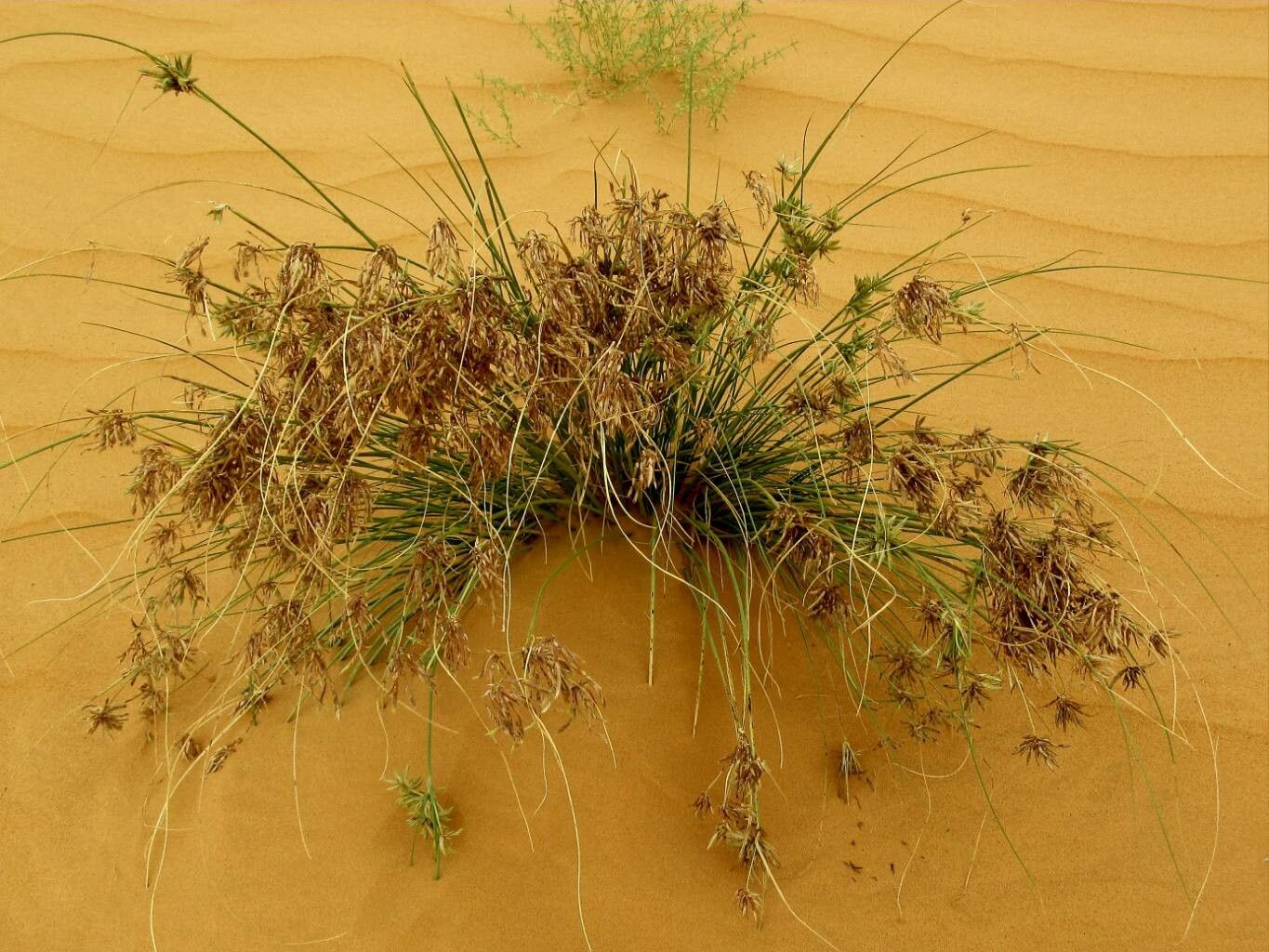
Hello fellow plant lovers! Today, I want to talk about a truly delightful plant: Cyperus conglomeratus, often called the Umbrella Sedge. You know the ones I mean, with those elegant, grass-like leaves that arch out like a miniature umbrella? They bring such a wonderful sense of calm and structure to any indoor space or garden. And the best part? They’re surprisingly easy to multiply! I’ve been coaxing new life from these beauties for years, and it’s such a rewarding feeling to watch a tiny cutting transform into a thriving plant. If you’re new to plant propagation, you’re in luck. Cyperus conglomeratus is a wonderfully forgiving subject, making it a fantastic plant to start your propagating journey with.
The Best Time to Start
For the most success with Cyperus conglomeratus, I find that late spring through early summer is simply magical. This is when the plant is in its most vigorous growing phase. Sunlight is abundant, and temperatures are generally warm and stable, all of which encourage root development. Trying to propagate too early in the spring when growth is just kicking off, or later in the fall when things are winding down, can sometimes lead to slower rooting or even failed attempts. So, mark your calendars for when the days start getting longer and warmer!
Supplies You’ll Need
Before we get our hands dirty, let’s gather our little army of tools. Having everything ready makes the process so much smoother.
- Sharp Pruning Shears or a Clean Knife: For making clean cuts. Don’t use dull tools; it can damage the plant and invite disease.
- Well-Draining Potting Mix: A mix of potting soil, perlite, and a bit of peat moss works wonderfully. You want it to hold moisture but not become waterlogged.
- Small Pots or Trays: Clean containers are key! Small 3-4 inch pots are perfect for new cuttings.
- Rooting Hormone (Optional but Recommended): While Cyperus conglomeratus often roots without it, a little rooting hormone can speed things up and increase your success rate. Look for one containing indole-3-butyric acid (IBA).
- Watering Can or Spray Bottle: For gentle watering.
- Clear Plastic Bags or a Propagation Dome: To create a humid environment for your cuttings.
Propagation Methods
There are a couple of ways to get more of these lovely sedges, and I find division to be the most straightforward.
Method 1: Division (My Go-To!)
This is usually the easiest and most successful method for Cyperus conglomeratus.
- Gently Remove the Plant: Take your mature plant out of its pot. If it’s really stuck, a little tap on the sides of the pot usually does the trick.
- Inspect the Roots: You’ll see that the plant grows from a central clump, often with multiple crowns. Gently tease apart the roots with your fingers. If they’re very tangled, you might need to use your pruning shears or a clean knife to cut through. Try to get at least 2-3 healthy shoots on each division, ensuring each piece has some roots attached.
- Pot Up the Divisions: Fill your small pots with your prepared potting mix. Make a small well in the center of each pot.
- Plant and Water: Place your divisions into the wells, ensuring the roots are spread out. Gently backfill with soil, firming it lightly around the base. Water them thoroughly until water drains from the bottom.
- Provide Humidity: Cover each pot loosely with a clear plastic bag or place them under a plastic dome to maintain humidity.
Method 2: Stem Cuttings (A Bit More Finesse)
This method is also quite effective, though it can take a little longer.
- Select Healthy Shoots: Look for a mature, healthy plant and choose some of its newest, most vigorous shoots. You want shoots that have developed their characteristic umbrella-like structure.
- Make the Cut: Using your sharp pruning shears, cut the shoot off at the base, just above the soil line.
- Prepare the Cutting: You can leave the foliage as is. Some gardeners like to trim off a bit of the foliage to reduce water loss, but I usually don’t find it necessary for Cyperus conglomeratus.
- Apply Rooting Hormone (Optional): If you’re using rooting hormone, dip the cut end of the shoot into the powder, tapping off any excess.
- Plant the Cutting: Fill a small pot with your well-draining potting mix. Make a small hole with your finger and insert the cut end of the shoot. Gently firm the soil around it.
- Water and Add Humidity: Water gently and then cover the pot with a clear plastic bag or place it in a propagation dome.
The “Secret Sauce” (Pro Tips)
Over the years, I’ve picked up a few little tricks that I find make a big difference.
- Don’t Drench, Just Dampen: When watering your divisions or cuttings, you want the soil to be consistently moist but never soggy. Soggy soil is the fastest way to invite rot. If you’re unsure, use your finger to check the moisture level about an inch down.
- Bottom Heat is Your Friend: If you have the ability, placing your pots on a seedling heat mat can significantly speed up root formation, especially for stem cuttings. It mimics the warmth of spring soil and encourages those roots to get going.
- Keep Them Out of Direct Sun (Initially): While Cyperus conglomeratus loves light, direct, scorching sun on newly divided plants or cuttings can be too much. Place them in a bright spot, but one that receives indirect sunlight until you see signs of new growth.
Aftercare & Troubleshooting
Once you see tiny white roots peeking out from the drainage holes, or new shoots unfurling from your division, it’s time for a little extra love!
- Gradual Acclimation: Once they have a good root system, start gradually removing the plastic bag or opening up your dome for a few hours each day. This helps them adjust to the drier indoor air before fully removing the cover.
- Move to Slightly Larger Pots: When the new plants fill their initial pots, it’s time to move them up to slightly larger containers.
- Signs of Rot: The most common problem you’ll encounter is rot. If a cutting or division starts to look mushy, yellow, and just generally sad, it’s likely rot. This is usually due to overwatering or poor drainage. If you catch it early, you might be able to save it by repotting it in fresh, dry soil. For divisions, try to trim away any rotten parts with a clean knife and replant.
A Little Patience Goes a Long Way
Propagating plants is a wonderful journey of patience and observation. Don’t be discouraged if your first attempt isn’t perfect. Every plant is a learning experience. Enjoy the process, celebrate the small victories, and soon you’ll have a whole little family of beautiful Cyperus conglomeratus to share! Happy gardening!
Resource:
https://identify.plantnet.org/k-world-flora/species/Cyperus%20conglomeratus%20Rottb./data