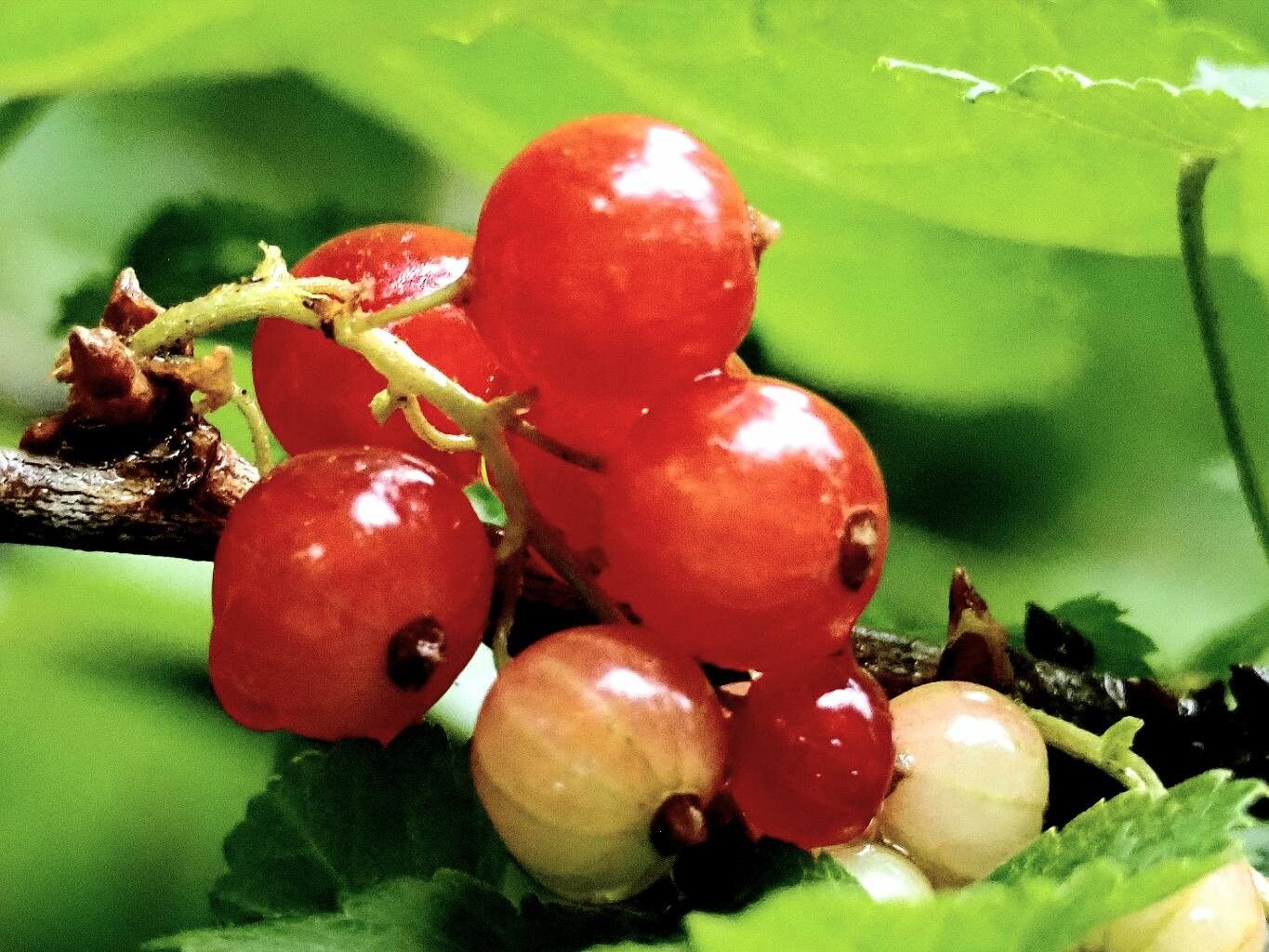
Oh, red currants! Aren’t they just the sweetest taste of summer? I’ve been growing and enjoying them for years, and there’s something so incredibly satisfying about nurturing a brand new bush from a tiny piece of an old one. I find propagating red currants (Ribes rubrum) to be a truly rewarding experience, and thankfully, it’s a pretty straightforward process, even for those just dipping their toes into the gardening world. You’ll be amazed at how many plants you can create!
The Best Time to Start
When it comes to getting the best bang for your buck with red currant propagation, late autumn or early winter, right after the leaves have fallen, is your golden window. The plant is dormantly slowing down, and the wood is mature. This is when you’ll get the firmest, healthiest cuttings that have the best chance of taking root. Think of it as giving your future plants the strongest start.
Supplies You’ll Need
Gathering your tools beforehand makes the whole process so much smoother. Here’s what I always have on hand:
- Sharp pruning shears or secateurs: Clean cuts are key!
- Rooting hormone powder (optional but recommended): This gives your cuttings a little boost.
- Small pots or seed trays: Whatever you have available that can hold soil and drain well.
- A good quality potting mix: I like a blend of peat-free compost, perlite, and a little sharp sand for excellent drainage.
- Watering can with a fine rose: Gentle watering is best.
- Plastic bags or a propagation lid: To create a humid environment.
- Sharp knife or blade: For any tidying of cuttings.
Propagation Methods
For red currants, stem cuttings are my absolute favorite and most reliable method. It’s tried and true!
Taking and Planting Stem Cuttings
- Select your parent plant: Choose a healthy, mature red currant bush.
- Make your cuts: Using your clean pruning shears, take cuttings from the current year’s growth. Look for healthy, firm, brown stems (not soft, green growth). You want pieces that are about the thickness of a pencil and roughly 15-20 cm (6-8 inches) long. Make your cut just below a leaf node (where a leaf attaches to the stem).
- Prepare the cuttings: Gently remove any small side shoots or flowers. Leave just two or three healthy buds at the very top. If the nodes are very close, you can trim the bottom leaf node flush, but generally, leave it intact.
- Dip in rooting hormone (optional): If you’re using rooting hormone, dip the bottom 2-3 cm (1 inch) of each cutting into the powder. Tap off any excess.
- Plant your cuttings: Fill your pots with the prepared potting mix. Make a hole in the soil with a pencil or your finger. Insert the cuttings into the holes, ensuring that at least two-thirds of the cutting is buried below the soil surface. Gently firm the soil around the base of each cutting.
- Water gently: Water the soil thoroughly until it’s moist but not waterlogged.
Water Propagation (Alternative)
While I lean towards soil for currants, you can try water propagation:
- Follow steps 1-3 above for preparing cuttings.
- Place the cuttings in a jar or vase filled with fresh water.
- Ensure that about half of the cutting is submerged. Crucially, make sure no leaves are touching the water. Submerged leaves will rot and prevent rooting.
- Change the water every few days to keep it fresh.
- Once you see roots appearing (this can take a few weeks), carefully transplant them into pots filled with your potting mix.
The “Secret Sauce” (Pro Tips)
Here are a few little tricks I’ve learned over the years that really make a difference with cuttings:
- The “Heel” Trick: Sometimes, when you cut a side shoot off a main branch, it leaves a tiny sliver of the main branch attached. Don’t discard that! This little “heel” of older wood can actually encourage faster rooting because it has more stored energy. Just tidy it up slightly.
- Bottom Heat is Your Friend: If you can, place your pots on a heat mat or in a warm spot (like on top of a fridge). This gentle warmth from below significantly speeds up root development. It’s like giving your cuttings a nice warm hug from beneath!
- Don’t Overcrowd: Give your cuttings a little personal space in their pots. Overcrowding can lead to poor air circulation, increasing the risk of fungal problems. A bit of space means happier, healthier plants.
Aftercare & Troubleshooting
Once your cuttings are planted, your job isn’t quite done!
- Maintain Humidity: Cover your pots with a plastic bag or a propagation lid. This traps moisture and creates a mini-greenhouse effect, which is vital for the cuttings to stay hydrated until they develop roots. Poke a few small holes in the bag or lift the lid occasionally to allow for a little air exchange and prevent mold.
- Bright, Indirect Light: Place your pots in a bright location, but out of direct sunlight. Too much sun can scorch the delicate cuttings.
- Check for Roots: After about 4-8 weeks (sometimes longer!), you can gently tug on a cutting. If there’s resistance, it means roots are forming! You can also look for new leaf growth at the top.
- Be Patient: They might look a bit sad for a while. That’s normal!
- Troubleshooting Rot: The most common issue is rot, which usually happens if the soil is too wet and there’s not enough air circulation. If you see a cutting turning black or mushy, unfortunately, it’s probably best to discard it to prevent it from affecting others. Make sure your soil drains well and you’re not overwatering.
And there you have it! You’ve just taken the first steps to growing your own little red currant army. Gardening is a journey of patience and observation. Don’t be discouraged if every single cutting doesn’t succeed. Celebrate the ones that do, learn from any that don’t, and most importantly, enjoy the wonderful process of bringing new life into your garden. Happy propagating!
Resource:
https://identify.plantnet.org/k-world-flora/species/Ribes%20rubrum%20L./data