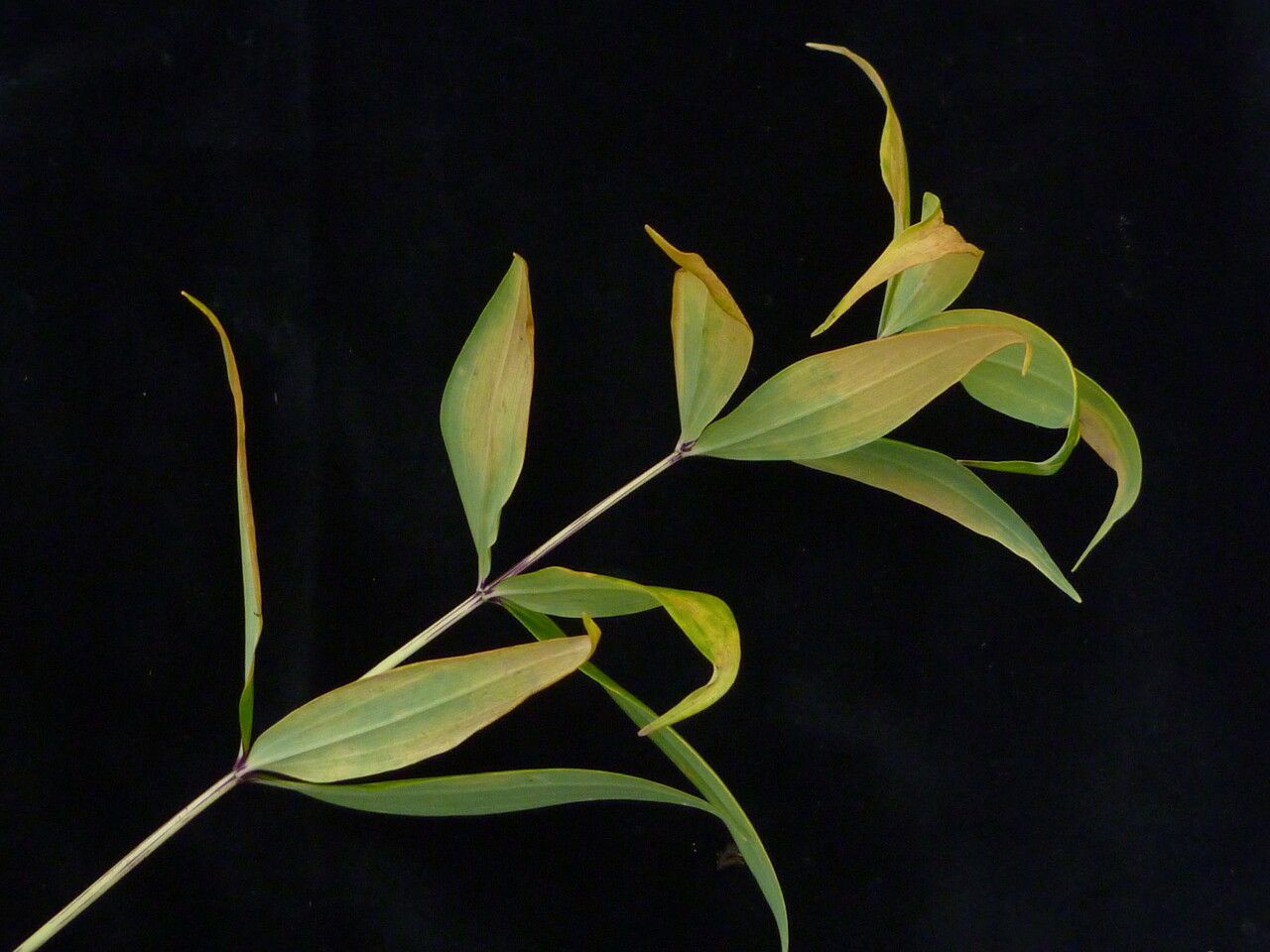
Hello fellow plant lovers! Today, we’re diving into the delightful world of Polygonatum singalilense, a truly magical plant that brings a touch of understated elegance to any shady corner of your garden. These elegant, arching stems adorned with delicate, pendulous white flowers are a sight to behold, especially in late spring. And the most rewarding part? You can easily share this beauty with friends, or simply expand your own collection, by propagating them! If you’re new to the gardening game, don’t fret. Polygonatum singalilense is a wonderfully approachable plant to propagate. With a little patience and a few simple steps, you’ll be creating new life in no time.
The Best Time to Start
For the highest success rate with Polygonatum singalilense, late spring to early summer is your sweet spot. This is when the plant is actively growing and has ample energy reserves. You’re looking for stems that have emerged and hardened off a bit, but before they start to mature too much. Think of it as catching them at their peak vitality.
Supplies You’ll Need
Gathering your tools beforehand makes the whole process much smoother. Here’s what I usually have on hand:
- Sharp pruning shears or a clean knife: For making clean cuts.
- A well-draining potting mix: A blend of peat moss, perlite, and compost works beautifully. You can also find specific orchid bark mixes that are excellent for rhizomatous plants.
- Small pots or trays: Clean, with drainage holes, of course!
- Rooting hormone powder (optional but helpful): Especially for stem cuttings.
- A spray bottle: For keeping things consistently moist.
- A watering can: For a gentler watering once established.
Propagation Methods
Polygonatum singalilense is most commonly and successfully propagated through division and stem cuttings. Let’s explore each.
Division: The Classic Approach
This is the most straightforward method for Polygonatum singalilense and is best done in early spring just as new growth is emerging, or in the fall after the foliage has yellowed.
- Gently unearth the plant: Carefully dig around the base of your Polygonatum, lifting the entire clump from the soil.
- Clean off excess soil: Gently rinse away as much soil as you can from the root ball. You’re looking for the rhizomes – these are the thick, fleshy underground stems.
- Identify natural breaks: Look for points where the rhizomes naturally divide. You should see buds (small, fleshy points) on each section.
- Separate the rhizomes: Using your hands or a clean knife, carefully snap or cut the rhizomes into sections, ensuring each piece has at least one bud and a good amount of roots. Don’t be afraid to give them a gentle tug; they usually separate where they’ve naturally formed.
- Replant immediately: Pot up each division into its own container with your well-draining potting mix, burying the rhizome just below the surface so the bud is pointing upwards and visible.
Stem Cuttings: For the Patient Gardener
This method takes a bit more time but can yield a good number of new plants.
- Select healthy shoots: Choose strong, non-flowering shoots that are about 4-6 inches long.
- Make the cut: Using your clean shears or knife, make a clean cut just below a leaf node (where a leaf attaches to the stem).
- Prepare the cutting: Remove the lower leaves, leaving just a couple at the top. This helps prevent rot. If you’re using rooting hormone, dip the cut end into it according to the product instructions.
- Plant the cutting: Insert the cut end into a pot filled with your well-draining potting mix. The leaf nodes you removed should be buried.
- Provide a humid environment: This is key! Cover the pot loosely with a clear plastic bag or place it in a propagation dome to maintain high humidity. Ensure the leaves do not touch the sides or top of the plastic, as this can encourage rot.
The “Secret Sauce” (Pro Tips)
Here are a couple of little tricks I’ve picked up that make a difference:
- Bottom heat for cuttings: If you’re doing stem cuttings, placing the pots on a gentle heat mat can significantly speed up root development. It mimics the warmth you’d find at the soil surface in spring. Just keep it on the lower setting!
- Don’t overwater the divisions: When you first divide and replant, give them a good watering, but then let them dry out slightly between waterings. Soggy conditions are the quickest way to invite rot. They need to establish roots before they can drink heavily.
Aftercare & Troubleshooting
Once your divisions are potted or your cuttings have developed roots (you’ll start to see new growth or feel resistance when gently tugging), it’s time for a little TLC.
- Gradual acclimatization: If your cuttings were in a humid dome, gradually expose them to open air over a week or two to prevent shock.
- Bright, indirect light: Keep your new plants in a spot that receives bright but indirect sunlight. Avoid harsh afternoon sun.
- Water consistently: Aim for soil that is consistently moist but not waterlogged. Water when the top inch of soil feels dry.
- Signs of rot: The most common sign of trouble is a mushy, browning stem or rhizome, often accompanied by a foul smell. This usually means too much moisture and not enough air circulation. If you spot it, gently remove the affected part and try to improve drainage and airflow.
A Encouraging Closing
Propagating Polygonatum singalilense is such a rewarding experience. It asks for a little patience, but the joy of watching new life emerge from divisions or cuttings is incomparable. Don’t get discouraged if every single one doesn’t take – that’s part of the learning process. Just enjoy the journey, celebrate your successes, and soon you’ll have a beautiful patch of these elegant plants to admire. Happy propagating!
Resource:
https://identify.plantnet.org/k-world-flora/species/Polygonatum%20singalilense%20H.Hara/data