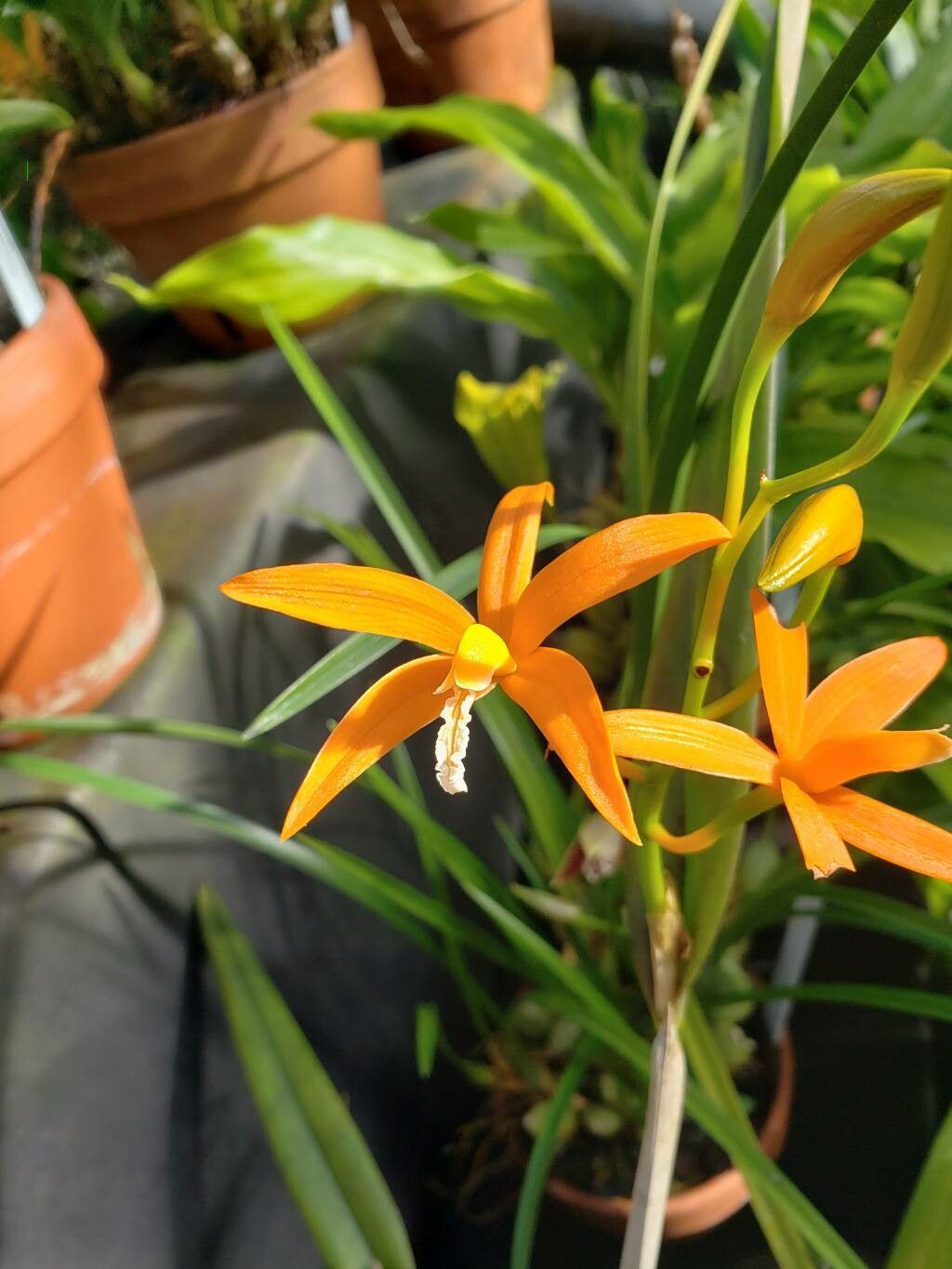
Oh, hello there! Come on in, grab a mug. Let’s chat about one of my absolute favorites: Cattleya harpophylla. I’ve been coaxing orchids to multiply for two decades now, and this one always brings a smile to my face.
Why You’ll Love Propagating Cattleya harpophylla
There’s something incredibly satisfying about taking a piece of a plant you love and watching it grow into a whole new life. Cattleya harpophylla, with its charming, airy flowers, is a gem. It’s not overly fussy once established, but propagating it? Well, I’d say it’s for the gardener who’s getting a little comfortable with their orchids. It’s not a walk in the park for absolute beginners, but with a bit of care and this guide, you’ll be well on your way.
When to Give It a Go: The Sweet Spot
For Cattleya harpophylla, the absolute best time to think about propagation is after it finishes flowering. You want to catch it when it’s gearing up for active growth. This usually happens in late spring or early summer in most climates. The plant has stored up energy from its blooming period and is ready to put that energy into new roots and shoots.
What You’ll Need to Get Started
Gathering your supplies is half the battle, isn’t it? Here’s what I always have on hand:
- Sharp, sterile pruning shears or a clean knife: Think razor sharp. We want clean cuts, no tearing.
- Orchid bark mix (fine grade): A good quality orchid mix that drains well is crucial. Something with a bit of sphagnum moss mixed in is often nice.
- Hormone rooting powder or gel: Not strictly essential, but it can give your cuttings an extra boost.
- Small pots or seedling trays: Ones with good drainage holes, of course!
- Distilled or rainwater: Tap water can be too harsh for delicate new roots.
- Spray bottle: For misting.
- Optional: A small heating mat: This can really help speed things along.
Bringing New Life into the World: Propagating Methods
For Cattleya harpophylla, division is our main game. This orchid tends to grow in clumps, and that’s what we want to work with.
- Examine Your Plant: Look at your established Cattleya harpophylla. You’ll see it has pseudobulbs, which are those swollen stems. You’re looking for a division that has at least two to three healthy pseudobulbs. More is better, but two is the minimum for a confident start.
- Gently Remove from Pot: Carefully slide the plant out of its pot. If it’s stuck, you might need to gently work a knife around the edge of the pot.
- Clean Off Old Medium: Gently brush away as much of the old potting mix as you can. This helps you see the rhizome (the woody stem that connects the pseudobulbs).
- Locate the Rhizome: The rhizome is where the magic happens. The pseudobulbs grow off from this.
- Make the Cut: Using your sterile, sharp tool, carefully cut between the pseudobulbs. You want to create a clean break. Be deliberate here; there’s no room for fumbling. If the rhizome is tough, you might need to work around it a bit. Try to keep the roots attached to each section as much as possible.
- Dust with Hormone (Optional): If you’ve got rooting hormone, dip the cut end of the rhizome into it. This can help prevent rot and encourage root growth.
- Pot Up Your New Babies: Pot each division into its own small pot. Make sure the pseudobulbs are sitting just above the surface of the new potting mix. You don’t want to bury them.
My “Secret Sauce” for Success
Over the years, I’ve learned a few tricks that make a real difference.
- Air is Your Friend: After dividing, let the cut surfaces dry out a bit for a day or two before potting. This helps callous over the wound and prevents rot. It feels counterintuitive, but trust me!
- Bottom Heat is a Game Changer: Setting your potted divisions on a heating mat set to about 70-75°F (21-24°C) significantly speeds up root development. It mimics the warmth they’d get from their native environment.
Caring for Your New Arrivals and What to Watch For
Once your new divisions are potted, they’ll need some gentle care.
- Watering: Water sparingly at first. You want the potting mix to be moist, but not soggy. Overwatering is the quickest way to kill a newly divided orchid. I usually wait a couple of days after potting before even the first light watering.
- Light: Place them in bright, indirect light. No direct sun, please!
- Humidity: They’ll appreciate a bit of humidity. A light misting from your spray bottle every few days can help.
- Troubleshooting: The biggest enemy here is rot. If you see a pseudobulb turning black and mushy, it’s likely rot. This usually means it was too wet. Unfortunately, if rot takes hold, that division is usually a goner. Keep an eye out for new root growth – that’s your signal that all is well!
Patience is a Gardener’s Virtue
Propagating orchids is an act of faith and a lesson in patience. Don’t get discouraged if it takes a little while for your new Cattleya harpophylla to show significant growth. Celebrate the small victories – a new root tip, a tiny new shoot. Enjoy the process of nurturing these lovely plants, and before you know it, you’ll have more beautiful blooms to admire! Happy growing!
Resource: