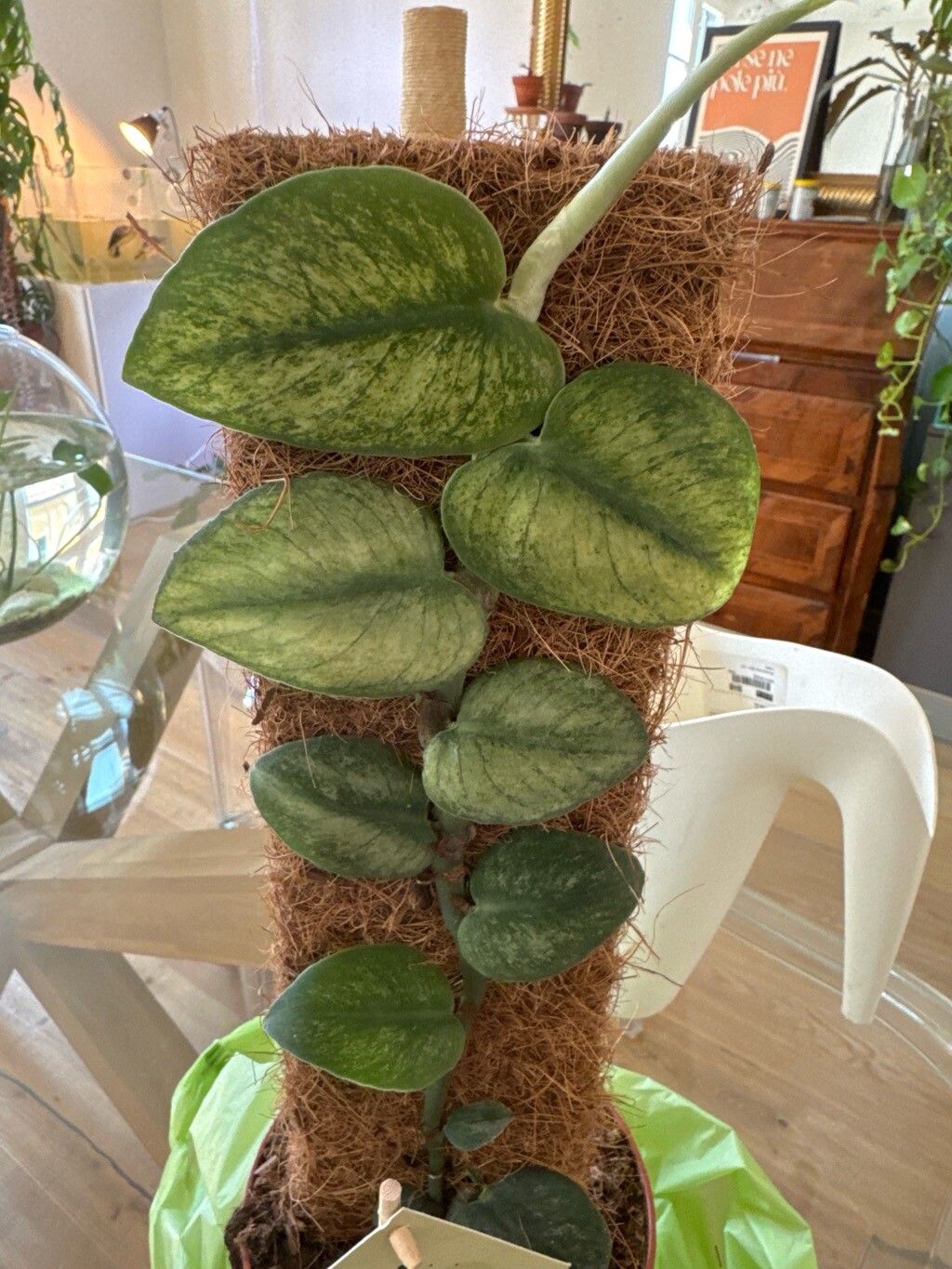
Oh, Monstera tuberculata! You know, there’s just something about those uniquely textured leaves that, well, they just sing to my plant-loving soul. If you’ve got one of these beauties gracing your home, you’re already on the path to a bit of botanical magic. And the best part? Sharing that magic by propagating a new one all your own is incredibly rewarding. Now, is it a walk in the park for a complete newbie? I’d say it’s moderately easy, with a few tricks that make all the difference. A little patience and a dash of know-how, and you’ll be well on your way!
The Best Time to Start
My favorite time to get propagation projects rolling is during the peak growing season, typically from late spring through summer. Your Monstera will be energized by longer days and warmer temperatures, meaning it’s really pushing out new growth and has plenty of steam to put into rooting. Starting when the plant is actively growing gives your cuttings the best chance to establish themselves quickly.
Supplies You’ll Need
Gathering your supplies upfront makes the whole process smoother. Here’s what I usually have on hand:
- Sharp Pruning Shears or a Clean Knife: For making clean cuts. Sterilize them with rubbing alcohol beforehand!
- Sphagnum Moss: My go-to for moisture-retention and aeration.
- Perlite: To improve drainage and prevent the mix from getting too soggy.
- Potting Mix: A well-draining blend. I often use a mix of equal parts potting soil, perlite, and orchid bark.
- Clear Plastic Bags or a Propagator: To create a humid environment.
- Rooting Hormone (Optional but Recommended): A little boost can speed things up.
- Small Pots or Jars: For your new babies.
- Mister Bottle: For keeping things moist.
Propagation Methods
My preferred method for Monstera tuberculata is stem cuttings. It’s straightforward and very effective.
- Identify Your Cutting Spot: Look for a healthy stem on your mature plant. You want a cutting that has at least one node (that little bump where a leaf emerges or will emerge). Ideally, choose a stem with at least two or three nodes and a healthy leaf.
- Make the Cut: Using your sterilized shears or knife, make a clean cut about an inch below the node. Be sure to include that node in your cutting.
- Prepare the Cutting: Gently remove any lower leaves that might fall below where you want the soil line to be. This prevents them from rotting. If your cutting has a aerial root (that little brown nub often found near the stem), that’s fantastic! It’s a sign your plant is ready to reach out.
- Rooting Hormone (If Using): Dip the cut end of your stem into rooting hormone powder, tapping off any excess.
- The Planting Process:
- In Sphagnum Moss: This is my absolute favorite for Monstera. Gently wrap the node of your cutting in dampened sphagnum moss. You want it moist, like a wrung-out sponge, not dripping wet.
- Securing the Moss: You can secure the moss ball with a bit of floral wire or place it inside a small Ziploc baggie, leaving the top open to allow for some air circulation.
- Setting it Up: Place this moss-filled cutting in a small pot or even just an ID-marked plastic bag and keep it in a warm, brightly lit spot but out of direct sunlight.
- In Soil: Alternatively, you can plant the cutting directly into your well-draining potting mix, ensuring the node is buried. Water gently.
The “Secret Sauce”
Here are a couple of things I’ve learned over the years that really give your propagation efforts a leg up:
- Don’t Let Lower Leaves Submerge: Whether you’re rooting in water or planting in soil, make sure no part of the leaf tissue is sitting in water or soggy soil. This is a prime spot for rot to set in, and your cutting will just give up.
- Bottom Heat is Your Friend: While not strictly necessary, placing your propagating cuttings on a gentle heat mat can significantly speed up root development. It mimics the warmth they’d get underground in their natural environment, encouraging them to stretch out. Just ensure the mat isn’t too hot – a gentle warmth is all you need.
Aftercare & Troubleshooting
Once your cutting is placed – be it in moss or soil – consistency is key.
- Misting: If your cutting is in sphagnum moss, mist it regularly to keep the moss damp. You don’t want it to dry out. If it’s in soil, water from the bottom when the top inch of soil feels dry.
- Humidity: The plastic bag or propagator you used will help maintain humidity. Open it daily for a few minutes to allow for air exchange.
- Patience is a Virtue: It can take anywhere from a few weeks to a couple of months to see significant root development. Gently tugging on the cutting is a good indicator; if there’s resistance, roots are forming! Once you see good root growth, you can pot it up into its own small pot in a well-draining soil mix.
Troubleshooting: The most common issue is rot. If you notice your cutting turning mushy, black, or developing fuzzy mold, it’s likely rotten. This usually happens due to too much moisture and poor air circulation. If you catch it early, you might be able to cut away the rotten parts and try again, but often, it’s best to start fresh. Yellowing leaves can also be a sign of stress, but sometimes they’re just shedding to put energy into new growth. Keep an eye on what’s happening overall.
A Little Encouragement
Watching a new plant emerge from a simple cutting is one of gardening’s greatest joys. Don’t get discouraged if your first attempt isn’t perfect. Every plant, and every cutting, is its own little journey. Take it slow, observe your developing roots, and celebrate each tiny milestone. Happy propagating!
Resource:
https://identify.plantnet.org/k-world-flora/species/Monstera%20tuberculata%20Lundell/data