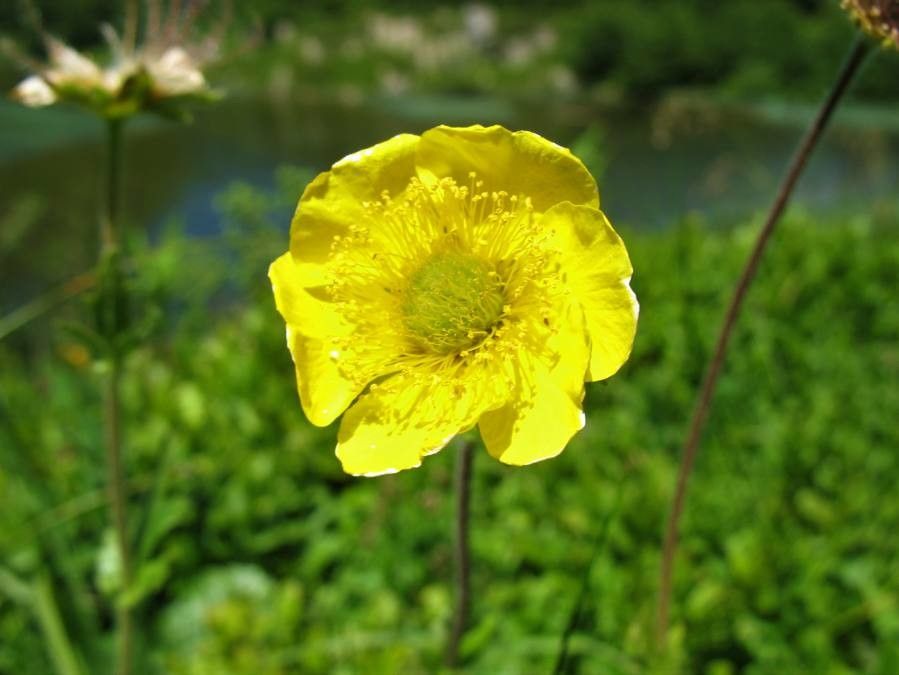
Hello fellow garden enthusiasts! Today, I want to chat about a plant that brings such cheerful color to our spring and summer borders: Geum montanum, often called Mountain Avens. These little beauties boast lovely, often bright orange or yellow, semi-double or double flowers that just sing of sunshine. And the best part? They’re surprisingly rewarding to propagate. If you’ve ever admired a clump of these in your garden or a friend’s, you’ll be happy to know that sharing them is well within your reach. For beginners, Geum montanum is quite forgiving, making it a fantastic plant to get your propagation feet wet with.
The Best Time to Start
Generally, the sweet spot for propagating Geum montanum is during its active growing season, usually late spring to early summer, after the plant has finished its initial flush of bloom. This gives the young cuttings or divisions plenty of time to establish before the heat of summer or the chill of autumn sets in. You can also sometimes get away with taking cuttings in early autumn, but spring propagation usually yields more robust new plants.
Supplies You’ll Need
Here’s what I like to have on hand when I’m propagating Geum:
- Sharp pruning shears or a clean knife: For making clean cuts.
- Small pots or seed trays: Cleaned thoroughly, of course!
- Well-draining potting mix: A good quality seed-starting mix or a blend of peat moss, perlite, and sand works wonderfully. I often add a bit of grit for extra aeration.
- Rooting hormone (optional but helpful): A powder or gel can speed up root development.
- Watering can or spray bottle: For gently moistening the soil.
- Plastic bags or a propagator: To create a humid environment.
- Labels and a marker: So you don’t forget what you planted where!
Propagation Methods
Geum montanum can be propagated through a couple of easy methods. I find division to be the most straightforward and reliable, but stem cuttings can also be very successful.
Division
This is my go-to method for mature Geum plants.
- Dig up your Geum: Gently lift the entire plant from its pot or the ground using a trowel or spade. Try to disturb the roots as little as possible, but don’t worry too much if some soil falls away.
- Identify the divisions: Look at the root ball. You’ll usually see several healthy clumps growing together. You can often see where new shoots are emerging.
- Separate the clumps: Gently tease apart the root ball with your hands. If it’s a bit stubborn, a clean spade or even a sharp knife can help you cut through thicker roots. Aim for divisions that have at least a few shoots and a good portion of healthy roots.
- Replant or pot up: Immediately replant your divisions in their new homes. If you’re potting them up, use your well-draining potting mix. Water them in well.
Stem Cuttings
This method is great for increasing your plant numbers without disturbing the parent plant too much.
- Take cuttings: In late spring or early summer, select a healthy, non-flowering shoot. Using your clean shears, cut a piece about 4-6 inches long, making the cut just below a leaf node (where a leaf joins the stem).
- Prepare the cuttings: Remove the lower leaves, leaving just one or two sets at the top. This helps prevent them from rotting in the soil. If your cuttings are long, you can even cut the remaining leaves in half to reduce water loss.
- Apply rooting hormone (optional): Dip the cut end of the stem into rooting hormone powder or gel, tapping off any excess.
- Plant the cuttings: Insert the cut end of each cutting into small pots filled with your pre-moistened potting mix. Make a hole with a pencil or your finger and gently firm the soil around the base of the cutting.
- Create humidity: Water gently. Then, cover the pots with a clear plastic bag or place them in a propagator. This creates a mini-greenhouse effect, keeping the humidity high, which is crucial for cuttings.
The “Secret Sauce” (Pro Tips)
You know, after years of coaxing plants to grow, I’ve picked up a few tricks that really seem to make a difference.
- Don’t be afraid to be a little ruthless with divisions. If a clump looks a bit weak or has very few roots, it might be better to combine it with another or discard it. Strong beginnings lead to stronger plants.
- Bottom heat is your friend for cuttings. If you have space, placing your potted cuttings on a gentle heat mat can significantly speed up root formation. It mimics the warmth of spring soil and gives those little roots a real boost.
- Patience is key with cuttings! It can take several weeks for new roots to form, and sometimes you won’t see much outward growth for a while. Resist the urge to constantly pull them out to check. A gentle tug will let you know if there’s resistance, indicating roots are developing.
Aftercare & Troubleshooting
Once your divisions are in the ground or your cuttings have rooted, it’s time for a little tender loving care.
- Watering: Keep the soil consistently moist but not waterlogged. This is especially important for cuttings. As they establish, you can gradually reduce watering frequency, but never let them dry out completely.
- Light: Place your new plants in a bright location out of direct, harsh sunlight. A spot with dappled shade is usually ideal.
- Rooted cuttings: When you see new top growth appearing on your cuttings, this is a good sign they’ve rooted. You can start to gradually acclimatize them to drier air by opening the bag or propagator vents a little each day for about a week before removing them entirely.
The most common issue you’ll encounter is rot, especially with cuttings. If you see stems turning mushy or black, it’s usually a sign of too much moisture and not enough air circulation. Make sure your soil drains well and consider adding a bit more perlite or grit. If a division looks like it’s wilting despite being watered, it might just be stressed from the transplant. Give it time, keep the soil consistently moist, and it should perk up.
A Encouraging Closing
Propagating Geum montanum is such a satisfying way to expand your garden and share the joy of these cheerful flowers. Don’t be discouraged if your first attempt isn’t perfect; every gardener learns as they go. Take your time, enjoy the process, and soon you’ll have more of these beautiful Mountain Avens to brighten your world! Happy gardening!
Resource:
https://identify.plantnet.org/k-world-flora/species/Geum%20montanum%20L./data